Theo Invests $20M in Fidelity Tokenized Fund: Crypto Milestone
Crypto platform Theo invested $20M in Fidelity's tokenized liquidity fund, signaling institutional adoption of blockchain-based Treasury products and onchain capital markets.
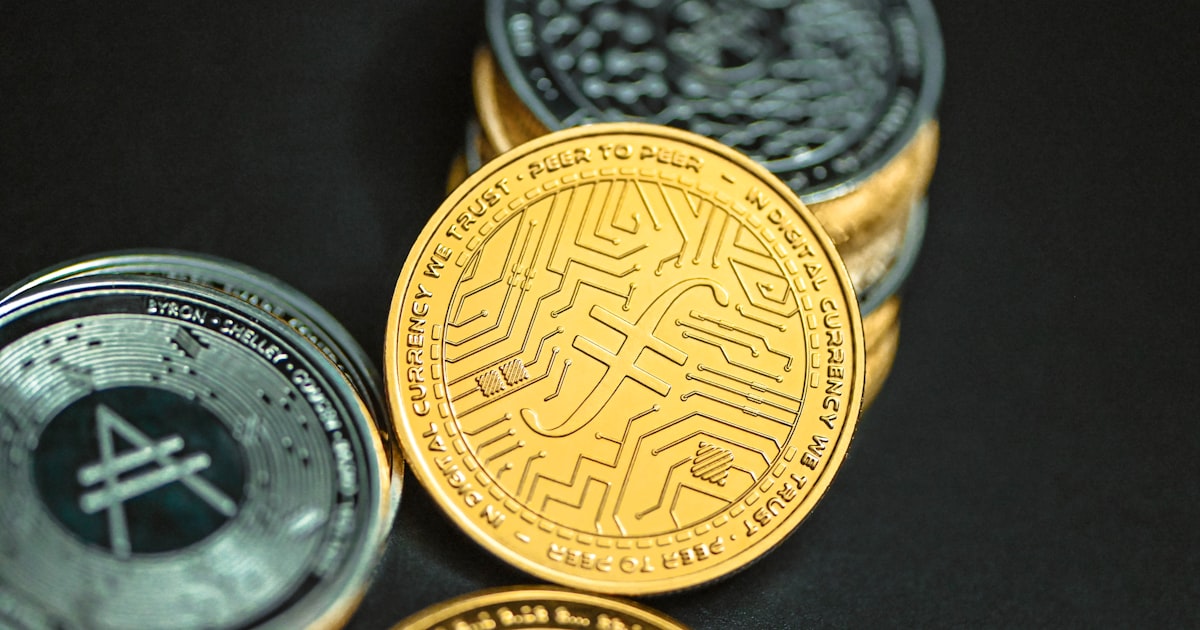
- 01Theo, a crypto-native platform, committed $20 million to Fidelity International's tokenized liquidity fund.
- 02This marks the first such investment from a crypto-native firm, expanding institutional acceptance of blockchain Treasury infrastructure.
- 03Tokenized funds on blockchain offer faster settlement and lower friction than traditional finance systems.
- 04Watch for more traditional financial firms to launch tokenized products as regulatory clarity improves.
A $20 Million Bet That Crypto Is Ready for Wall Street's Playbook
Theo just became the first crypto-native investment platform to put serious money into Fidelity International's tokenized liquidity fund. The amount? $20 million. According to CoinTelegraph, this single transaction signals something deeper: the gap between "crypto finance" and "traditional finance" is closing—and institutions are finally willing to bet on it.
So why does this matter to you?
If you own stocks, bonds, or have money in a 401(k), the plumbing underneath that system is about to change. Fidelity is one of the world's largest asset managers. When they launch a tokenized product and a crypto-native firm commits $20 million to it, that's not hype—that's institutional validation. It means the infrastructure for moving money on blockchain is becoming boring enough that serious money managers trust it.
Let's back up for a second. A tokenized fund works like this: instead of buying shares the old way (through brokers, settlement taking two days, paper trails everywhere), you own a digital token on a blockchain that represents your stake. Settlement happens in hours or minutes instead of days. There's less middlemen. Costs drop.
CoinTelegraph reported that this move represents "growing mainstream acceptance of onchain capital markets infrastructure." That phrase matters. For years, crypto was something finance professionals whispered about nervously. Now Fidelity International is building products around it, and platforms like Theo are writing nine-figure checks.
What This Means for the Broader Shift
The real question is: why now?
Regulatory clarity has improved. Stablecoin frameworks are taking shape in major jurisdictions. And frankly, the economics are too good to ignore. Tokenized Treasury products cut settlement friction, reduce counterparty risk, and open capital markets to 24/7 trading instead of the 9-to-4 wall that exists today.
But here's what catches attention: Theo is specifically described as "crypto-native," which means it wasn't born in traditional finance and then borrowed crypto language. It was built on blockchain principles from day one. For that firm to move $20 million into a Fidelity product is the inverse of what we've been watching. It's not a bank trying to co-opt blockchain. It's blockchain infrastructure attracting traditional institutional capital.
And then it got bigger.
This milestone opens a door. If Fidelity can attract crypto-native capital, other major asset managers won't be far behind. BlackRock. Vanguard. State Street. All of them have tokenization labs running right now. They're watching Fidelity's move closely.
What Investors Should Actually Pay Attention To
If you're considering exposure to this trend, watch three things. First, regulatory developments—specifically stablecoin legislation in the U.S. and the EU's Markets in Crypto Regulation (MiCA). Second, which other crypto-native platforms follow Theo into tokenized products. Third, performance and adoption metrics on Fidelity's fund itself. If assets grow and redemptions stay low, you'll see a cascade of copycat products.
The cybersecurity angle matters too, though it's worth noting that tokenized funds inherit blockchain's cryptographic security rather than relying solely on institutional cyber defenses. Fidelity's cyber security infrastructure will still matter for platform access and custody, but the token mechanism itself distributes risk differently than traditional systems.
This $20 million check isn't the story of crypto winning or Wall Street surrendering. It's the story of both sides finally agreeing that tokenized finance works—and that makes it worth money.