Samsung Wallet Adds Stablecoin Support in 2026
Samsung Electronics expands Samsung Wallet to support stablecoins, marking major tech company adoption of crypto payments infrastructure for mainstream use.
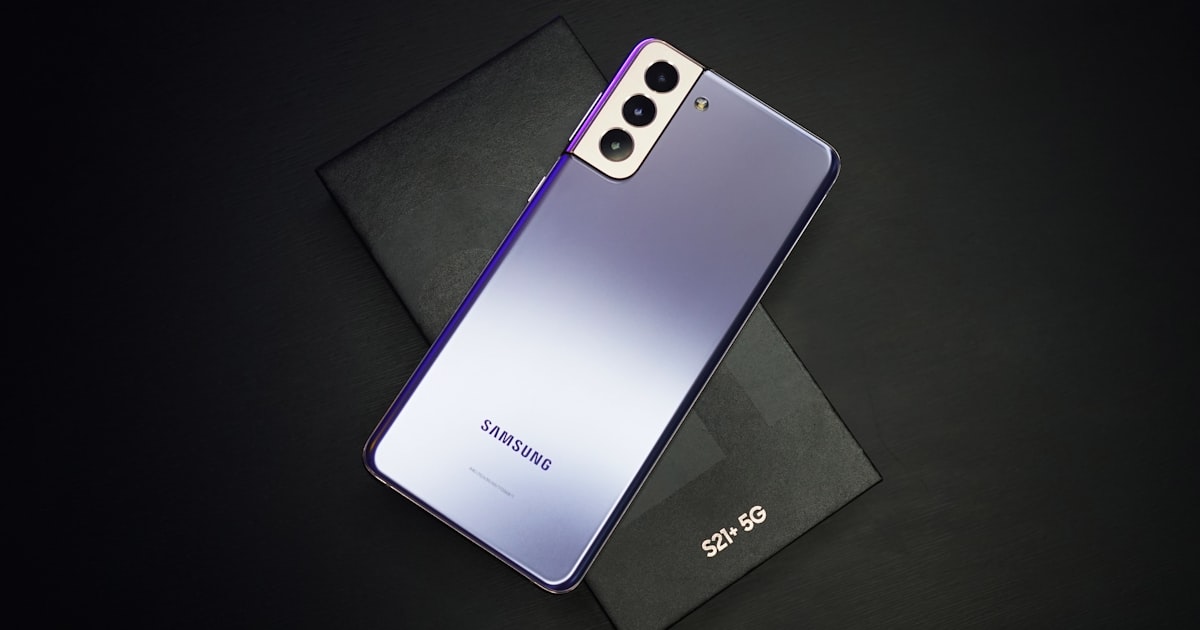
- 01Samsung is integrating stablecoin support into Samsung Wallet as part of a broader digital payments strategy.
- 02This move signals institutional acceptance of cryptocurrency infrastructure by one of the world's largest consumer electronics makers.
- 03Stablecoin adoption by major tech platforms could accelerate mainstream cryptocurrency payment adoption among billions of device users.
- 04The announcement raises questions about how quickly legacy payment systems will compete with blockchain-based alternatives.
Samsung Embraces Stablecoins: What a Trillion-Dollar Tech Giant's Crypto Bet Means for You
Samsung Electronics is bringing stablecoin payments into Samsung Wallet. According to CoinTelegraph, the South Korean tech giant is expanding its digital payments infrastructure to support stablecoins—blockchain-based tokens pegged to fiat currencies like the U.S. dollar. It's a significant move.
Why does this matter? Because Samsung doesn't move lightly on financial infrastructure. The company ships over 60 million smartphones annually, and Samsung Wallet already handles contactless payments for a substantial portion of its user base. When a company of that scale integrates cryptocurrency rails into its core payment product, it doesn't just affect Samsung users—it signals to the entire financial services industry that the infrastructure has matured enough for mainstream trust.
CoinTelegraph reported this as part of Samsung's broader digital payments expansion strategy. But calling it merely an "expansion" misses the real story.
This isn't a cautious pilot program in one market.
This is institutional adoption disguised as a product feature. Samsung isn't creating a crypto wallet as a novelty. It's embedding stablecoin settlement directly into the payment rails millions of people already use daily. That's different from what we've seen from other tech companies dabbling in blockchain.
The practical implications are worth unpacking. Stablecoins eliminate volatility—the core reason most merchants and consumers have avoided cryptocurrency payments. If you're buying coffee and the price swings 15% while your transaction confirms, that's catastrophic for retail. Stablecoins solve that. And when Samsung ties them to a consumer wallet, suddenly there's no friction. No downloading a separate app. No explaining blockchain to your grandmother. Just another payment method alongside credit cards.
For investors watching fintech valuations, this should trigger a specific question: which legacy payment processors see this coming?
Square, PayPal, even traditional payment networks like Visa and Mastercard have been watching cryptocurrency adoption with something between skepticism and anxiety. Samsung's move doesn't directly threaten them tomorrow. But it does prove the technical and regulatory pathway exists. If Samsung succeeds at scale—and given their manufacturing expertise and ecosystem, they're better-positioned than most to execute—competitors will face pressure to match.
The second-order effect matters more. Once stablecoins flow through major consumer devices, they become a genuine alternative to existing payment infrastructure. That creates options. And options erode monopolies. The incumbent payment processors that charge 2-3% per transaction suddenly have reason to worry about a blockchain-based competitor taking 0.1%.
There's also the consumer side. CoinTelegraph's reporting frames this as Samsung's strategy, but read between the lines: this is consumer demand surfacing. Millions of people already hold cryptocurrency assets. They're tired of cashing out to fiat just to spend it. Samsung is solving a real problem for a real constituency, even if that constituency is still relatively small.
What remains unclear is speed of rollout and which markets get priority. Samsung's track record on global product launches is solid, but payments infrastructure varies wildly by jurisdiction. Regulatory arbitrage could mean stablecoins appear in more crypto-friendly regions first—Singapore, perhaps, or parts of Europe—before reaching the U.S.
The announcement doesn't tell us whether Samsung is building its own stablecoin or integrating existing ones like USDC or USDT. That distinction matters enormously for which cryptocurrency projects benefit and which regulatory scrutiny arrives. Until Samsung clarifies, investors betting on specific stablecoin protocols should stay cautious.
One thing's certain: a $1.3 trillion market-cap company doesn't integrate cryptocurrency infrastructure lightly. Samsung just raised the stakes for everyone watching digital payments evolve.