Polish Crypto Exchange Kanga Gets MiCA License in Latvia
Kanga secures MiCA license in Latvia, marking a regulatory win for Polish crypto exchanges. Here's what it means for EU-wide crypto services and investors.
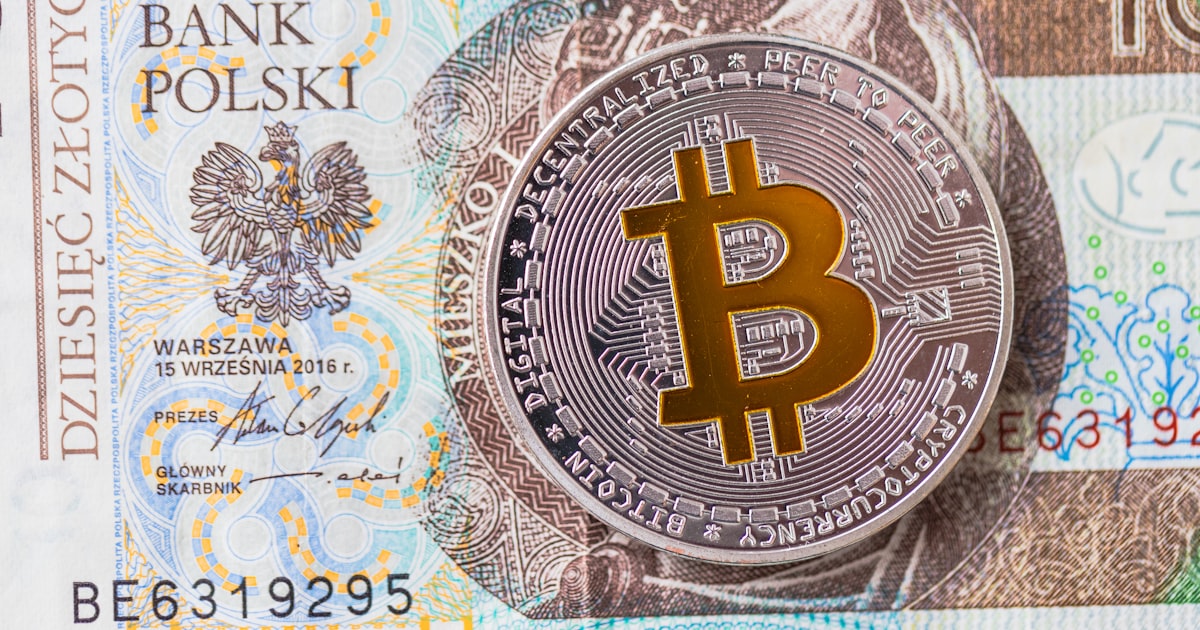
- 01Polish exchange Kanga obtained a MiCA license in Latvia, enabling EU-wide cryptocurrency services.
- 02MiCA compliance is reshaping European crypto regulation ahead of full implementation deadlines across member states.
- 03This milestone signals growing regulatory clarity for exchanges navigating Europe's stringent crypto framework.
- 04Investors should watch how other regional exchanges follow suit and what this means for market consolidation.
Polish Crypto Exchange Kanga Clears Major EU Regulatory Hurdle
One crypto exchange just cleared a gate that others are still sprinting toward. According to CoinTelegraph, Kanga—a Polish-based cryptocurrency platform—has secured a MiCA license in Latvia. That's not a small thing. It's the kind of regulatory win that transforms how an exchange operates across an entire continent.
So what's MiCA, and why should anyone outside the crypto industry care?
The Markets in Crypto-Assets Regulation (MiCA) is the European Union's comprehensive rulebook for digital asset activity. It's strict. It requires exchanges to prove they've got proper capital reserves, cybersecurity frameworks, and transparent operations. Once an exchange has MiCA approval, it can legally offer services across all EU member states—no need to get licensed separately in Germany, France, Spain, or anywhere else. That's the power play here.
CoinTelegraph reported that Kanga's license represents a notable regulatory milestone as European exchanges navigate MiCA compliance ahead of implementation deadlines across member states. Translation: Kanga moved fast. While competitors are still building compliance infrastructure, Kanga is already operating under Europe's toughest crypto rulebook.
Here's why this matters to investors and everyday people alike.
If you hold cryptocurrency on a European exchange, you want to know it's regulated. You want to know the platform has been vetted. MiCA-licensed exchanges have jumped through hoops—they've documented their systems, proven their financial stability, and submitted to regular oversight. Frankly, that reduces your risk of waking up to find your exchange has vanished or been hacked without recourse.
For competitive positioning, Kanga now has a first-mover advantage in the regulatory game.
Exchanges that secure MiCA licenses early can market themselves as compliant while others are still scrambling. They attract institutional investors who won't touch unregulated platforms. They build trust. And they set the tone for how the industry will look in 2027 and beyond, once full MiCA enforcement tightens the screws on any operator that hasn't yet fallen in line.
But there's a catch. Compliance costs money—legal fees, technology upgrades, ongoing audits. Smaller regional exchanges might struggle to afford the same infrastructure that a well-funded player like Kanga can deploy. That could push consolidation: weaker platforms either disappear or get absorbed by stronger ones.
The broader European crypto sector is watching closely.
MiCA wasn't designed by people who think crypto is a Wild West playground. EU regulators built this framework to catch fraud, money laundering, and systemic risk. It's more restrictive than what exists in places like the United States or Asia. Some exchanges will find MiCA compliance so onerous they'll simply exit the EU market. Others will double down, bet on European growth, and build for the long term.
Kanga's move signals confidence in that long-term bet. It's saying the Polish exchange believes Europe is a market worth winning, not a market to avoid.
Watch for two things in the months ahead: First, how many other exchanges follow Kanga's path and seek MiCA licenses before deadlines hit. Second, whether MiCA-licensed platforms start pulling volume away from unregulated competitors. If the answer is yes on both counts, you're watching the professionalization of European crypto in real time.