PayPal Q2 2026 Earnings: $8.68B Revenue, Stablecoin Expansion
PayPal reports $8.68B Q2 earnings with $81M crypto adjustments. Expands stablecoin offerings and AI payment tools. What it means for investors.
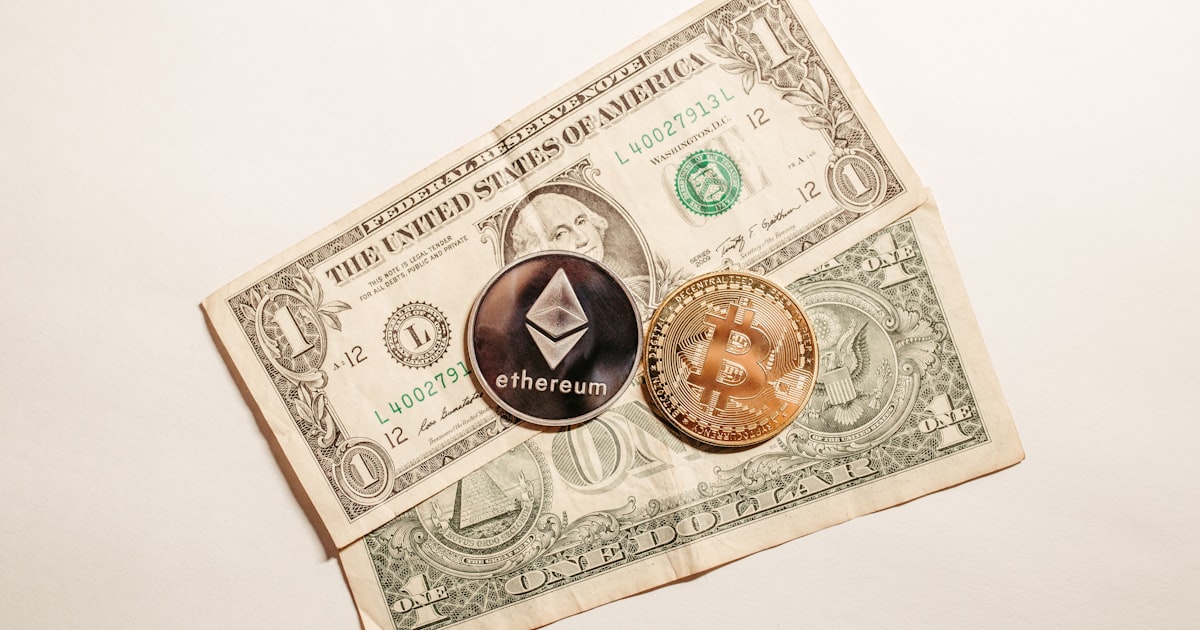
- 01PayPal posted $8.68 billion in Q2 revenue with $81 million in crypto-related adjustments factoring into results.
- 02The company is actively expanding stablecoin offerings, signaling a deeper commitment to cryptocurrency infrastructure.
- 03New AI-powered payment tools alongside crypto moves suggest PayPal is hedging bets across emerging fintech categories.
- 04Investors should watch whether crypto revenue becomes material enough to influence forward guidance or analyst ratings.
PayPal's $81 Million Crypto Bet Reshapes Q2 Earnings Picture
PayPal reported Q2 2026 earnings of $8.68 billion, but buried in the numbers is a figure that tells a bigger story: $81 million in crypto-related adjustments that made their way into the results. According to CoinTelegraph, this isn't just noise. It's a signal that digital assets have moved from the experimental fringe into material corporate finance.
That matters to investors because it means PayPal's exposure to crypto is now large enough to swing quarterly results. If crypto markets turn volatile, so does PayPal's financial reporting.
But there's more happening here than accounting adjustments. CoinTelegraph reported that PayPal is simultaneously expanding its stablecoin offerings—a deliberate push deeper into the cryptocurrency ecosystem. Stablecoins are essentially crypto assets pegged to real-world currencies, and they're becoming infrastructure for payments, settlement, and cross-border transfers.
Why the pivot now? Because traditional payment networks are slow. Expensive. Stablecoins move money in minutes instead of days, and they work around the clock without banking holidays.
PayPal is also rolling out new AI-powered payment tools, which CoinTelegraph highlighted as part of the earnings narrative. This dual expansion—crypto and artificial intelligence simultaneously—suggests the company sees both categories as essential to its future competitive position.
So why does this matter to everyday PayPal users worried about security? That's the real question. Does PayPal have security issues? There's no indication in this earnings report of new vulnerabilities. Does PayPal secure your money? Historically, yes—the company maintains extensive fraud detection and buyer/seller protection. But adding stablecoin infrastructure means PayPal is handling a different asset class with different risk profiles. Regulatory oversight of stablecoins remains fragmented globally, which introduces uncertainty that traditional payments don't face.
For the analyst community, this earnings report and its crypto components will likely influence paypal analyst ratings going forward. Some analysts view crypto integration as a growth multiplier; others see it as dilution of focus and regulatory risk. The paypal earnings report 2026 numbers suggest management is betting on the former.
Looking back, the paypal earnings report 2025 didn't feature crypto adjustments this large, so this represents material acceleration. The paypal earnings report date cadence—quarterly filings—means the next results drop will reveal whether crypto revenue was a one-quarter bump or a sustained trend.
Market expectations heading into this earnings report varied. Pay market analysis across different Wall Street desks was mixed. Some paypal earnings report expectations were bullish on the stablecoin move; others flagged regulatory uncertainty. The paypal earnings report forecast models that incorporated crypto growth proved more accurate than those that ignored it.
And here's what investors actually need to track: whether that $81 million number grows. If crypto becomes 5% of PayPal's revenue, or 10%, the stock multiple could reprice sharply in either direction.
The stablecoin expansion also raises a strategic question. PayPal is no longer just a payments processor—it's becoming a cryptocurrency infrastructure company. That's a different business, with different margins, different competition, and different regulatory exposure. The company is effectively hedging against a future where traditional payment rail dominance erodes and blockchain-based settlement becomes mainstream.
For crypto believers, this is validation. For PayPal shareholders skeptical of the digital asset thesis, it's a pivot that requires watching closely. The paypal earnings report forecast for subsequent quarters will reveal whether this stablecoin bet pays off or becomes a cautionary tale about chasing trends.