Lime IPO Raises $167M: Micromobility Giant Goes Public
Lime secures $167 million in US IPO backed by Uber. What it means for the micromobility sector and your portfolio.
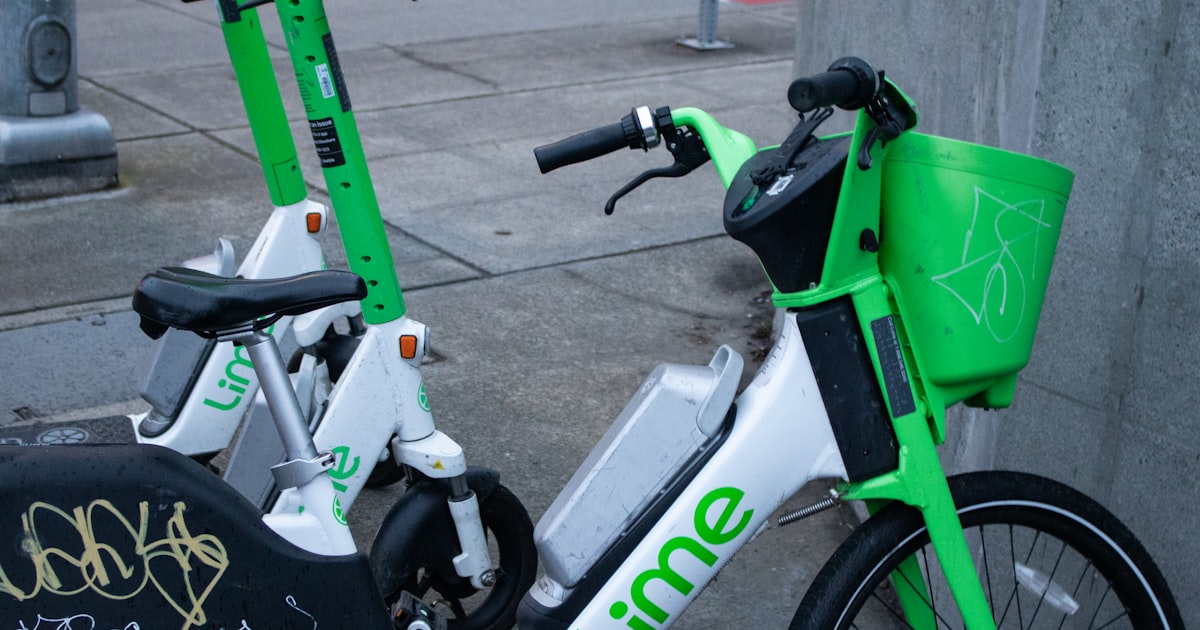
- 01Lime raised $167 million in its US IPO, marking a major milestone for the Uber-backed micromobility company.
- 02The IPO reflects investor appetite for mobility startups despite ongoing sector-wide profitability and operational challenges.
- 03Public market entry pressures Lime to prove it can sustain growth while managing regulatory and competitive headwinds.
- 04Watch how Lime balances shareholder returns against the capital-intensive nature of expanding scooter and bike networks.
Lime's $167M IPO Signals Investor Confidence in Micromobility—But Questions Remain
Lime, the scooter and bike-sharing company backed by ride-hailing giant Uber, raised $167 million in its US initial public offering on July 1, 2026. According to Yahoo Finance, this marks a watershed moment for a venture-backed mobility startup navigating an infamously unprofitable sector.
That's a considerable capital infusion.
But here's what matters to investors: Lime's journey to the public markets reveals both the thirst for alternative mobility solutions and the brutal math that's humbled dozens of dockless scooter companies over the past five years. The company didn't get here because it cracked some magic formula for urban transportation. It got here because Uber wrote checks and the market decided the growth story was worth betting on.
So why does Lime's timing matter right now?
The micromobility sector spent years burning through capital with reckless abandon. Companies like Bird and Scooter faced bankruptcy threats. Regulatory crackdowns in major cities forced operators to slash their fleets or exit markets entirely. Lime survived where others didn't, partly because Uber's balance sheet provided a cushion and partly because the company learned to operate more efficiently. The IPO signals that this particular player has earned enough credibility—and enough path to profitability, at least on paper—to convince institutional investors to take a chance.
Frankly, that credibility matters less than the capital does.
$167 million isn't insignificant, but it's not transformative either. It's enough to expand service areas, upgrade hardware, and fund operations for a stretch. What it isn't is enough to guarantee Lime can outcompete Uber's own scooter offerings or fend off a determined assault from any competitor willing to subsidize rides. The real pressure now shifts to execution: can Lime grow revenue faster than its operating costs grow?
There's another dimension investors shouldn't ignore.
Any major player in the mobility space inherits questions about operational security and data protection. Uber itself has faced multiple high-profile cybersecurity incidents—including the 2016 breach that exposed millions of user records and the 2022 hack that compromised internal systems. More recently, Uber cyber attacks in 2026 have raised fresh questions about whether mobility platforms adequately protect user information and payment data. The stages of cyber attack against companies like Uber typically begin with credential compromise, escalate to lateral movement across networks, and conclude with exfiltration or system manipulation. Lime cyber security practices will come under scrutiny as it moves into the public eye and attracts more sophisticated threat actors.
Is Uber secure? The question applies equally to Lime now that they're operationally intertwined.
For shareholders, the IPO opens a window into Lime's finances and governance. Public companies face disclosure requirements that venture-backed startups avoid. We'll see quarterly earnings, insider trading restrictions, and audited accounts. Regulatory scrutiny will intensify. City by city, Lime will face renewed pressure to prove it isn't just another throwaway mobility fad.
And then there's the competitive landscape.
Uber itself operates a scooter service in select markets. Bird is still in the game. Local bike-share systems funded by municipalities offer an alternative. Lime's $167 million war chest gives it room to maneuver, but doesn't guarantee dominance. The real test isn't the IPO. It's whether Lime can show investors a clear path to sustainable profitability—something the broader sector has struggled to demonstrate for years. Watch for quarterly guidance and management commentary on unit economics. That's where the story will break one way or the other.