Ethena USDe Payments App Launches With 6% Rewards
Ethena launches self-custodial USDe payments app with up to 6% annualized rewards. Explore what this stablecoin expansion means for crypto users and investors.
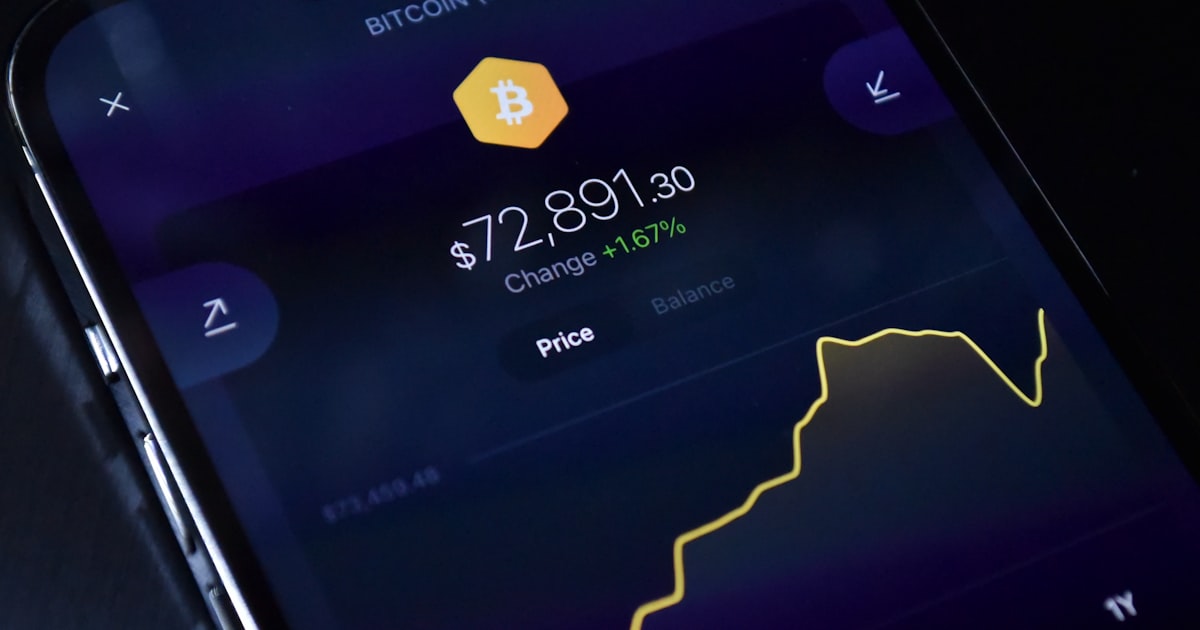
- 01Ethena rolled out a new self-custodial payments app for USDe stablecoin offering up to 6% annualized rewards.
- 02The app enables everyday payments, savings accounts, and cross-border transfers without intermediaries holding your funds.
- 03This product expansion signals growing competition in crypto payments and stablecoin adoption beyond trading.
- 04Investors should watch whether the 6% yield remains competitive as other protocols launch similar products.
Ethena's New Payments App Could Change How Crypto Users Move Money
Ethena just launched a self-custodial payments application for its USDe stablecoin, according to CoinTelegraph, offering users up to 6% annualized rewards on their holdings. That 6% figure matters more than it sounds at first.
Here's why: most traditional savings accounts pay under 0.5%. Even high-yield savings accounts struggle to hit 4.5% in 2026. So Ethena's offer sits squarely in the territory where everyday people might actually sit up and pay attention.
The real question is whether this product works as advertised—and whether it sticks around.
According to CoinTelegraph, the app functions as a self-custodial wallet, meaning you hold the private keys. You're not trusting Ethena (or any bank) to safeguard your money. You can use USDe for everyday payments, park it as savings earning that 6% yield, and execute cross-border transfers without waiting for traditional banking rails to settle transactions over days.
Self-custody is the blockchain promise that keeps crashing into reality.
If you lose your seed phrase, nobody recovers your funds. If you send money to the wrong address, it's gone forever. Ethena's bet is that enough users will tolerate this friction in exchange for higher yields and no middleman taking a cut.
So why does this product launch matter to investors holding ethena crypto or watching ethena coin price movements? Three reasons.
First, it's a direct bet on stablecoin adoption beyond trading. Most people interact with stablecoins only to buy volatile assets or exit to cash. An actual payments app suggests Ethena believes USDe can function as everyday money—not just a trading pair. If that thesis holds, demand for USDe tokens could expand dramatically, which typically supports ethena coin price appreciation over time.
Second, it's competitive pressure on every other stablecoin protocol.
Circle (USD Coin), Tether (USDT), and others now face a direct challenge: match the 6% yield or lose users who are tired of earning nothing on their holdings. That's a margin squeeze for the entire sector. Watch ethena crypto price charts closely if competitors announce similar yields—that's when you'll see who has sustainable unit economics.
Third, this is a vulnerability test in real time. Security incidents at payments apps destroy trust faster than almost anything else. The athena cyber attack earlier this year showed how quickly blockchain companies can be compromised if infrastructure isn't hardened properly. Ethena's claiming self-custody solves this (your keys, your problem), but the app itself is a new surface area. Monitor ethena coin price prediction models if there's any reported security incident—they tend to crater.
For investors trying to forecast ethena crypto price prediction, the fundamental question is yield sustainability. Where does that 6% come from? Typically, stablecoin protocols generate yield by investing reserves in treasuries, lending protocols, or other low-risk instruments. If interest rates drop sharply or the crypto market seizes, those returns evaporate. Then Ethena has to either cut rewards or subsidize them from treasury—neither scenario is bullish long-term.
And then there's regulatory risk.
A payments app offering yield on deposits is, functionally, a bank. Regulators aren't sleeping on this. The SEC and CFTC could decide USDe requires banking licenses, stablecoin issuance permits, or other friction that makes the 6% economic case collapse overnight. That's already priced into ethena crypto price charts to some degree, but it's worth monitoring regulatory filings.
If you're tracking ethena coin price in INR or any other currency, here's what to watch: user growth on the app, total value locked (TVL) in rewards, and any announcements about yield changes. Those metrics will signal whether this is a sustainable play or a marketing gimmick designed to attract users before reality hits.
The blockchain space is full of beautiful demos that die in production. Ethena's just bet its reputation on executing at scale.