CBOE Launches S&P 500 Prediction Market Contracts
CBOE debuts binary options prediction market tied to S&P 500 index. What it means for derivatives trading, institutional adoption, and your portfolio exposure.
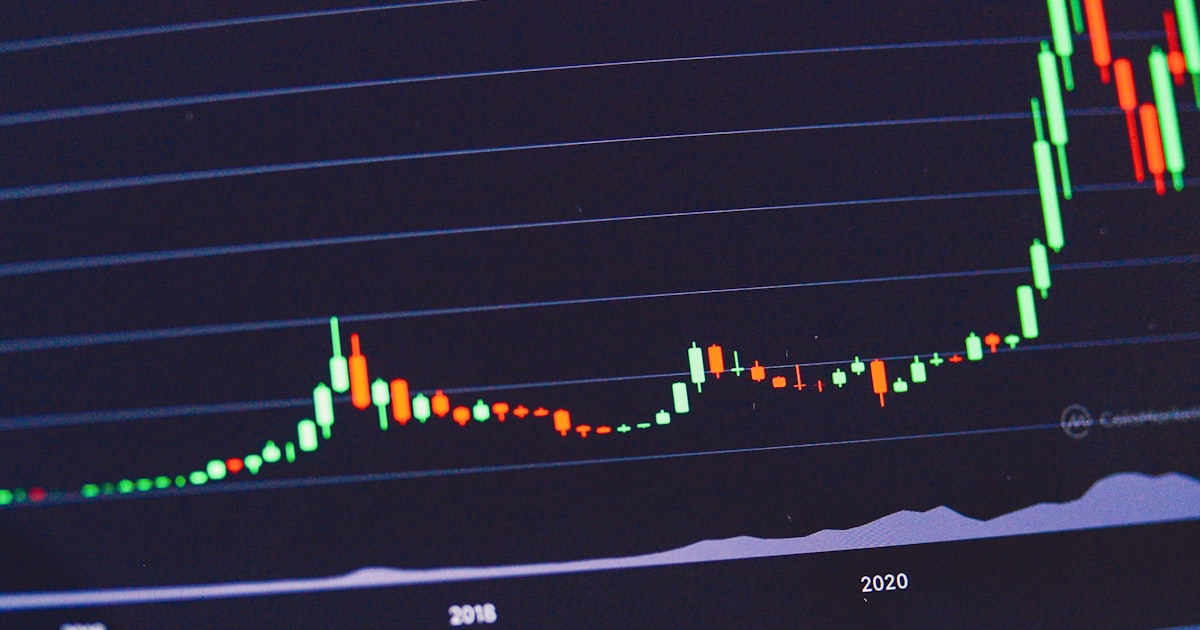
- 01CBOE launched a new prediction market product using binary options contracts tied directly to the S&P 500 index.
- 02This move signals institutional embrace of prediction markets as a legitimate derivatives infrastructure, not a niche retail product.
- 03The product targets growing investor demand for alternative hedging and speculation vehicles beyond traditional options and futures.
- 04Success here could reshape how CBOE captures market share and influence its next quarterly earnings reports and stock valuation.
CBOE Bets on Prediction Markets With S&P 500 Launch
The Chicago Board Options Exchange just made a strategic bet that prediction markets aren't a speculative sideshow anymore. According to CoinTelegraph, CBOE launched binary options contracts tied to the S&P 500 index, effectively opening an entirely new product category within its derivatives ecosystem. That's not a tweak to an existing offering—it's infrastructure.
Why does this matter? Because when the world's largest options exchange formally embraces prediction markets, it signals something has shifted in how institutional capital views these instruments. They've stopped being fringe.
Binary options are brutally simple: you bet on whether an outcome happens or doesn't. S&P 500 above 5,500 at close on a given date? Yes or no. Win or lose. No middle ground. CoinTelegraph reported the move reflects "growing investor demand," but that's the wire-speak version. What it really means is that hedge funds, family offices, and institutional traders have been demanding this product, and CBOE recognized an opportunity to capture that flow before competitors move in.
Look at the competitive context. Traditional options and futures have been CBOE's bread and butter for decades. They've dominated the market summary and remain the foundation of the quarterly report earnings story. But the derivatives landscape has fractured. You've got crypto prediction markets running on blockchain. You've got decentralized exchanges offering structures that don't require SEC approval (at least not yet). CBOE's move here isn't defensive—it's offensive.
So what's the real significance?
Institutional adoption of prediction markets fundamentally changes how money gets allocated during uncertainty. Elections. Fed decisions. Corporate earnings. Instead of burying a hedge inside a complex options collar or VIX futures position, traders can now lay a direct binary bet on a major index milestone through a regulated, CBOE-cleared product. That's simpler. That's cheaper to execute. That's attractive to institutions managing hundreds of millions.
The CBOE earnings date and quarterly report over the next cycle will be worth watching. Will trading volume on this product show up as a meaningful contributor to total volume? Or will it cannibalize existing options and futures contracts? That's the internal tension CBOE faces. They're competing against themselves. And frankly, if the binary options contracts pull volume away from higher-margin products, the earnings call will get uncomfortable questions from investors concerned about revenue mix.
There's also the market summary angle. The S&P 500 is the single most-tracked equity index globally. Tying a prediction market instrument directly to it gives retail and institutional traders a low-barrier entry point to structured betting on broad market direction. It's not as nuanced as buying individual calls or puts. It's not as flexible as an index spread. But it's transparent, it's binary—no ambiguity—and CBOE's clearing infrastructure eliminates counterparty risk that plagues unregulated prediction platforms.
One thing worth monitoring: regulatory arbitrage. The SEC has been cautious about binary options for retail investors, historically viewing them as risky and prone to manipulation. But an institutional product cleared through CBOE with transparent pricing? That clears a different regulatory bar. This product probably won't be accessible to your average retail trader, at least not in the same way a standard options contract is. That protects CBOE from retail-focused pushback while still capturing the institutional demand CoinTelegraph highlighted.
The real question is whether this signals a broader pivot at CBOE toward alternative derivatives structures. If prediction markets on S&P 500 work, what's next? Individual stocks? Economic data points? This could be the first domino in a much larger shift in how CBOE thinks about its product suite and where future revenue growth lives.
Watch the next earnings release and global markets stock price reaction. If institutional volumes are material, CBOE's competitive moat just got taller.