Bitcoin Rebounds to $66K on US-Iran De-escalation
Bitcoin price climbs above $66K as US stocks rally following Iran tensions pause. What geopolitical risk means for crypto investors and security threats ahead.
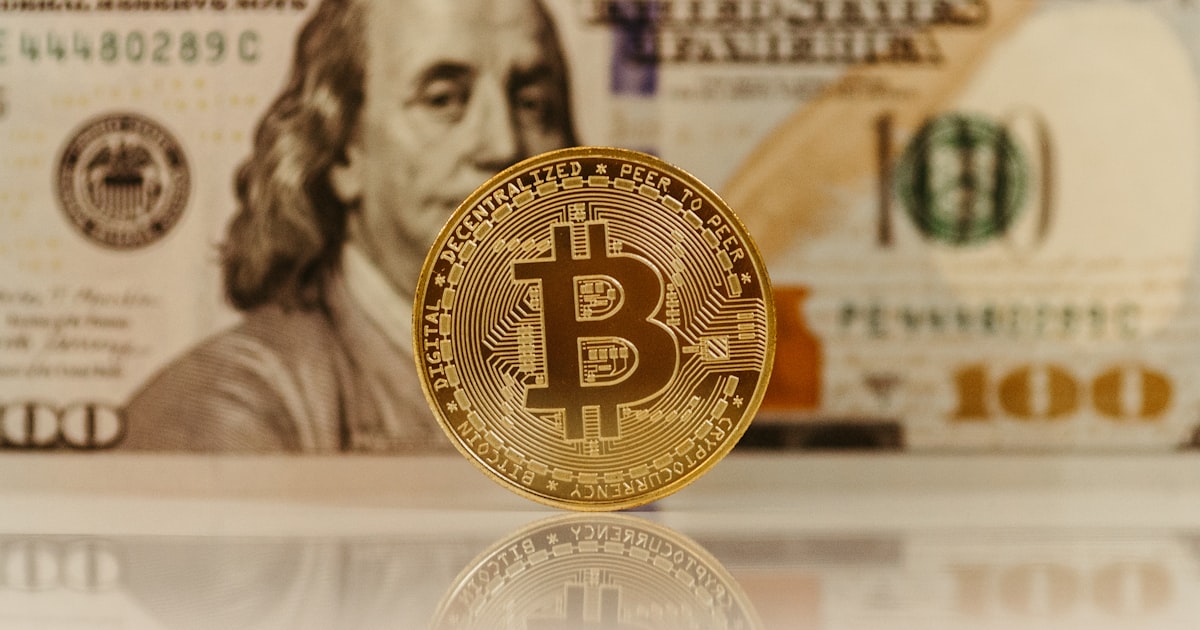
- 01Bitcoin bounced above $66,000 following reduced US-Iran geopolitical tensions and US stock market gains.
- 02Risk assets rally when uncertainty drops—investors shift money from safe havens into crypto and equities.
- 03Growing quantum computing and cybercrime threats pose emerging vulnerabilities to Bitcoin's long-term security model.
- 04Watch Bitcoin earnings reports and core protocol updates closely; security patches matter more than price swings.
Bitcoin Climbs Above $66K as Geopolitical Risk Eases
Bitcoin's price broke above $66,000 this week, according to CoinTelegraph, riding a wave of optimism tied to one simple fact: the US and Iran stepped back from the brink. When geopolitical tension deflates, money moves. Investors who'd been playing it safe in bonds and cash start hunting for returns again. That's exactly what happened Monday, and crypto benefited.
So why does this matter to you?
If you own Bitcoin—or are thinking about it—you're holding an asset whose price swings partly on things that have nothing to do with the technology itself. A military standoff halfway around the world shouldn't determine your portfolio's weekly performance. But it does. And that's worth understanding before you commit real money.
CoinTelegraph reported that US equities rallied as tension eased, and Bitcoin followed suit. This correlation between traditional markets and crypto is tighter than it was five years ago. Bitcoin isn't the uncorrelated hedge people once believed it to be. When the stock market gets spooked, Bitcoin often falls alongside it. When stocks recover, so does crypto.
Here's the part that stings.
While markets celebrate a breathing room from geopolitical risk, a different category of risk—the kind buried in code—keeps growing. Bitcoin core vulnerabilities and quantum computing threats aren't making headlines when prices are climbing. But they should be.
Quantum computing represents a genuine long-term vulnerability to Bitcoin's security model. The cryptographic protocols that protect your private keys assume that cracking them would take longer than the heat death of the universe. Quantum computers could change that equation. And they're advancing faster than most investors realize.
Then there's the everyday stuff: Bitcoin cybercrime and cyber security incidents. Exchanges get hacked. Wallets get emptied. Hardware gets exploited. CoinTelegraph and other outlets report on these breaches regularly, but individual investors often skim past them. The truth is, every major Bitcoin earnings report and corporate disclosure now includes security audits and breach disclosures as standard line items. BitCoin Depot earnings reports, like those from other custody providers, hinge partly on whether they've suffered any losses from theft or compromise.
This creates a blind spot in how retail investors think about risk.
When you check Bitcoin's price every morning and react to geopolitical noise, you're ignoring the quieter vulnerabilities—the ones that don't show up in real-time charts. Security patches get deployed. Developers debate fixes to Bitcoin core. New quantum-resistant algorithms get proposed. None of it moves the needle on day-to-day price action. All of it matters for whether your Bitcoin will still be worth something in 2035.
The real question is: what happens at the next Bitcoin earnings call or earnings date when a major custodian or exchange announces a significant cyber incident?
Markets hate surprises. A major Bitcoin cybercrime incident affecting institutional holdings could trigger a sharper sell-off than any geopolitical flare-up. That's not fear-mongering—it's pattern recognition. Look at what happened to crypto exchanges after previous hacks.
And here's what you should actually do.
Don't chase the $66K milestone. Instead, look at the security posture of whatever platform or custodian holds your Bitcoin. Read their earnings reports. Understand whether they've disclosed quantum computing risk mitigation in their Bitcoin earnings call transcripts. Ask whether they're running Bitcoin core software that includes the latest security patches. These questions sound boring. They're the ones that actually preserve wealth.
Geopolitical tension will rise and fall. But quantum computers keep improving, and hackers keep innovating. That's the trade you're really making when you buy Bitcoin today.