Bitcoin Nears Cycle Bottom: Over 50% Supply at Loss
K33 research shows 50%+ of Bitcoin supply held at a loss, a historical signal preceding recoveries. What this means for investors and the blockchain market.
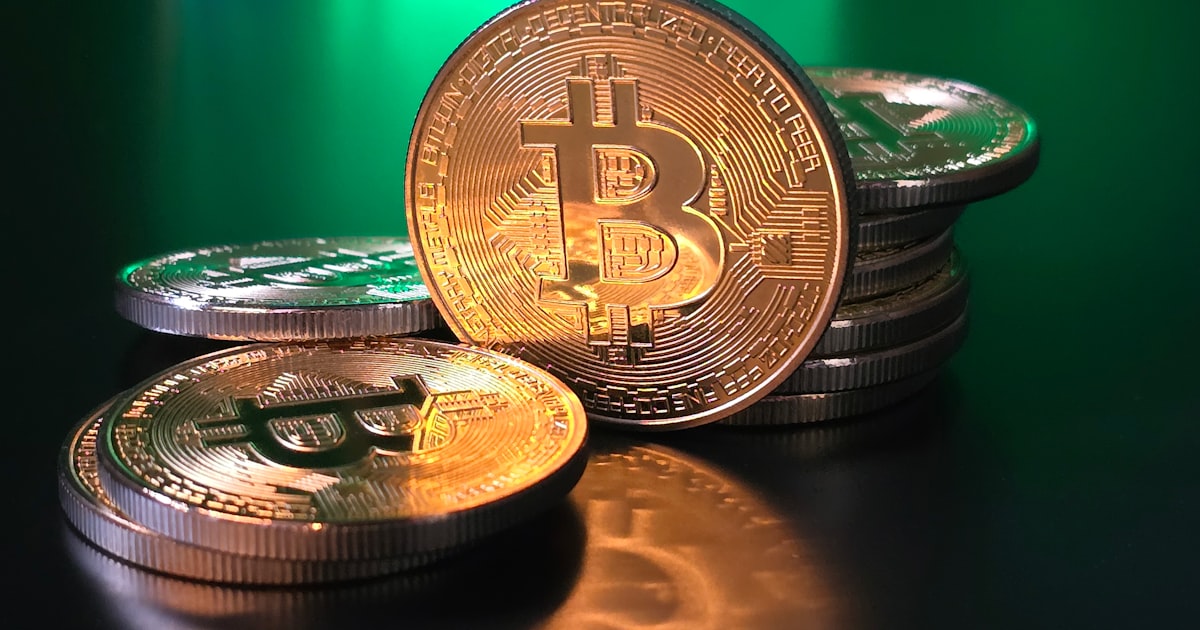
- 01More than half of all Bitcoin in circulation is currently held at a loss, according to K33 research.
- 02This metric historically signals the approach of a market cycle bottom before strong price recoveries.
- 03For investors, cycle bottoms often mark entry points before significant gains; understanding blockchain transactions helps identify these patterns.
- 04Watch Bitcoin blockchain trackers and transaction data over the next months to confirm whether this cycle bottom prediction holds.
Bitcoin's Pain Signal: Why Over 50% Holdings at a Loss Matter
Over half of all Bitcoin in circulation is now held at a loss. That's the finding from K33 research, reported by CoinTelegraph, and it's a number that should grab the attention of anyone with exposure to crypto—or anyone wondering whether the sector's bloodletting is finally approaching an end.
Here's why this matters: when more than 50% of an asset's supply trades below the price its current holders paid for it, history suggests something important is about to happen. Not immediately. But soon enough that the pattern has proven reliable across multiple Bitcoin market cycles.
And then it got interesting.
According to CoinTelegraph, this metric—the proportion of coins held at a loss—has preceded strong price recoveries in previous cycles. It's a behavioral signal baked into the blockchain itself. Every Bitcoin transaction, visible on any bitcoin blockchain explorer or bitcoin blockchain viewer, carries an implicit record: the address that holds it, the price at which it was acquired (estimable from on-chain data), and whether that holder is currently underwater.
So why does this matter to you, specifically?
If you're holding Bitcoin, it suggests the worst may be priced in. If you're considering entry, it's a historical green light—though not a guarantee. If you're skeptical of crypto altogether, it's data that contradicts the narrative that Bitcoin always crashes and never recovers.
The real question is whether this cycle will behave like previous ones. Bitcoin blockchain trackers and live blockchain data now allow researchers to monitor holder behavior in real time, something that wasn't possible even five years ago. K33's analysis isn't based on sentiment surveys or pundit opinion—it's derived from what CoinTelegraph describes as a historical signal, meaning the firm has back-tested this indicator across multiple market cycles and found it predictive.
But here's the complication: past performance doesn't guarantee future results, especially in crypto.
Blockchain technology and the immutable nature of bitcoin blockchain transactions mean we can audit this data independently. Anyone with access to a bitcoin blockchain explorer can verify holdings, trace transactions, and see exactly how the supply is distributed across addresses at different price levels. This transparency is one advantage crypto has over traditional assets—skeptics can actually verify the claims being made, which K33's researchers have made possible through publicly available bitcoin blockchain lookup tools.
What's particularly interesting is that this signal emerges not from price action alone, but from the actual distribution and movement of coins across the network. It's a blockchain-native metric that traditional finance has no equivalent for. You can't do this analysis with stocks or bonds because you can't easily see who holds them or at what price.
If this prediction holds—if Bitcoin's cycle bottom is indeed at hand—then the next 6 to 12 months could look very different from the last year of decline. But that depends on whether this time really is like other times.
For now, watch the bitcoin blockchain size, transaction volume, and whether large holders continue to accumulate despite being underwater, or whether capitulation accelerates. Those signals, visible on any bitcoin blockchain live tracker, will tell you more than speculation.