Bitcoin Miners Pivot to AI Infrastructure Amid Crypto Diversification
Bitcoin miners expand into AI as diversification strategy. Tokenized RWAs hit $43B. Why infrastructure shifts matter for crypto investors and portfolio risk.
- 01Bitcoin miners are diversifying into AI infrastructure as a strategic pivot beyond cryptocurrency.
- 02Tokenized real-world assets surpassed $43 billion in market value according to CoinTelegraph.
- 03Ripple expands African payments while security vulnerabilities in blockchain systems face renewed scrutiny.
- 04The shift signals structural changes in crypto business models that could affect mining profitability and sector valuations.
Bitcoin Miners Bet on AI: A Shift That Could Reshape Crypto Economics
$43 billion. That's how much value now sits in tokenized real-world assets, according to CoinTelegraph's reporting. But the bigger story isn't the size of that market—it's the miners abandoning their primary focus to chase it.
Bitcoin mining operations are increasingly pivoting into AI infrastructure deployment. This isn't a marginal trend. It's a diversification play born from margin pressure and the recognition that hash power alone won't sustain returns. And if you hold mining stocks or bitcoin exposure, this matters.
Here's why: Miners are capital-intensive operators with fixed electricity costs and hardware depreciation clocks ticking. When bitcoin's network difficulty rises or prices stagnate, those fixed costs crush returns. AI compute infrastructure—GPU clusters, data centers, model training capacity—offers a revenue stream that doesn't depend on block subsidy halvings or bitcoin price action.
The real question is whether this diversification strengthens or weakens their core business.
CoinTelegraph reported on multiple angles of this shift, but the market implication is sharp: miners are positioning themselves as infrastructure companies first, cryptocurrency operators second. That's a fundamental rebranding. Marathon Digital, Riot Blockchain, and others have already signaled interest in AI workloads. When the largest players in a sector rotate their capital allocation away from their stated mission, valuations tend to follow.
Elsewhere in the ecosystem, tokenized RWAs—real estate, commodities, bonds, revenue streams wrapped in blockchain tokens—have crossed $43 billion in aggregate market cap. That growth is real. But it's worth distinguishing between hype and adoption. The RWA market is still dominated by a handful of platforms and institutional backers. It hasn't proven it can scale without custodian intermediaries that introduce the exact counterparty risk tokenization was supposed to eliminate.
Ripple's African expansion adds another layer to this picture.
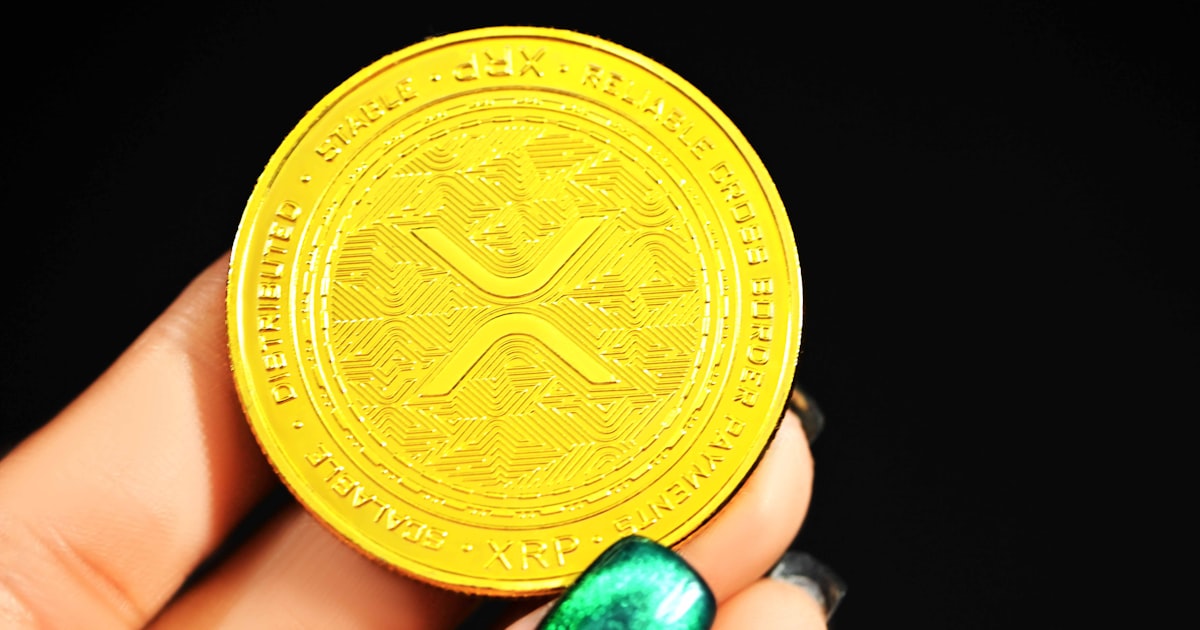
The fintech giant is pushing On-Demand Liquidity in emerging markets where traditional rails are slow and expensive. That's not a cryptocurrency play—that's a payments infrastructure play. Success here means Ripple becomes less dependent on speculative XRP trading and more anchored in real transaction volume. Again, a pivot toward substance over speculation.
But there's a shadow hanging over all of this: security. CoinTelegraph's coverage touches on a reality the industry has been slow to confront. Bitcoin quantum vulnerability isn't theoretical anymore—it's on the agenda at security conferences and in Github repositories tracking bitcoin core vulnerabilities. The bitcoin quantum vulnerability debate centers on whether quantum computers could crack ECDSA signatures and drain addresses. A bitcoin security vulnerability of that magnitude would crater valuations instantly.
That's distinct from, but related to, the broader question haunting AI infrastructure: can AI be hacked? Can AI be trusted to manage value transfer or custody? If miners are deploying capital into AI compute, they're betting their balance sheets on answers that don't exist yet. And that's where portfolio risk lives.
Finally, SBF's legal appeal rejection closes one loop while others spiral open. Enforcement is real. But the sector's structural shifts—miners into AI, fintech into Africa, assets into tokens—suggest the industry is learning to work around or with regulation rather than through it.
For investors: watch mining margins, track AI infrastructure capex announcements from major players, and monitor which blockchain security vulnerabilities get patched first. These three threads will tell you whether this pivot is genuine resilience or desperate rotation.