Bitcoin Market Cap Falls 10 Places: 5-10 Year Recovery Expected
Bitcoin dropped 10 places in global market cap rankings since mid-2025. Experts estimate 5-10 year recovery timeline, though bear market is 70% complete.
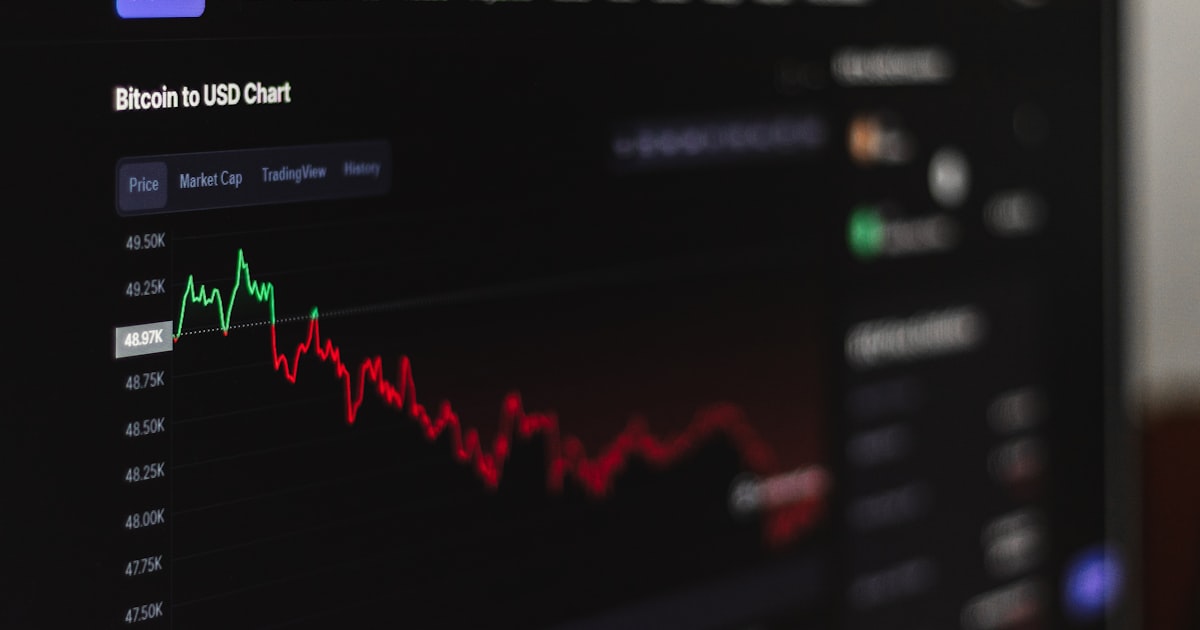
- 01Bitcoin has fallen 10 places in global market cap rankings since mid-2025.
- 02CoinTelegraph analysis suggests recovery could take 5 to 10 years from now.
- 03Current bear market is approximately 70% complete, offering some relief to investors.
- 04Bitcoin could remain outside top-5 assets by market cap for the next decade.
Bitcoin's Steep Fall From Grace: What a 10-Place Drop Really Means
Bitcoin has dropped 10 places in the global market cap rankings since mid-2025. That's not just a number—it's a visceral illustration of how far the world's most famous cryptocurrency has tumbled in less than a year.
For everyday investors holding Bitcoin or considering exposure to crypto, this matters because it signals a fundamental shift in how markets are valuing digital assets relative to other global stores of value. When Bitcoin ranks lower, it doesn't just hurt sentiment; it affects liquidity, trading volume, and the confidence institutions have in the sector.
According to CoinTelegraph's analysis, this bear market isn't going away tomorrow. Experts cited in the report estimate Bitcoin could need 5 to 10 years to claw its way back to where it was. That's a generation of market cycles.
The Silver Lining Nobody's Talking About
But here's the thing: there's a data point buried in this story that actually cuts the other direction.
CoinTelegraph reported that the current bear market is approximately 70% complete. So while the recovery timeline is long, we're not at the beginning of a decade-long death spiral. We're closer to the bottom than we are to the top.
That distinction matters enormously. A 70% completion rate suggests the worst pricing damage may be behind us, even if the reputational damage and market repositioning still has years to run. Technical analysts would call that a potential accumulation signal—meaning savvy investors might actually be building positions while prices remain depressed.
Why Security Vulnerabilities Are Making This Worse
What's compounding Bitcoin's decline isn't just market cycles. There's a growing credibility problem underlying this whole situation.
Security concerns have been mounting. Analysis of Bitcoin core vulnerability discussions and the broader Bitcoin quantum vulnerability debate have created lingering doubt about whether the protocol can withstand future threats. Specifically, the Bitcoin quantum vulnerability proposal—which addresses how quantum computing could theoretically break Bitcoin's encryption—hasn't been fully implemented or accepted by the network.
Compare this to how seriously other industries treat these questions. Analysis of cyber attacks on smart grid applications and analysis of the cyber attack on the Ukrainian power grid show us that when critical infrastructure faces vulnerability threats, institutions demand proof of remediation before trusting them again. Bitcoin faces the same credibility tax.
Frankly, this is particularly nasty because it's not just a price problem—it's an analysis vulnerability that erodes confidence in Bitcoin's long-term viability. When experts debate whether a 10-year-old protocol can handle quantum-era threats, and there's no consensus answer, institutions get nervous.
What This Means for Your Portfolio
The real question is: do you believe in the 5-to-10-year recovery thesis, or do you think Bitcoin's relative decline signals a structural shift in what the market values?
If you hold Bitcoin now, you're betting on two things. First, that the asset's fundamental role as "digital gold" remains intact despite the ranking collapse. Second, that whatever security framework gets deployed will be sufficient to keep it competitive with other global assets that might be climbing past it.
Watch for announcements about Bitcoin quantum vulnerability solutions. That's the technical milestone that could actually accelerate recovery—not because it solves a pressing present-day threat, but because it demonstrates the network can evolve and address legitimate concerns. Right now, that's missing.
The 70% bear market completion figure is real and worth monitoring. But don't confuse being halfway through pain with being halfway to recovery. Bitcoin's journey back to its former ranking position will test both the protocol and the patience of everyone holding it.