Trezor Hardware Wallet Vulnerability Disclosed: What You Need to Know
Trezor reveals TROPIC01 chip vulnerability found by Ledger Donjon audit. Learn what the flaw means for your crypto security and whether your funds are at risk.
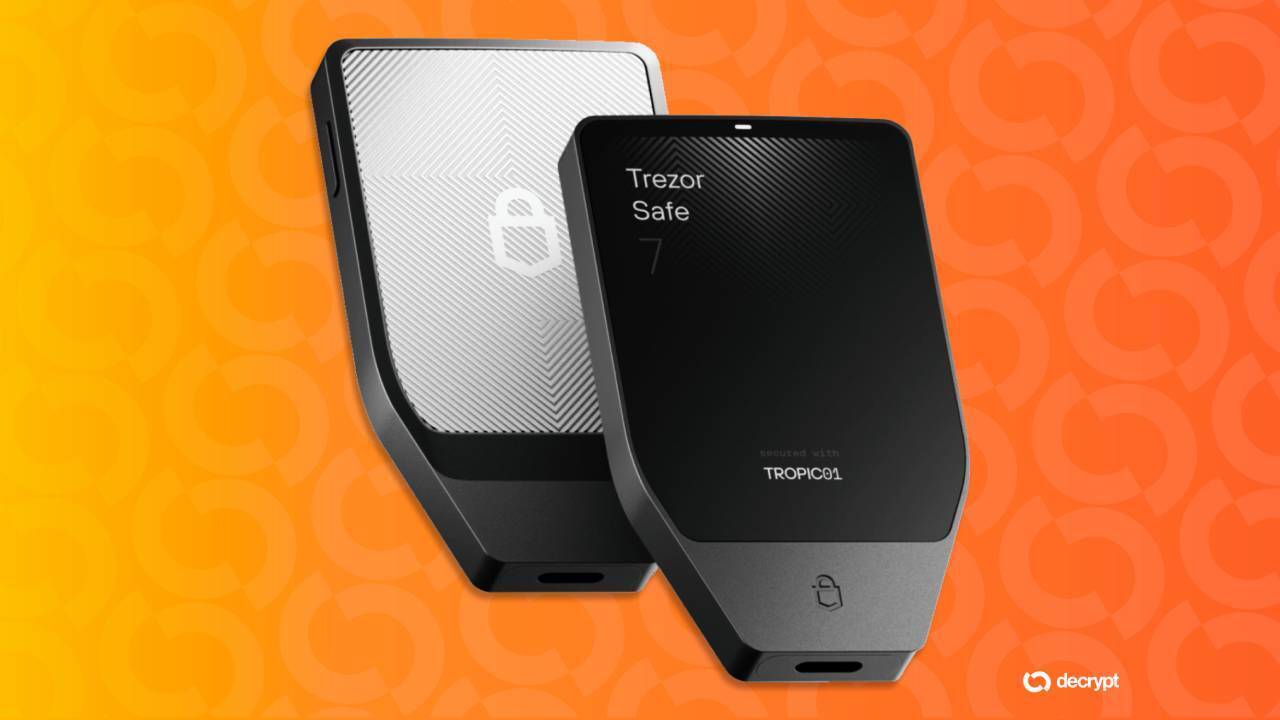
- 01Trezor reveals TROPIC01 chip vulnerability found by Ledger Donjon audit.
- 02Learn what the flaw means for your crypto security and whether your funds are at risk.
Trezor Discloses Hardware Wallet Vulnerability—But Says Your Crypto Is Fine
Trezor just pulled back the curtain on a vulnerability lurking inside its TROPIC01 Secure Element chip. Decrypt reported the flaw was uncovered during an audit by Ledger Donjon, the security research arm of rival hardware wallet maker Ledger. And here's the thing: this kind of disclosure is getting harder to ignore in an industry where trust is literally the product.
The company's official line? User funds remain secure. But that statement needs unpacking, because there's a meaningful difference between "secure right now" and "this wouldn't have exposed your coins to theft."
So why does this matter for investors and everyday crypto holders?
Hardware wallets are supposed to be the gold standard of safe cybersecurity platforms. They store your private keys offline, supposedly shielded from the most dangerous cyber attacks that plague online exchanges and software wallets. When Trezor—one of the two dominant players in this space—announces a vulnerability, it creates a crack in that foundational security narrative.
The TROPIC01 chip handles critical security functions. A flaw there isn't trivial.
But Trezor's response suggests they've already got this contained. The vulnerability appears to be the kind that requires sophisticated physical access to exploit—not something a remote hacker can weaponize through your internet connection. That's substantially different from, say, the safe exam browser vulnerability or similar flaws that can be triggered remotely.
What's particularly nasty about this situation is the optics. Here's Ledger Donjon, essentially Trezor's competitor, finding the flaw. Frankly, this should have been caught sooner through Trezor's own internal security audits. The fact it took an external party to surface it raises uncomfortable questions about whether their safe cybersecurity practices were actually comprehensive enough.
From a market impact perspective, we need to consider historical precedent. When Ledger disclosed its own vulnerabilities—remember the 2024 firmware incident?—the hardware wallet market didn't collapse. Transparency, it turns out, doesn't always trigger panic.
Still.
The real question is whether this triggers a broader reckoning about hardware wallet security. Safe cyber security insurance companies are already pricing in hardware wallet risk. Safe cyber security companies and independent safe security cyber risk quantification platforms have been quietly raising alarm bells about the concentrations of trust in a handful of manufacturers. This vulnerability doesn't answer those concerns—it validates them.
Trezor users checking their portfolios right now are probably breathing easier. The company's claim that funds are safe appears credible based on the technical details emerging. But the broader implication stings: even the supposedly safest layer of crypto security has gaps. And sometimes those gaps get found by your competition before you find them yourself.
The path forward? Transparency helps. Trezor releasing details about the vulnerability and how it was remediated is the right move. But it also serves as a harsh reminder that there's no such thing as a perfectly secure system—only systems that are secure *until they aren't*. Users need to stay vigilant, diversify their security practices, and stop treating any single solution as bulletproof.
That's the only genuinely safe approach to holding cryptocurrency.