TradFi Advisers Prefer Stablecoins Over Bitcoin: Bitwise
Bitwise reports traditional finance advisers show stronger interest in stablecoins and tokenization than Bitcoin. What this shift means for crypto adoption.
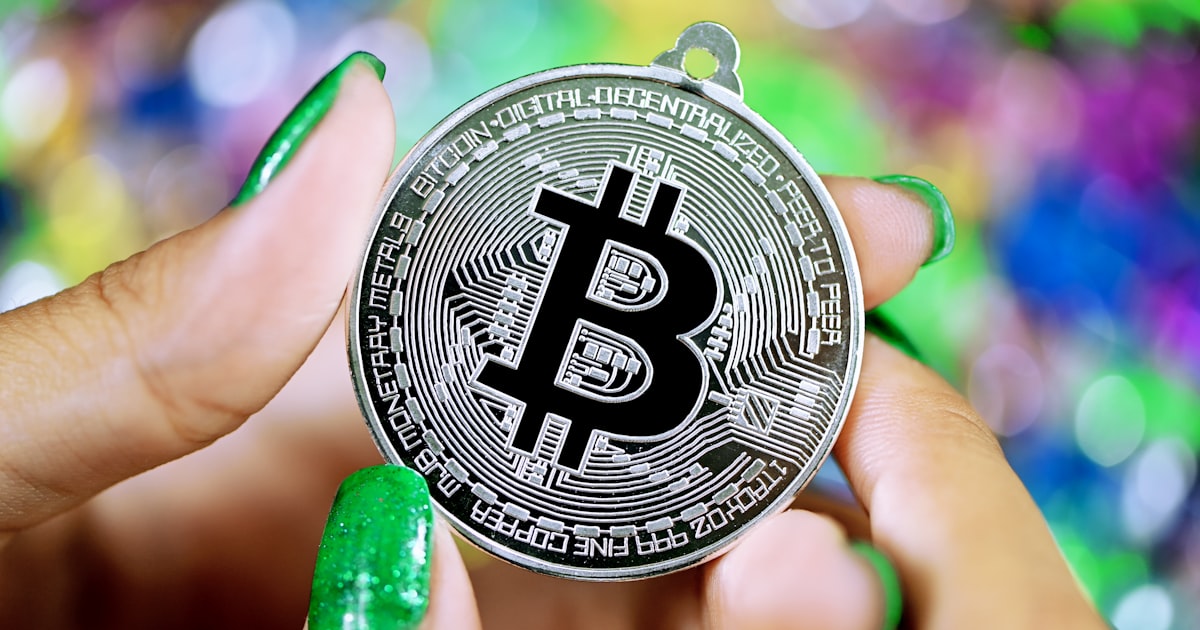
- 01Bitwise reports traditional finance advisers show stronger interest in stablecoins and tokenization than Bitcoin.
- 02What this shift means for crypto adoption.
Wall Street's Crypto Pivot: Stablecoins and Tokenization Win Over Bitcoin
Bitcoin's losing ground with the crowd that matters most right now. According to CoinTelegraph, a new Bitwise report reveals that traditional finance advisers are significantly more interested in stablecoins and tokenization than they are in Bitcoin itself. This isn't a minor preference shift. It's a structural realignment of how institutional money is thinking about digital assets.
For months, Bitcoin maximalists have treated BTC as the gateway drug to institutional adoption. Get the suits interested in Bitcoin, the thinking went, and everything else follows. But that narrative's collapsing faster than most people realize.
The data tells a different story entirely. TradFi professionals aren't rushing toward Bitcoin's decentralization thesis or its store-of-value properties. They're far more excited about the practical plumbing: stablecoins that can settle transactions faster, and tokenization that turns real-world assets into tradeable digital instruments. These solve actual business problems. Bitcoin solves a philosophical one.
Why does this matter for your portfolio? Everything.
Stablecoins represent trillions in potential transaction infrastructure. If traditional finance starts routing settlement through USDC or other regulated stablecoins instead of wire transfers, you're looking at a fundamental change in how money moves. Tokenization opens even wider doors—real estate, equities, bonds, all living on blockchain networks. That's the real adoption story institutional advisers are chasing.
But here's where it gets complicated. Bitcoin's security model, which has held up remarkably well since 2009, suddenly matters less to this crowd than ease of use and regulatory clarity. And that creates a vulnerability window.
The blockchain itself is facing questions that haven't been fully resolved. There's ongoing discussion around bitcoin quantum vulnerability—the theoretical risk that quantum computing could crack Bitcoin's cryptography. It's not an immediate threat, but the bitcoin quantum vulnerability debate has picked up momentum among security researchers. Different camps disagree on bitcoin quantum vulnerability proposals, with some arguing upgrades should happen now and others saying Bitcoin Core's current approach is sufficient.
More broadly, there's been increased scrutiny of bitcoin security vulnerability issues across the ecosystem. Researchers regularly post bitcoin vulnerability github threads analyzing potential attack vectors. The cryptocurrency vulnerability landscape keeps expanding as these systems scale.
And here's the kicker: traditional finance advisers probably aren't losing sleep over these technical debates. They're focused on compliance, settlement speed, and integration with existing infrastructure. That disconnect is significant.
So what happens when stablecoins and tokenization capture the institutional wave? Bitcoin doesn't disappear. But it potentially becomes a smaller piece of the crypto pie than most retail investors assume. Digital assets will explode. Bitcoin's share of that explosion might actually contract.
For portfolio managers, this reshuffling demands specificity. Don't just hold crypto. Know which crypto solves which problem. Stablecoin networks and tokenization platforms will likely outperform Bitcoin in the next institutional cycle. That's not a forecast. It's what the people with the actual money are already telling us.
The real question is whether you're adjusting your positions to match what TradFi actually wants, or still betting on what Bitcoin idealists always hoped they'd want.