Stock Market Valuations Hit 155-Year High, Analysts Worried
Stock market approaches valuations unseen since 1871. Price-to-earnings ratios hit historic levels, triggering widespread concern among Wall Street analysts about sustainability.
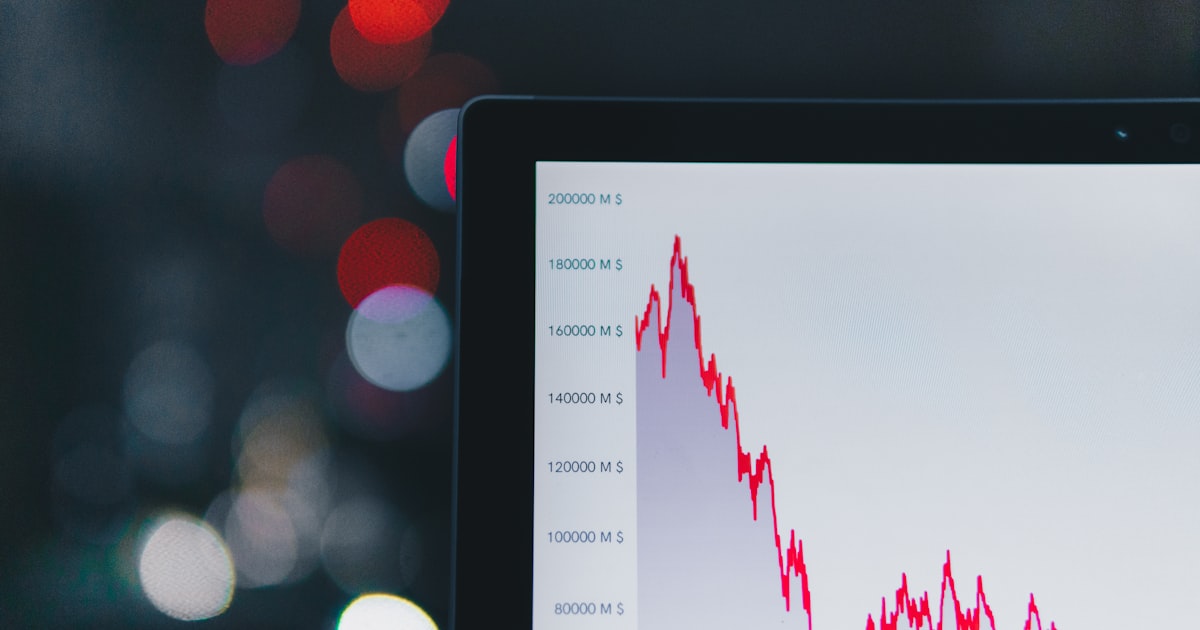
- 01Stock market valuations have climbed to levels not observed since 1871, according to Motley Fool analysis.
- 02Current price-to-earnings ratios and market metrics now rival the market peaks from over 150 years ago.
- 03Wall Street analysts are expressing serious concern about whether these valuations can be sustained long-term.
- 04Investors need to reassess portfolio positioning as the market approaches a historically precarious valuation threshold.
Stock Market Approaching Valuations Not Seen in 155 Years
The stock market is creeping toward a valuation milestone that hasn't arrived since before the telephone was invented. According to reporting from Motley Fool, current price-to-earnings ratios and broader market metrics are approaching levels last observed in 1871—a span of 155 years that encompasses two world wars, the Great Depression, and the dot-com bubble.
And if you're wondering whether Wall Street is staying calm about this? It isn't.
Analysts across the financial sector are raising alarms about the sustainability of these valuations. The news, while technically just another data point in market history, carries real weight because it suggests the market may have priced in expectations that don't align with underlying economic fundamentals. That's not speculation. That's pattern recognition from one and a half centuries of market behavior.
What the Numbers Actually Mean
Let's talk specifics. Price-to-earnings ratios measure how much investors are willing to pay for each dollar of corporate earnings. A ratio of 30 means you're paying thirty dollars for every dollar of annual profit a company generates. When that ratio climbs into territory last seen during the Gilded Age, it raises an uncomfortable question: Are we valuing companies based on reality, or on hope?
The metric isn't arbitrary.
Historically, when P/E ratios spike to these extremes, reversals follow. Sometimes they're gentle corrections spread over years. Sometimes they're violent crashes concentrated into weeks. Motley Fool's analysis suggests the current environment resembles previous peaks more than the strong, fundamentals-driven rallies that characterized other bull markets.
So why does this matter for actual investors? Because it determines what you're actually buying when you add to positions right now. If you're purchasing stock index funds or individual equities at these valuations, you're implicitly betting that companies will grow earnings fast enough to justify what you're paying. History suggests that bet doesn't always pay off.
The Analyst Concern
What's particularly striking is that concern isn't coming from pessimists or market bears. These are establishment voices within the financial system flagging risks. When analysts who benefit from market enthusiasm nonetheless express worry, it deserves attention.
The real question is whether the market can sustain these valuations if economic growth slows.
Corporate earnings growth has propped up stock prices during the current rally. But earnings expansion eventually plateaus. When it does, stocks either need to trade at lower multiples to maintain investor returns, or they need to deliver consistent double-digit earnings growth indefinitely. Neither scenario seems probable in an economy facing demographic headwinds, geopolitical uncertainty, and shifting consumer behavior.
What Investors Should Do Now
This isn't a call to panic or abandon equity exposure entirely. Market timing on news like this rarely works. But it is a signal to scrutinize what you're buying and why.
Consider whether your portfolio reflects valuations you're comfortable holding. Rebalance toward positions with more margin for safety. Diversify into assets that don't move in lockstep with equities. And frankly, if you've been hesitant to take profits on positions that have performed well, this news might be the reminder you needed to act.
The market is telling us something important. Whether we listen depends on whether we believe the last 155 years of lessons still matter.