Stock Market Futures Rise on Iran Oil Tensions March 2026
Dow, S&P 500, Nasdaq futures climb as US-Iran geopolitical tensions drive oil prices higher. Market analysis and energy sector impact.
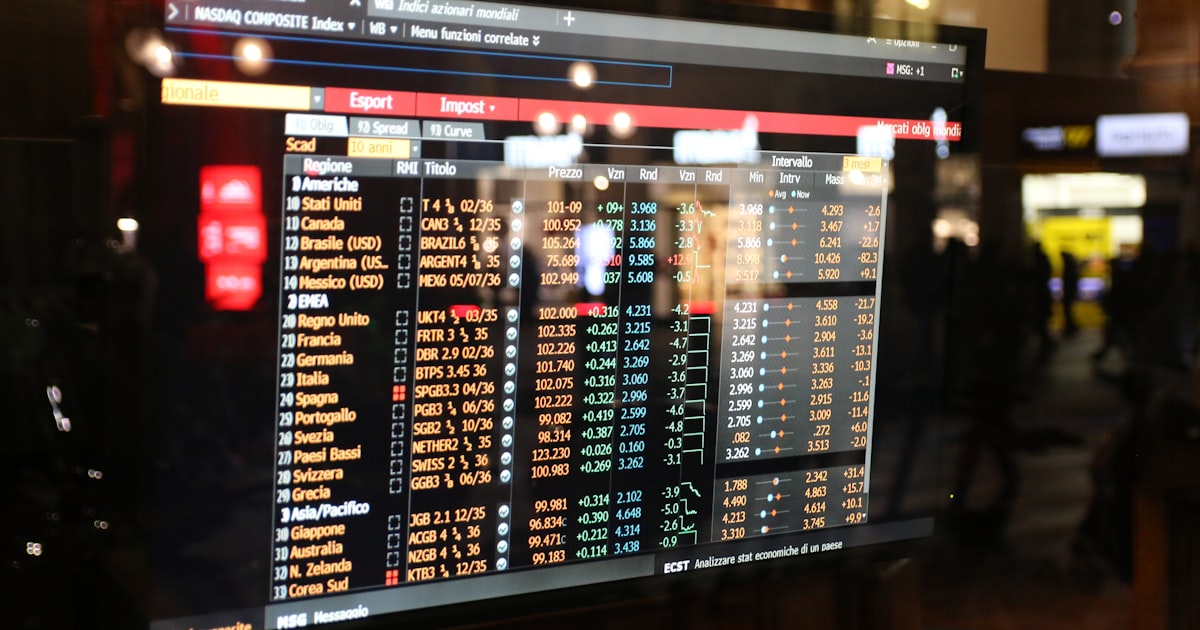
- 01Dow, S&P 500, Nasdaq futures climb as US-Iran geopolitical tensions drive oil prices higher.
- 02Market analysis and energy sector impact.
Stock Futures Surge as US-Iran Tensions Push Oil Prices Higher
Equity futures are climbing this morning. The Dow, S&P 500, and Nasdaq all pointing upward. And it's not some abstract economic indicator driving the move—it's oil, geopolitics, and the very real possibility that energy infrastructure could become a target.
According to Yahoo Finance, market futures are responding to escalating tensions between the US and Iran, with both nations now targeting energy infrastructure as part of their strategic posturing. When oil moves, everything moves. Energy stocks jump. Consumer discretionary takes a hit. Inflation expectations shift. The entire market recalibrates in real time.
So why does this matter to your portfolio?
Crude prices are the transmission mechanism. They're climbing because traders are pricing in supply disruption risk. That's the real story here. Not some abstract geopolitical scoreboard, but actual barrels that might not reach refineries, actual gasoline that might cost more at the pump, actual corporate earnings that could get squeezed if energy inputs spiral.
The historical precedent is instructive. Back in 2019, drone strikes on Saudi oil facilities sent crude surging roughly 15% in a single session. Markets took that hit, but then stabilized once it became clear the damage was contained. What we're watching now feels different—it's not a one-off attack but an escalating pattern of targeting infrastructure specifically. That's persistent risk.
Here's where cybersecurity enters the picture.
When nations talk about targeting energy infrastructure, they're not necessarily talking about kinetic strikes anymore. They're talking about cyber attacks. And frankly, this is where things get genuinely nasty. A cyber attack on critical energy systems—power grids, pipeline control networks, refineries—could dwarf a conventional strike in terms of economic impact. The challenge is that cyber vulnerabilities are harder to measure, harder to quantify, and therefore harder to price into markets until something actually breaks.
Investors are starting to wake up to this. Cybersecurity stocks have been moving, though not uniformly. The real question is whether the market's current risk premium on cyber-related equities actually reflects the real danger. Does the US do cyber attacks? Absolutely. Does Iran? Yes. And the asymmetry matters—smaller nations can inflict outsized damage through digital means.
Energy sector stocks are the primary beneficiary of rising oil. But there's a second-order effect too. Companies that manage download vulnerability databases, vulnerability scanners, and vulnerability manager tools are suddenly very relevant. Dow cyber security jobs are probably going to see hiring interest spike. Why? Because every energy company on the planet is now reviewing their cyber defense posture, downloading vulnerability scans, and asking hard questions about exposure.
And then there's the contagion risk nobody wants to talk about.
A significant cyber event targeting US energy infrastructure doesn't just pump oil futures higher. It could trigger a broader risk-off moment if investors suddenly realize how exposed critical systems actually are. That's the tail risk the market isn't fully pricing in yet. A coop stock or any critical infrastructure provider could face scrutiny once the scope of vulnerability becomes clearer.
The futures are up today because oil is up. But watch the next few days carefully. If crude consolidates higher, we'll likely see a sustained bid in energy equities and a subtle rotation toward defensive plays. If it pulls back, the entire narrative collapses and we're back to whatever economic data points traders were worried about yesterday.
Neither outcome is certain. What is certain is that energy infrastructure—both the physical kind and the digital systems protecting it—is suddenly front and center in market pricing.