SpaceX Tokenized IPO Raises $557M on Binance
SpaceX raised $557M through tokenized IPO on Binance before June 12 debut. Explores crypto-finance convergence and what it means for investors.
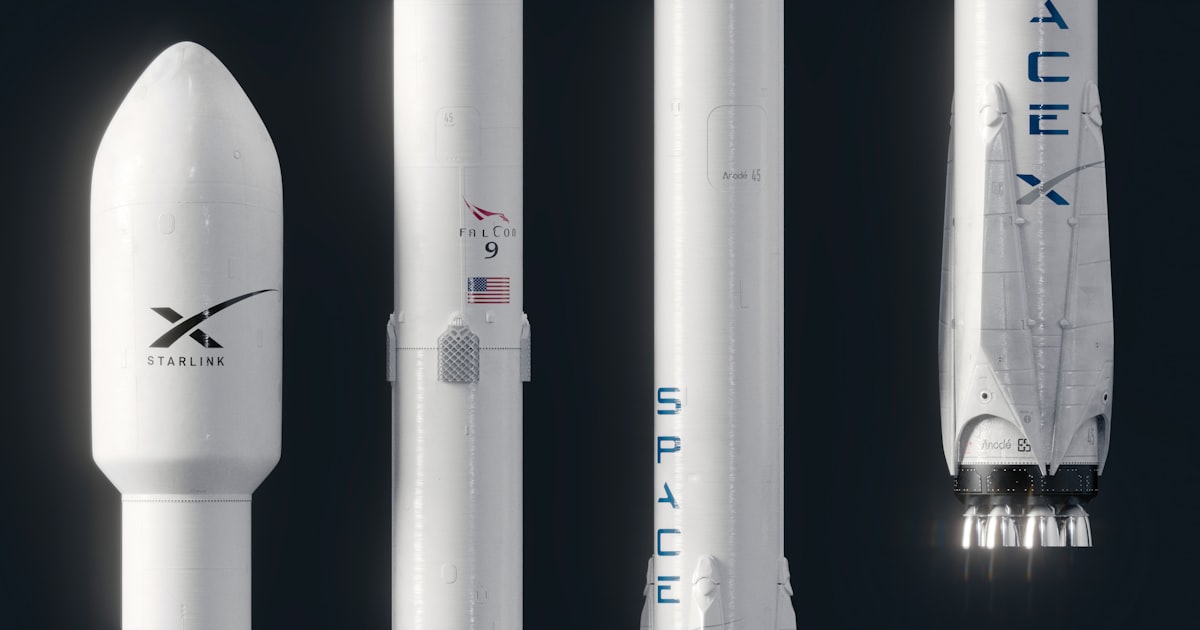
- 01SpaceX raised $557M through tokenized IPO on Binance before June 12 debut.
- 02Explores crypto-finance convergence and what it means for investors.
SpaceX Tokenized IPO Smashes Records on Binance: What Just Happened
SpaceX just pulled off something we haven't seen before. The aerospace company raised $557 million through a tokenized IPO campaign on Binance ahead of its June 12 public market debut. This wasn't a traditional pre-IPO round. This was crypto infrastructure facilitating price discovery for what might be the year's biggest corporate offering.
According to CoinTelegraph, the tokenized offering created real-time trading activity that gave investors a fascinating window into market sentiment before official NYSE trading began. And it worked. Half a billion dollars in 48 hours.
But here's what actually matters.
We're watching the boundaries between traditional finance and cryptocurrency blur in ways that seemed theoretical just years ago. A major institutional company—one with government contracts and national security implications—chose to use blockchain infrastructure as a primary capital-raising mechanism. That's significant.
The mechanics here deserve a closer look. Binance created a tokenized representation of SpaceX equity that allowed global participation without the geographic restrictions of traditional IPO underwriting. Investors didn't need to be accredited. They didn't need to wait in line at Goldman Sachs. They logged into an exchange and participated in real-time price discovery. The tokens traded on Binance's spot market throughout the pre-IPO window, creating continuous valuation signals.
From a market perspective, this changes everything about how we think about capital formation.
Traditional IPO pricing is opaque. An investment bank locks in a price range. Underwriters work the book. Allocation happens behind closed doors. Then the stock opens and you find out what it's actually worth. There's friction. There's information asymmetry. There's often a first-day pop that represents money left on the table.
Not this time.
The tokenized campaign functioned as a continuous auction. Real supply and demand determined pricing throughout the offering window. When June 12 arrived, the market already had weeks of transaction data showing what institutional and retail investors would actually pay. That's price discovery working at scale.
Now, the obvious question: what does this mean for your portfolio?
For equity investors, it signals that major IPOs will increasingly skip traditional banking gatekeepers. If you've been locked out of pre-IPO rounds, that constraint just loosened. The concentration of IPO allocation power in the hands of mega-banks diminishes when Binance can facilitate global participation. That's not a small shift.
For crypto investors, it's validation. Binance handled $557 million in regulated capital raising without incident. No hacks. No settlement failures. No custody disasters. The platform absorbed institutional-grade volume and settled cleanly. This matters given ongoing scrutiny around Binance cyber security and broader questions about whether major exchanges can safely handle serious money. CoinTelegraph reported zero security incidents during the campaign. When you're moving half a billion dollars, that's not luck. That's infrastructure working correctly.
And then there's the sector angle.
Other major corporates are watching. If SpaceX can raise capital more efficiently through tokenization, why wouldn't Tesla, or Apple, or any number of large-cap companies consider similar mechanisms for future offerings? This establishes a precedent. It proves the model works.
The real question is whether regulators will move to restrict this before it becomes standard practice. The SEC hasn't commented on the SpaceX mechanism. That silence is either a green light or a careful wait-and-see approach. Either way, don't expect this to remain SpaceX's exclusive strategy.
For portfolio positioning: if you believe tokenized capital markets will become mainstream, Binance's role as infrastructure provider just became more valuable. If you think regulators will crack down hard on crypto finance convergence, you're looking at downside risk for major exchanges.
The $557 million number itself tells you what the market thinks. Half a billion dollars of capital doesn't flow toward mechanisms that look risky or temporary. It flows toward solutions that work.