Nvidia $20B Debt Bitcoin Miners AI Pivot 2026
Nvidia's $20 billion debt issuance signals major AI infrastructure demand, pushing Bitcoin miners toward AI data center diversification. What it means for crypto.
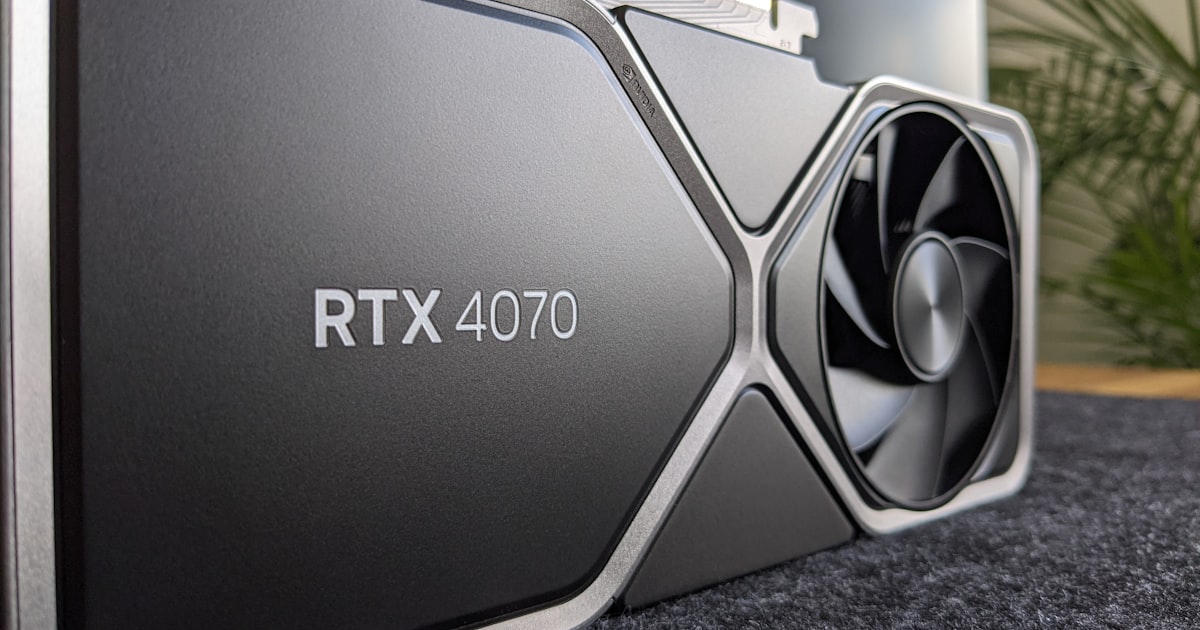
- 01Nvidia just raised $20 billion in debt, showing massive appetite for AI infrastructure financing across industries.
- 02Bitcoin miners are rapidly pivoting to AI data center operations as crypto profitability faces pressure.
- 03The shift reflects broader market recognition that GPU-heavy AI infrastructure is more profitable than mining.
- 04Security vulnerabilities in blockchain systems remain unresolved, making diversification strategically prudent for miners.
The $20 Billion Signal That's Reshaping Crypto Mining
Nvidia just announced a $20 billion debt issuance. That's not the kind of headline that normally makes everyday people sit up and pay attention. But here's why it should: it's revealing something massive happening right now in the cryptocurrency world, and it directly affects the future of Bitcoin mining itself.
According to CoinTelegraph, this debt move isn't just about Nvidia needing cash. It's a signal. A massive, unmistakable signal that the entire financial system believes AI infrastructure is the next multi-trillion dollar bet. And when Wall Street believes something with enough conviction to back a $20 billion bond offering, capital flows in that direction at shocking speed.
Why Miners Are Abandoning the Old Playbook
Bitcoin miners have traditionally done one thing: buy hardware, point it at the blockchain, and collect newly minted coins. It's been their business model for over a decade. But that model is breaking down, and everyone knows it.
Mining difficulty keeps rising. Competition intensifies. Energy costs climb. The margins that once made Bitcoin mining wildly profitable have compressed into something closer to utility-level returns. Meanwhile, the same specialized hardware miners own—GPUs, TPUs, high-end processors—are suddenly worth three times as much to AI companies.
So the smart players are pivoting. They're converting mining operations into AI data centers.
This isn't theoretical. It's happening right now across North America and Southeast Asia.
The real question is whether this transition happens smoothly or whether it exposes problems the crypto industry has been ignoring. Because here's what nobody wants to talk about: while Bitcoin and other blockchains have weathered various bitcoin vulnerability discussions over the years—including debates around bitcoin quantum vulnerability proposals and bitcoin core vulnerability patches—the fundamental bitcoin security vulnerability that matters most is adoption risk.
When miners abandon mining for more profitable AI work, network hash rate could suffer. That's not a cryptographic flaw. It's an economic one.
The Security Question Nobody's Really Asking
There's been increasing conversation about bitcoin quantum vulnerability and whether the blockchain has adequate defenses against future quantum computing threats. Developers have posted bitcoin vulnerability github repositories documenting potential attack vectors. Academic researchers have published bitcoin quantum vulnerability debate papers. These are legitimate technical concerns.
But the bigger vulnerability? It's simpler and uglier: what happens if the economic incentive to secure Bitcoin's network evaporates?
That's not a bitcoin blockchain vulnerability in the traditional sense. It's a crypto vulnerability of the structural kind.
When miners can earn better returns pointing their hardware at language models and image generators instead of SHA-256 hashing, they will. Electricity doesn't care where it goes.
And Nvidia's $20 billion debt issuance is essentially the financial markets placing a massive bet that AI infrastructure will be more profitable for longer than Bitcoin mining ever was.
What Changes For You
If you own Bitcoin, this is worth understanding. The network's security depends on miners maintaining sufficient incentive to keep mining. That incentive is partly about price (which you can't control) and partly about competition from alternative uses of the same hardware (which just got much more lucrative).
If you're considering cryptocurrency investments, this suggests the industry's most established narrative—that mining is stable, decentralized, and immune to economic pressure—was always incomplete.
Watch what happens over the next six months. If major mining operations announce large-scale pivots to AI data center work, Bitcoin's hash rate could face real pressure. That wouldn't break the network. But it would change what Bitcoin actually is: less a globally distributed system, more a boutique security solution maintained by true believers and whoever still finds mining profitable.
Neither outcome is inherently bad. But one is very different from the other.