MoneyGram MGUSD Stablecoin Launches on Stellar Network
MoneyGram launches MGUSD stablecoin on Stellar blockchain. Major remittance company enters crypto payments. Read security details and market impact.
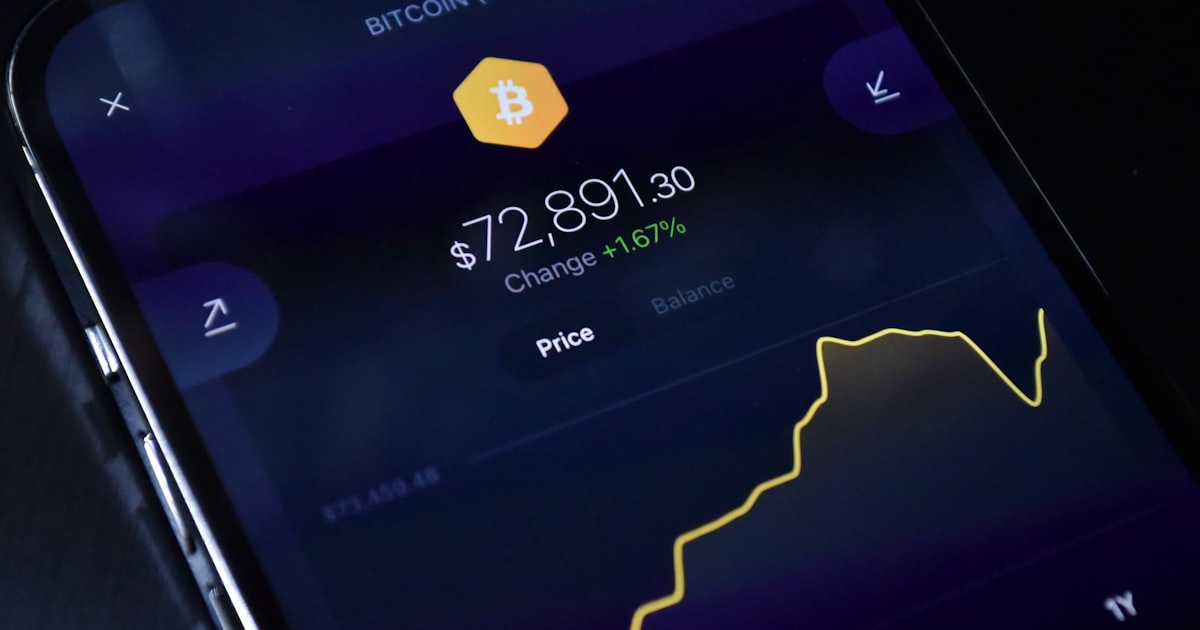
- 01MoneyGram launches MGUSD stablecoin on Stellar blockchain.
- 02Major remittance company enters crypto payments.
- 03Read security details and market impact.
MoneyGram Enters Crypto: New USD Stablecoin Launches on Stellar
MoneyGram has officially launched MGUSD, a USD-backed stablecoin built on the Stellar blockchain. The move marks a watershed moment for traditional financial services—a company that's been moving money the old-fashioned way for decades is now betting on blockchain infrastructure. According to CoinTelegraph, which first reported the development, this represents one of the most significant mainstream fintech pivots we've seen in 2026.
The real question is: why now?
MoneyGram's core business is remittances. That means speed and cost matter enormously to their customers. Blockchain-based payments promise both—transactions settle faster than traditional wire transfers, and fees don't have to cover the overhead of physical locations or correspondent banks. MGUSD on Stellar specifically gives them access to a network that's already designed for cross-border payments, with transaction speeds measured in seconds rather than days.
But there's an elephant in the room.
Security concerns have dogged fintech companies that venture into crypto, and MoneyGram is no exception. The company hasn't been immune to trouble. Past cyber attacks on major payment processors have made consumers rightfully nervous about where their money lives. So the question everyone's asking: is MoneyGram secure enough for this?
The company has published security documentation detailing how MGUSD will operate. Stellar itself has undergone extensive cyber security review, with third-party audits examining everything from transaction validation to wallet architecture. That said, Stellar cyber security sensor data and vulnerability management protocols are only as good as their implementation. MoneyGram will need to prove it can maintain those standards at scale.
Here's what we know about the technical side: MGUSD tokens are 1:1 backed by US dollars held in reserve, which is the basic promise of any stablecoin. The Stellar network handles the ledger entries and transaction confirmation. In theory, this is safer than a leveraged or under-collateralized stablecoin.
In theory.
The timing coincides with growing institutional interest in stablecoins. After years of regulatory ambiguity, several jurisdictions have started providing clearer guidance on how these assets should be treated. MoneyGram's move suggests they believe the regulatory environment is stable enough to justify the investment.
For investors, this opens possibilities. If MGUSD gains traction in emerging markets where MoneyGram's remittance corridors are strongest, we could see real volume. The addressable market is enormous—the World Bank estimates global remittances at over $800 billion annually. Even capturing a fraction of that on a blockchain-based system would be transformative.
For everyday users, especially migrant workers sending money home, the promise is simpler: faster transfers, lower fees, 24/7 availability instead of office hours. Those aren't trivial benefits when you're supporting family across borders.
One thing worth tracking: how long do cyber attacks last when they do happen? Industry data suggests everything from hours to weeks depending on discovery and response time. MoneyGram's track record will matter here. A major security incident could torpedo confidence in MGUSD overnight, regardless of underlying technology quality.
The Stellar reviews and cyber security sensor implementations will be crucial to monitor. MoneyGram needs to demonstrate not just that they're using blockchain, but that they're doing it better than the alternatives they're replacing.
What happens next
Expect other payment companies to watch this closely. If MoneyGram's MGUSD gains even modest adoption, we'll likely see competitive launches within months. The remittance market is finally moving to blockchain. The real test isn't whether it works technically—it's whether MoneyGram can convince billions of people that their crypto stablecoin is safer than what they're using now.