May CPI Inflation Report Wednesday: What to Expect
Wall Street expects 4.2% annual inflation in May CPI data releasing Wednesday. Here's what the numbers mean for Fed policy and your wallet.
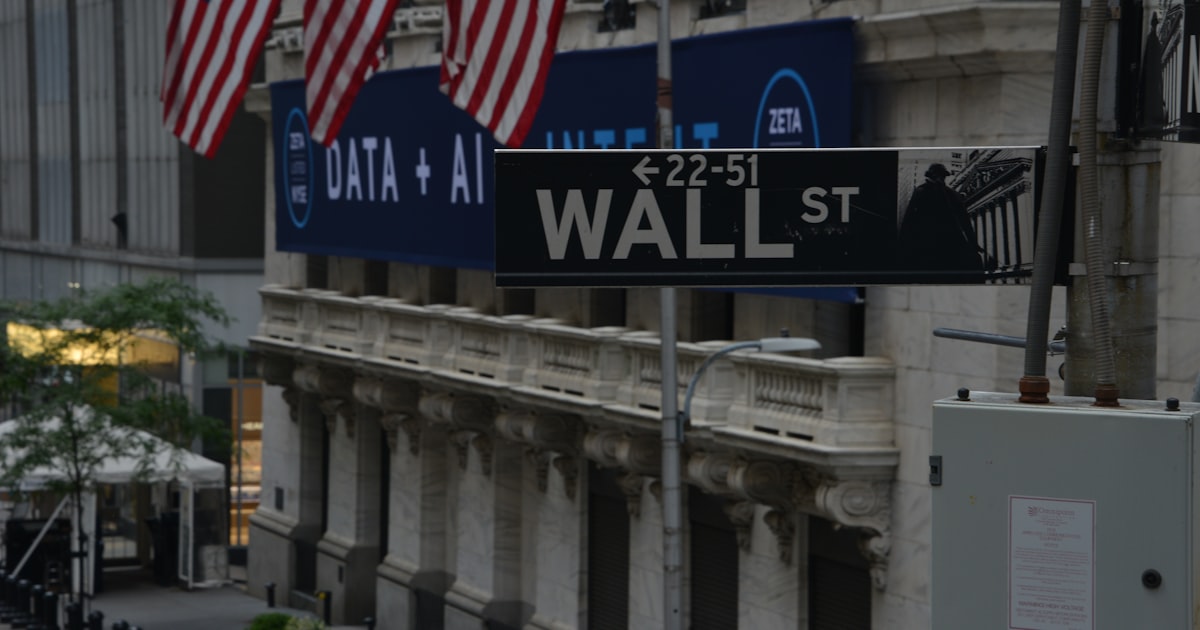
- 01Wall Street expects 4.2% annual inflation in May CPI data releasing Wednesday.
- 02Here's what the numbers mean for Fed policy and your wallet.
May Inflation Report Hits Wednesday: Markets Brace for CPI Numbers
The May Consumer Price Index report drops Wednesday morning. Wall Street's consensus? A 4.2% annual inflation rate, according to CNBC Economy. This isn't just another data release. It's the kind of economic snapshot that moves markets, influences Federal Reserve decisions, and ultimately affects how much you're paying for groceries and gas.
So why does this matter so much?
The Fed watches CPI like a hawk. When inflation comes in hotter than expected, bond markets get nervous. Stock portfolios feel the pressure. Interest rates could stay elevated longer than investors are hoping. And if the number surprises to the downside, you're looking at a completely different narrative—one where rate cuts might finally be on the table sooner rather than later.
The real question is whether May's data will confirm we're actually cooling down or if we're just seeing temporary relief.
Economic data releases of this magnitude do something interesting to market behavior. Traders position themselves ahead of time. Algorithms scan for patterns. And then there's the vulnerability Wednesday morning itself—a brief window where market expectations collide with reality. But there's another layer to monitor these days. According to reports, a Monday cyber attack on financial systems has traders watching for signs of cyber attack activity heading into Wednesday's data dump. IT infrastructure supporting market operations has been under scrutiny since Monday's incident, and frankly, the timing raises questions about whether sensitive economic data could be at risk during volatile trading periods.
A 4.2% annual rate would mark a specific inflection point.
That's down from earlier in 2026 when we were seeing hotter readings. It suggests the Fed's rate-hiking campaign has actually been working. But it's not quite the 2-3% range that would make policymakers genuinely comfortable. You're stuck in this awkward middle ground where inflation's improving but still elevated.
Here's what economists are really watching: the month-over-month number. A 0.3% or 0.4% monthly increase would feel manageable. Anything above that reignites concerns that we haven't actually solved the underlying problem. Core inflation—which strips out volatile food and energy prices—matters just as much, maybe more. That's where you see whether the slowdown is real or just noise.
And then there's the consumer spending angle.
People are getting exhausted by inflation. Wage gains have been decent, sure, but they're not keeping pace everywhere. Real purchasing power is still taking hits in certain sectors. If Wednesday's report shows inflation's still grinding away at 4.2%, consumers are going to feel it another way: through potential interest rate decisions that keep borrowing expensive.
The Fed's already signaled they won't cut rates until they see more evidence of disinflation. This report could confirm their patience is warranted or suggest they've kept rates too high for too long. Markets have a way of pricing in expectations before the actual data arrives, which is why Wednesday morning will see swift repricing across asset classes almost immediately after the 8:30 a.m. ET release.
For investors, this is the moment where positions get tested. For everyday people, this is when economists and policymakers decide whether your mortgage rate, car loan, and credit card APR stay where they are or move in one direction or another. That's not abstract. That's real money in your actual budget.
Watch the headline number first. Watch core inflation second. Then watch how Treasury yields respond in the minutes afterward—that'll tell you everything about whether markets think the Fed's job is nearly done or if rate cuts remain far away.