Kraken Bitcoin Perpetual Futures CFTC Approval 2026
Kraken plans CFTC-approved Bitcoin perpetual futures for US institutional clients. Learn what this regulatory milestone means for crypto derivatives trading.
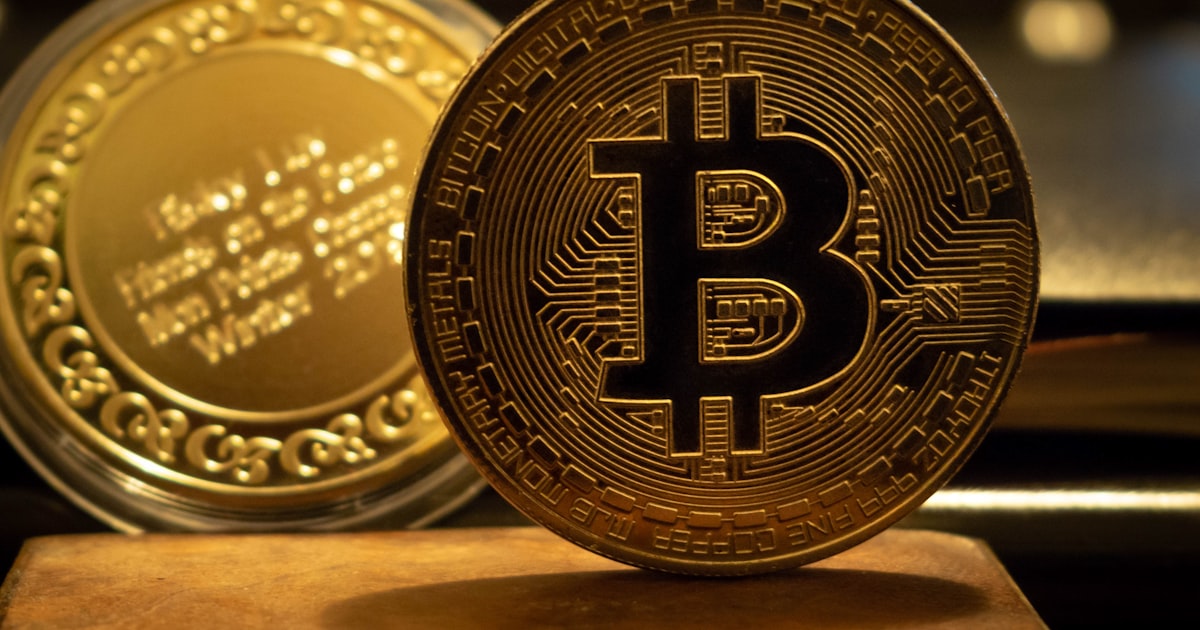
- 01Kraken plans CFTC-approved Bitcoin perpetual futures for US institutional clients.
- 02Learn what this regulatory milestone means for crypto derivatives trading.
Kraken's Big Move Into Regulated Bitcoin Futures—And Why It Matters to You
So why does this matter if you're not an institutional trader? Because when major exchanges get regulatory approval to launch new products, it's a signal that crypto is becoming more legitimate. And legitimacy attracts money. Lots of it.
According to CoinTelegraph, Kraken just received the green light to launch CFTC-approved Bitcoin perpetual futures contracts for US institutional clients within the next month. That's six months ahead of where many expected the market to be.
Let's unpack what this actually means. A perpetual futures contract lets traders bet on Bitcoin's price without owning the actual asset. It's leverage trading, essentially—amplifying gains and losses. The CFTC (Commodity Futures Trading Commission) approval is crucial because it means the US government's derivatives regulator has blessed these products as legitimate financial instruments.
Kraken isn't alone in this space anymore.
Other exchanges are moving fast. Coinbase, FTX's successors, and traditional finance platforms are all racing to capture institutional demand. The real question is whether Kraken's first-mover advantage here actually translates to market share, or if the infrastructure these competitors are building will just overwhelm them.
And here's where security gets genuinely important. When institutions move billions into derivatives platforms, the infrastructure has to hold up. We've seen what happens when it doesn't—exchange hacks, frozen assets, cascading losses.
There's another layer to this that doesn't get enough attention: blockchain vulnerability. Bitcoin itself faces structural questions that go far beyond any single exchange's security practices. The cryptocurrency vulnerability conversation includes everything from basic bitcoin security vulnerability issues to more exotic threats. Some researchers have raised concerns about bitcoin quantum vulnerability—the possibility that quantum computers could eventually crack Bitcoin's cryptographic keys. It's not an immediate threat, but the bitcoin quantum vulnerability debate among developers is real, and there's already been discussion about bitcoin quantum vulnerability proposals for hardening the network.
Frankly, these aren't just academic exercises. When you're talking about institutional money pouring into Bitcoin derivatives, the underlying asset's security matters enormously. A bitcoin core vulnerability or a crypto vulnerability in the broader ecosystem could tank confidence overnight.
But the CFTC approval does signal something positive: regulatory oversight. These aren't Wild West derivatives anymore. They're subject to audit, capital requirements, and actual government scrutiny. That's different from 2017, when cyber attack company examples dominated headlines because so many platforms were getting breached with minimal consequences.
So what happens next?
Institutions will likely start using these products immediately. Hedge funds, pension funds, family offices—they've been waiting for exactly this kind of regulatory clarity. The volume could be substantial within weeks. And that volume will create opportunities for traders, but also risks for the careless ones.
If you're considering exposure to Bitcoin derivatives, here's the honest take: use regulated platforms with proven custody solutions, understand exactly what leverage you're taking on, and don't treat perpetual futures like spot Bitcoin. These are complex instruments designed for people who know what they're doing. Start small if you start at all.
The Kraken announcement matters because it represents a fork in the road. One path leads toward integration with traditional finance and regulatory legitimacy. The other path—the one the industry came from—involved hacks, fraud, and enormous losses for retail investors. Kraken's move suggests the industry is slowly choosing the first path. That's progress, even if it's messy and incomplete.