Fed Statement Next Week: What the Rate Shift Means for You
The Federal Reserve's upcoming statement may signal an end to its easing bias. Here's what that means for your money and investments this week.
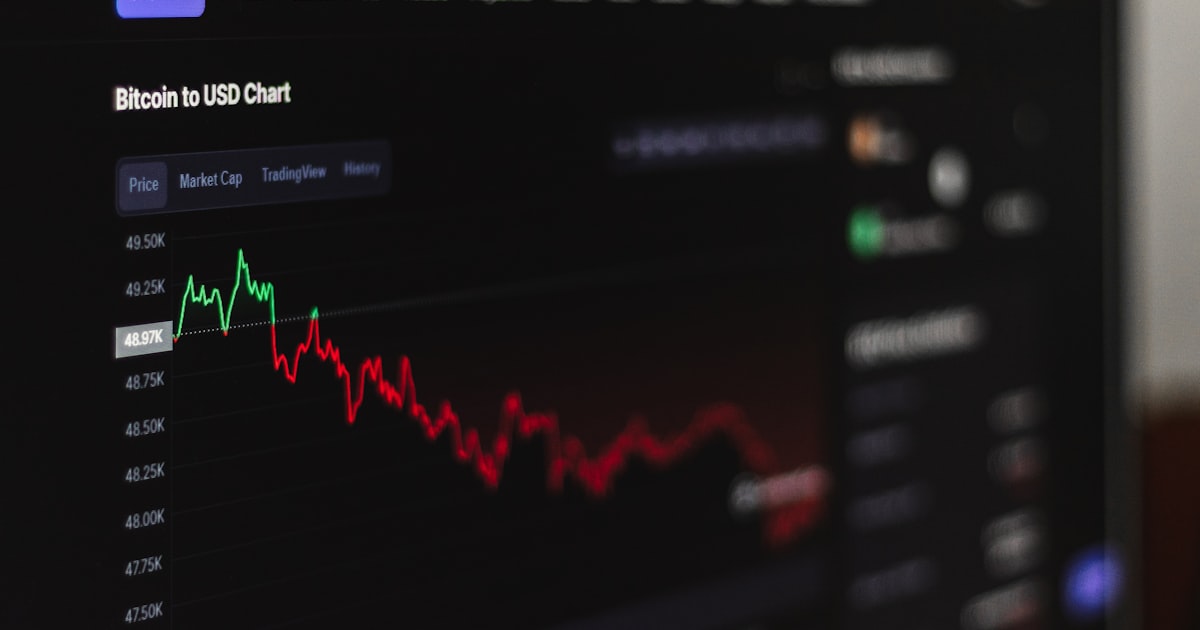
- 01The Federal Reserve's upcoming statement may signal an end to its easing bias.
- 02Here's what that means for your money and investments this week.
One Sentence Could Change Everything About Your Money
The Federal Reserve releases a policy statement next week. And buried inside it might be the most important sentence you'll read all month.
Why? Because it could signal that the Fed is done cutting interest rates.
If you've been paying attention to your savings account yields, mortgage rates, or stock portfolio lately, you know the Fed's decisions ripple through everything. Motley Fool recently highlighted that investors need to watch for a specific shift in the Fed's language—a move away from what's called an "easing bias," which basically means the central bank isn't tilting toward making borrowing easier anymore.
So why does this matter to you personally?
When the Fed changes its stance, it doesn't just affect Wall Street traders. Your credit card rates could shift. Your mortgage refinancing options dry up. Your investment returns—if you're holding bonds or dividend stocks—get recalculated by the entire market in real time. For most people, that's felt as either a squeeze on their wallet or a boost to their savings.
What's Actually Happening Here
The Federal Reserve doesn't move in straight lines. For the last several months, they've been cutting rates to ease pressure on the economy. That's been good news if you're borrowing money. Bad news if you're trying to earn interest on cash sitting in the bank.
But inflation hasn't cooperated the way some economists predicted.
And now the Fed faces a real vulnerability in its current approach. If it keeps cutting rates while inflation remains sticky, it risks stoking price increases down the line. Think of it like this: a vulnerability sentence in analysis would read something like, "The Fed's easing strategy leaves little room for error if economic data turns negative." That's the position they're in.
Next week's statement will show whether they've recognized this vulnerability and are ready to pump the brakes.
The One Sentence You're Watching For
Frankly, most Fed statements are written in bureaucratic language that makes tax code look exciting. But banks, investment firms, and serious investors don't read these things for fun. They hunt for specific phrases—language that signals a shift in thinking.
If the Fed removes language about being "patient" with future rate decisions, or if they signal they're done cutting, that's your tell.
The real question is: how will markets react? Historically, when the Fed signals a pause in rate cuts, bond prices can fall and stock volatility can spike as traders recalibrate their positions. It's like watching for signs of cyber attack in your financial accounts—you're monitoring for warning indicators that something fundamental has shifted.
Some analysts are already bracing for choppiness this week as traders position themselves ahead of the announcement.
What You Should Actually Do
This isn't a call to panic or to make drastic portfolio changes before Wednesday. It's not even a prediction about what the Fed will actually say.
But it is a heads-up: if you've been meaning to lock in a CD rate, refinance a loan, or rebalance your portfolio, you might want to think about timing. Rates tend to move fast after Fed announcements.
And if you're watching for any cyber attack sentence warnings in your banking alerts or investment accounts this week, pay attention. Market volatility sometimes brings scammers out of the woodwork, so stay vigilant about your account security.
Most importantly, this week's Fed statement is a reminder that your financial life is connected to decisions made by people in suits in Washington. Understanding what they're signaling—even if just in one crucial sentence—puts you ahead of the curve.