Dow S&P 500 Nasdaq: Warsh Fed Chair Impact Markets
Markets drift cautiously as Kevin Warsh takes helm as Federal Reserve chair. What his leadership means for monetary policy and stock performance ahead.
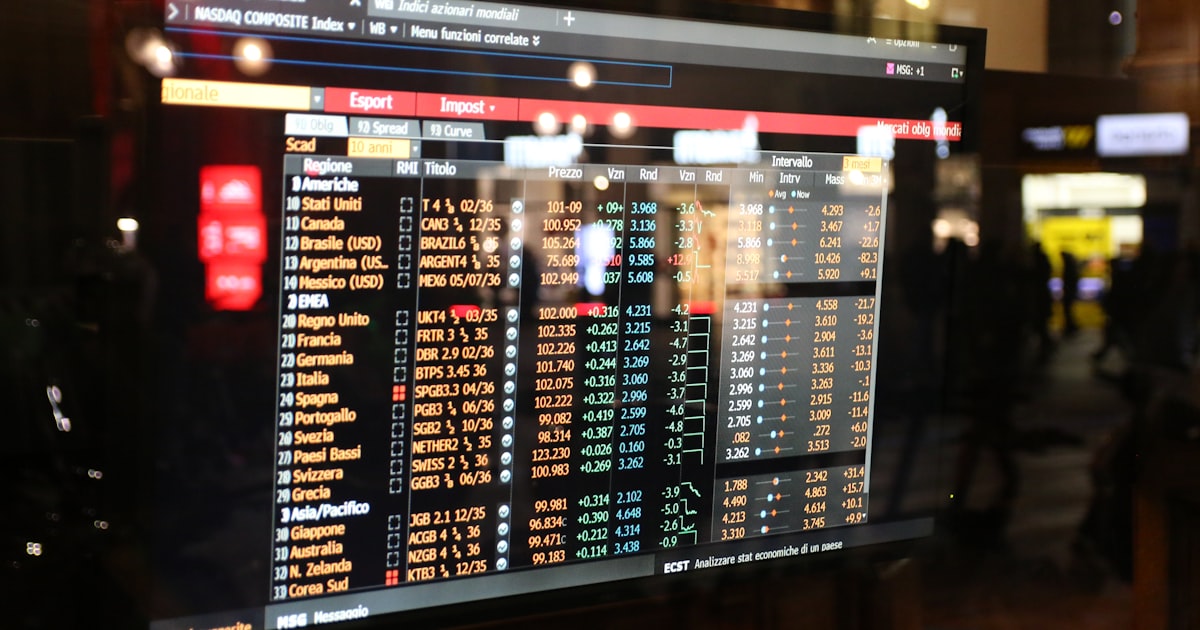
- 01Kevin Warsh's first Fed meeting as chair is driving cautious market movement today.
- 02Major Fed leadership transitions historically influence monetary policy direction and investor sentiment.
- 03The Dow, S&P 500, and Nasdaq are showing measured trading ahead of policy signals.
- 04Warsh's approach to interest rates could reshape market expectations for the remainder of 2026.
Market Treading Water as Warsh Steps Into Fed's Top Role
Kevin Warsh is taking over as Federal Reserve chair. That's significant. According to Yahoo Finance, markets are drifting cautiously ahead of his inaugural meeting in the position, and for good reason—the Fed's leadership doesn't change often, and when it does, the implications ripple across every asset class.
The Dow, S&P 500, and Nasdaq are all showing measured movement today. Not panic. Not exuberance. That careful positioning tells you something important: investors are genuinely uncertain about what Warsh's tenure means for monetary policy going forward.
So why does this matter?
Because the Fed chair sets the tone for interest rate decisions, inflation management, and the entire economic messaging apparatus that moves trillions in market value. When leadership changes hands, traders and portfolio managers have to recalibrate their assumptions about everything from bond yields to stock valuations.
A New Hand at the Wheel
Warsh isn't a stranger to financial policy—he served as a Federal Reserve governor from 2006 to 2011, navigating the housing crisis and the subsequent recovery. But governing is different from chairing. The chair has authority over the Fed's policy direction in ways that board members don't.
Historical precedent suggests these transitions matter.
When Paul Volcker took over in 1979, markets initially hated it because investors sensed he'd be aggressive about killing inflation. They were right. When Alan Greenspan arrived in 1987, markets rallied partly on his reputation for flexibility and market-friendly thinking. Janet Yellen's transition in 2014 sparked debate about whether rate hikes were coming. Jerome Powell's debut in 2018 was defined by early volatility as the market tested his resolve.
What's Warsh's reputation in the market? That's the open question. His previous term was marked by pragmatism during crisis conditions, but we're not in crisis now. Inflation has cooled considerably from its 2022 peak, yet it hasn't fully returned to the Fed's 2% target. Will he maintain current rate levels? Cut sooner than expected? Hold the line?
The Cyber Risk Nobody's Talking About
There's another angle worth considering. Financial institutions themselves face unprecedented threats. The Dow Cyber Crime Center has documented rising threats to market infrastructure, and cybersecurity stock continues to climb as attackers target financial data. A coop stock cyber attack last month illustrated how quickly financial systems can be compromised.
The Fed's own IT infrastructure matters now more than ever. If there's one institution that cannot afford a successful cyber attack, it's the central bank. The Dow Cyber Security Apprenticeship Program has been trying to build talent in this space, and frankly, it's not growing fast enough. Cybersecurity stock valuations reflect investor anxiety about these vulnerabilities.
Does the US do cyber attacks against foreign adversaries? Yes. But defensive capabilities domestically are still playing catch-up to the threat level.
That's why the Dow Cyber Security Academy and similar initiatives matter—they're building the talent pipeline.
What Happens Next
Warsh's first meeting will likely produce a policy statement that reveals his priorities. Will he signal future rate cuts? Hold steady? The statement's language will be parsed sentence by sentence by every algorithm and analyst in the market. Expect volatility to spike momentarily as traders react to the Fed's positioning.
Beyond that, watch how banks trade. Financial sector stocks are usually first to react to Fed leadership transitions because they're most directly affected by rate policy. If the financial sector rallies, that's a signal the market believes Warsh will be accommodative. If it sells off, investors are pricing in tighter conditions ahead.
The real question is whether Warsh will chart a course that feels familiar to markets or surprise with a different approach entirely. Either way, markets aren't drifting aimlessly—they're waiting. And waiting costs money.