Dogecoin Gets Paxos Support: Institutional Adoption Milestone
Paxos adds Dogecoin support for institutional platforms. What this means for DOGE crypto price and wider blockchain adoption in 2026.
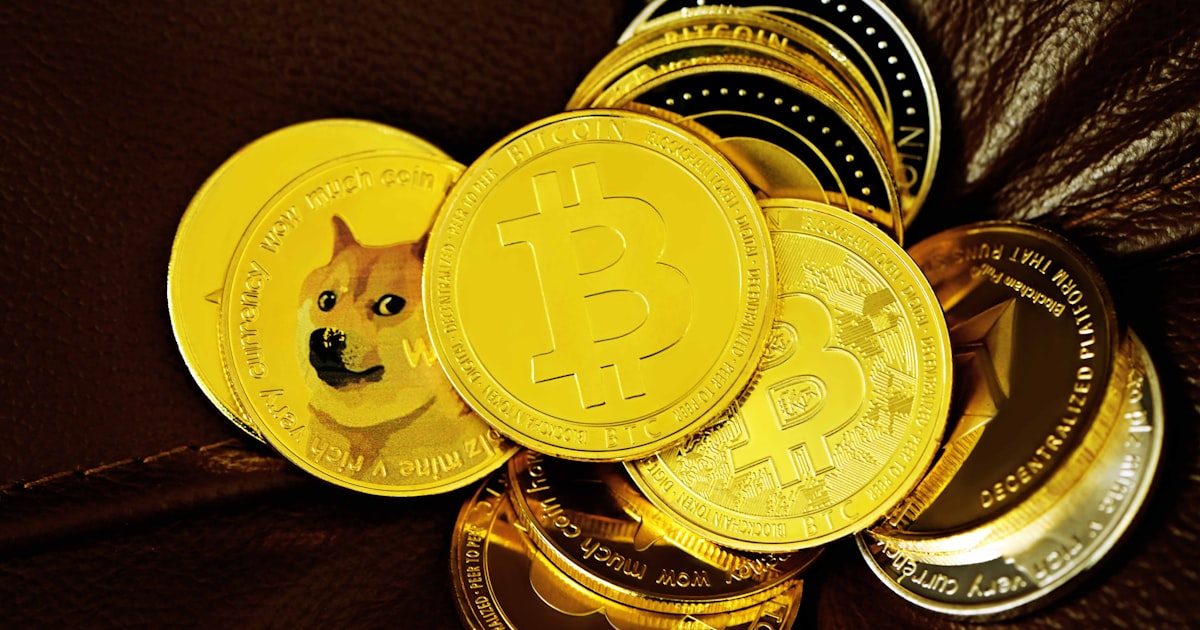
- 01Paxos adds Dogecoin support for institutional platforms.
- 02What this means for DOGE crypto price and wider blockchain adoption in 2026.
Dogecoin Just Got a Massive Institutional Stamp of Approval
So why does this matter to you? Unless you're holding Dogecoin or work in crypto, it might seem like another technical announcement buried in a press release. But here's the thing: when major financial infrastructure companies start supporting a digital asset, it signals something deeper about where money—real money—is flowing.
CoinTelegraph reported that Paxos, a heavyweight fintech infrastructure provider, has officially added Dogecoin support to its platform. That means institutional investors, traditional financial firms, and fintech platforms can now access DOGE through Paxos's infrastructure. It's not flashy. It's not a celebrity endorsement. But it might be more important than both combined.
What Paxos Actually Does (And Why It Matters)
Paxos isn't some niche crypto exchange. They're the plumbing behind the plumbing.
The company provides the critical infrastructure that lets traditional financial institutions interact with digital assets. They handle custody, settlement, and regulatory compliance—the unglamorous but absolutely essential work that keeps institutional money from disappearing into a black hole. When Paxos adds support for something, it means they've done the legal homework, the compliance vetting, and the technical integration.
For Dogecoin specifically, this opens doors. Institutional clients can now access DOGE directly through Paxos's systems without building custom integrations themselves. That's friction reduction at scale.
The Dogecoin Blockchain Gets Serious
Dogecoin's been around since 2013. It started as a joke—literally, a meme coin based on an internet dog meme. But the DOGE blockchain has quietly powered real transactions for over a decade. You can download blockchain data through a dogecoin blockchain explorer, check transaction histories, and verify the network's health just like any other cryptocurrency.
The blockchain itself is relatively lightweight. The dogecoin blockchain size is manageable compared to Bitcoin or Ethereum, which actually makes it appealing for certain applications. Transaction fees are minimal. Speed is respectable.
And the dogecoin crypto price? It's fluctuated wildly over the years, from pennies to dollars, often driven by social media waves and celebrity mentions. But what institutional adoption actually does is decouple price movement from pure speculation. When real money needs infrastructure, price volatility tends to find a floor.
Why Institutions Care About Dogecoin Now
This isn't random. Institutions are increasingly recognizing that digital assets aren't going anywhere, and the diversity of use cases matters.
Bitcoin's the store of value story. Ethereum hosts smart contracts. Stablecoins handle payments. But Dogecoin? It's carved out a niche for low-friction, low-cost transactions. Some payment processors prefer it. Tipping communities use it. International remittances find it attractive because fees are negligible.
The real question is whether this represents a trend. Is Paxos the first of several infrastructure providers to expand DOGE support? Or is this a one-off response to accumulated retail demand?
Frankly, if more institutional infrastructure providers follow, you'll start seeing DOGE integrated into traditional finance more broadly—pension funds' alternative asset allocations, corporate treasury diversification, fintech payment rails.
What Actually Changes for You
If you own Dogecoin, this likely means easier on-ramping and off-ramping through regulated channels. Fewer sketchy exchanges. Better custody options. That's not thrilling, but it's stabilizing.
If you don't own any, but you use fintech apps or banking platforms, there's a chance your provider will eventually offer DOGE exposure alongside other digital assets. Integration tends to follow infrastructure support.
Watch the dogecoin crypto price chart over the next few months. Institutional adoption moves slowly, but when it moves, it moves decisively. This isn't the headline. It's the foundation being poured.