Bitcoin Surges to $66K on Trump Iran Peace Deal Announcement
Bitcoin hits two-week high near $66K following Trump's US-Iran peace deal. Geopolitical events drive crypto markets as investors reassess macro risks.
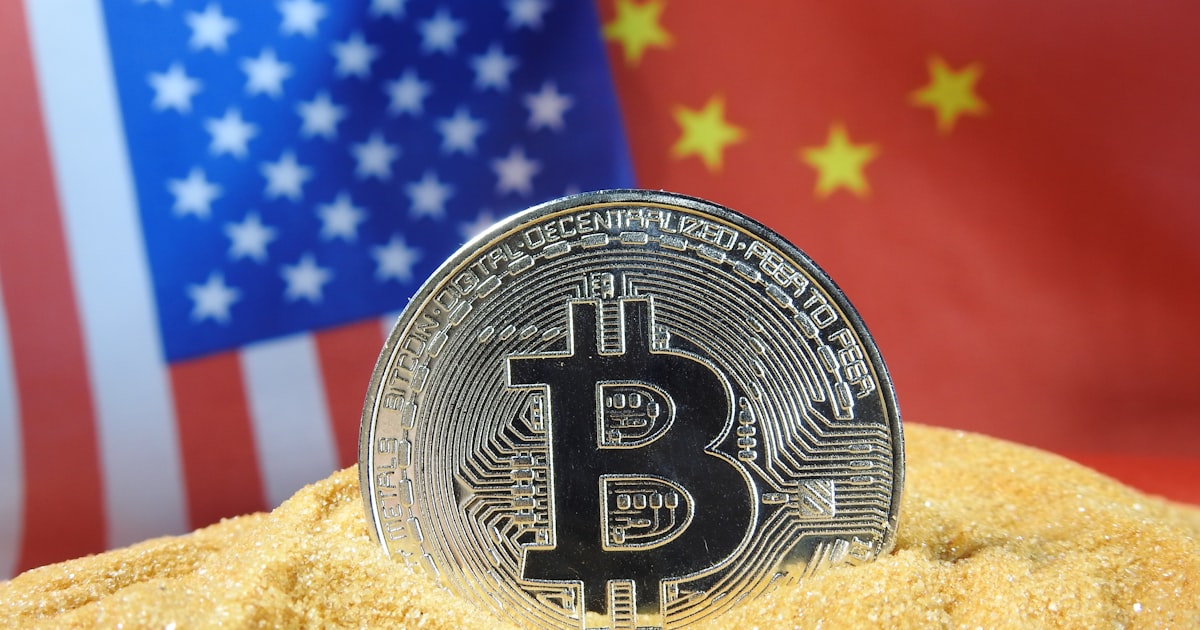
- 01Bitcoin jumped to $66K on news of a US-Iran peace deal regarding the Strait of Hormuz.
- 02Geopolitical de-escalation typically reduces safe-haven demand, but crypto moved in the opposite direction.
- 03The move highlights how macroeconomic and political events directly influence cryptocurrency valuations today.
- 04Investors should monitor whether this signals a broader shift in risk sentiment across markets.
Bitcoin Hits $66K as Geopolitical Tensions Ease
Bitcoin surged to a two-week high near $66,000 on Monday following President Trump's announcement of a peace deal between the United States and Iran over shipping through the Strait of Hormuz. According to CoinTelegraph, the move caught many traders off guard. Most assumed geopolitical de-escalation would push investors toward traditional safe havens, not digital assets.
But that's not what happened.
The crypto market's reaction reveals something deeper about how investors are pricing risk these days. A reduction in Middle East tensions typically benefits risk assets broadly—equities, commodities, emerging market debt. Bitcoin's climb suggests the market is interpreting this peace deal as a macro positive, not a reason to retreat from growth.
What Changed in the Crypto Market
The timing matters here. Bitcoin had been treading water for weeks, and this geopolitical development provided exactly the kind of catalyst traders were waiting for. CoinTelegraph reported the price action as directly tied to the announcement, with volume picking up noticeably in the hours after Trump's statement.
And there's an important distinction to make.
This isn't the first time we've seen macroeconomic or political news drive cryptocurrency prices. What's changed is the scale of the move and the legitimacy it's bringing to the asset class. Institutional investors—hedge funds, family offices, pension allocators—now actively monitor these kinds of signals. They're treating Bitcoin less like a speculative bet and more like a portfolio hedge against geopolitical uncertainty.
That shift has real consequences for valuations.
The Security Question Nobody's Asking Enough
Here's what's worth considering alongside this rally: Bitcoin's infrastructure is far more mature than it was five years ago, but it's not invulnerable. The cryptocurrency community has been grappling with emerging security vulnerabilities that don't get enough mainstream attention. Bitcoin quantum vulnerability proposals have been circulating in developer circles, and for good reason.
There's the bitcoin blockchain vulnerability angle—potential weaknesses in how transactions are verified and recorded. There's also bitcoin quantum vulnerability debate, which centers on whether quantum computers could eventually break Bitcoin's cryptographic security. Discussion threads on bitcoin vulnerability GitHub repositories suggest developers are taking these threats seriously, but the average investor doesn't know they exist.
Neither does the person buying at $66K.
Bitcoin core vulnerability assessments have improved, sure. Security audits are more rigorous. But the fact that we're still discovering and patching crypto vulnerability issues—sometimes years after they're identified—should make portfolio managers pause. This is particularly nasty because the fixes require network consensus, not just a software update.
What This Means for Your Portfolio
If you're sitting on Bitcoin, this rally is a win. The move from lower levels to $66K represents real gains. But the math gets complicated when you zoom out. Is Bitcoin pricing in lasting peace between the US and Iran? Or is this a short-term relief bounce that gets unwound if tensions spike again?
The honest answer: nobody knows.
What we do know is that Bitcoin's price is now explicitly tied to macroeconomic narratives. That's actually healthier than when it traded purely on hype. It means there are real fundamental inputs driving the asset. But it also means geopolitical risk—and yes, cryptocurrency vulnerability risks—matter for your allocation decisions.
Watch the next 48 hours closely. If Bitcoin holds above $65K, you're looking at a genuine shift in sentiment. If it fades back toward $63K, this was just noise. Either way, don't ignore the underlying security questions. They'll matter more when the market finally corrects.