Bitcoin Holders Accumulating Below $68K Despite Price Drop
Bitcoin long-term holders are buying the dip below $68K. Exchange withdrawals signal potential supply squeeze. Here's what it means for your portfolio.
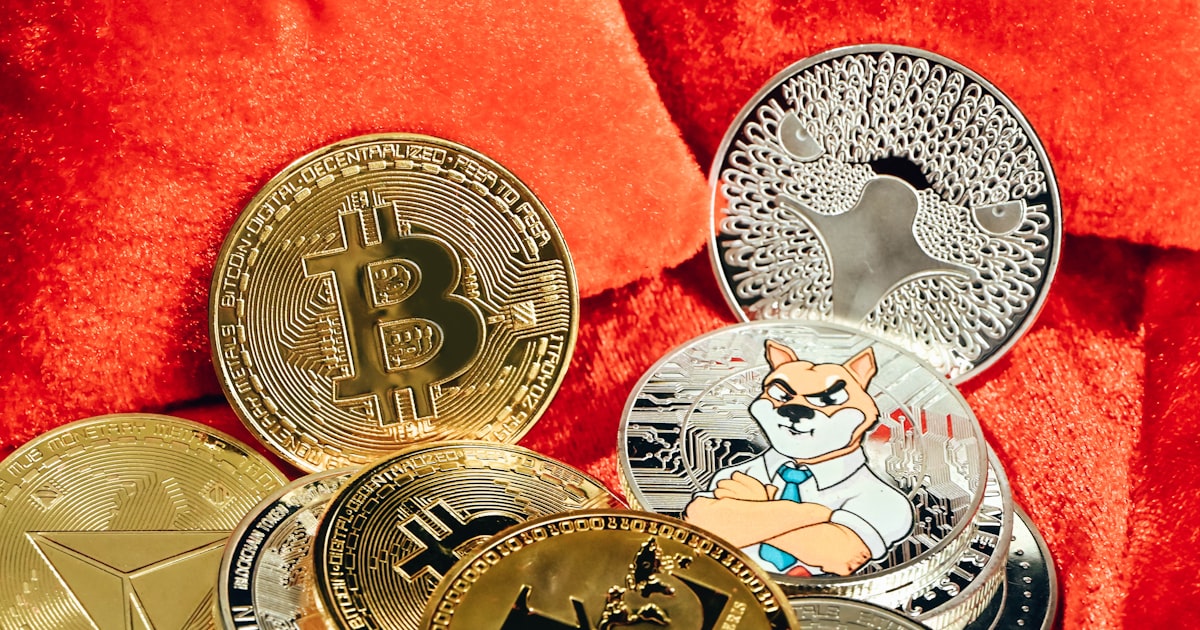
- 01Bitcoin long-term holders are buying the dip below $68K.
- 02Exchange withdrawals signal potential supply squeeze.
- 03Here's what it means for your portfolio.
Bitcoin Holders Are Quietly Buying While Price Drops—Here's Why That Matters
Your bitcoin holdings just lost thousands in value. Most people panic. But according to CoinTelegraph's recent analysis, something unexpected is happening: the people who've held bitcoin the longest are actually buying more.
So why does this matter to you?
Because these aren't day traders chasing quick profits. Long-term holders are the diamond-hands of crypto—they've survived multiple crashes, regulatory threats, and celebrity meltdowns. When they accumulate during a downturn, it's a signal worth paying attention to.
Bitcoin dropped below the $68,000 level this week, triggering the usual wave of doom-posting across social media. Yet simultaneously, something peculiar showed up in the blockchain data: increased exchange withdrawals. People were moving bitcoin off trading platforms and into personal wallets. That's the opposite of panic selling.
Here's what's actually happening.
Exchange withdrawals indicate accumulation. When holders move coins to cold storage or self-custody wallets, they're essentially taking bitcoin off the market's available supply. This creates what traders call a supply squeeze—less bitcoin available to buy means that future demand could push prices higher. It's basic economics dressed up in blockchain terminology.
CoinTelegraph reported that this conviction among long-term holders coincided with the price decline, which tells us something important: these aren't weak hands getting shaken out by volatility. They're positioning for what comes next.
But here's where security enters the picture. As more people move bitcoin to self-custody, they're taking on personal responsibility for protecting their coins. This is worth understanding because bitcoin security vulnerability isn't just theoretical. Real threats exist.
The main bitcoin vulnerability categories fall into three buckets: code vulnerabilities within bitcoin core, quantum computing threats, and human error (which honestly accounts for most losses). There's been increased discussion around bitcoin quantum vulnerability, particularly regarding a bitcoin quantum vulnerability proposal that researchers published on bitcoin vulnerability GitHub repositories. These aren't doomsday scenarios—they're legitimate engineering discussions about future-proofing the network.
But the immediate bitcoin cyber security risk facing most people right now isn't quantum computers. It's bitcoin cyber crime targeting individual wallets. Phishing attacks, malware, and social engineering cause far more losses than any bitcoin blockchain vulnerability ever will.
So what does this mean for you?
If you're considering moving bitcoin off exchanges following this trend, that's fine—but do it carefully. Understand where you're moving it. Hardware wallets are solid. Random third-party custody services? Less so. Don't rush this decision because prices dropped.
The real question is whether long-term holders accumulating at $68K are smart or early. History suggests they're often both. During Bitcoin's 2017 run-up, similar patterns appeared at lower prices. The people who kept buying through doubt emerged with significant gains.
That said, past performance means nothing. Bitcoin could test lower levels. The conviction displayed by long-term holders doesn't guarantee a quick reversal.
What it does suggest is that after years of regulatory pressure, infrastructure development, and network maturation, at least some sophisticated holders believe current prices offer genuine opportunity. And they're moving their coins to safety to hold them long-term.
If you're watching your portfolio bleed red, remember this: the holders who've survived multiple Bitcoin cycles aren't panicking. They're accumulating.