Bitcoin Hits $65K on Iran Peace Deal, Security Concerns Loom
Bitcoin climbs toward $65K following Trump's Iran peace announcement. Analysts debate quantum vulnerabilities amid crypto market recovery gains.
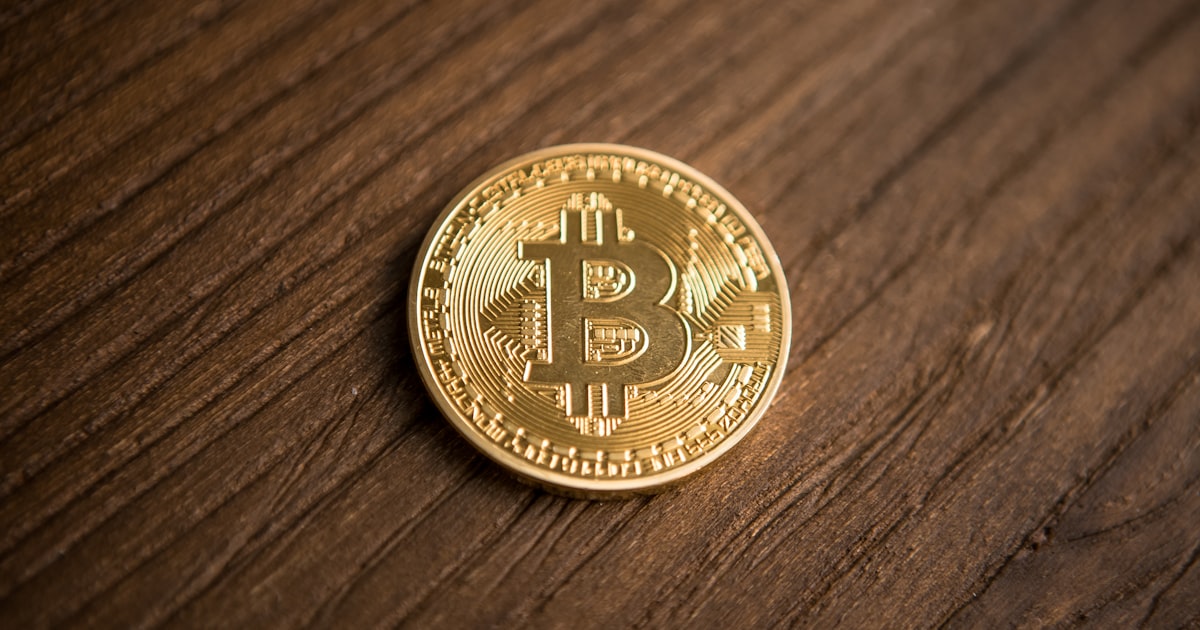
- 01Bitcoin is trading near $65,000 following geopolitical de-escalation with a potential US-Iran peace deal.
- 02Reduced geopolitical risk premiums are driving crypto market optimism and sustained recovery conditions.
- 03Security experts continue debating bitcoin quantum vulnerability risks and blockchain protection measures.
- 04Traders should monitor both geopolitical developments and emerging cryptocurrency vulnerability disclosures.
Bitcoin Rallies to $65K as Iran Peace Deal Reduces Market Risk
Bitcoin's climb toward the $65,000 mark isn't random. According to CoinTelegraph, the cryptocurrency's surge is directly tied to geopolitical developments—specifically, Trump's announcement Sunday that the Strait of Hormuz will "open to all" as part of an Iran peace deal. For everyday crypto holders and investors watching from the sidelines, this matters because geopolitical tension traditionally drives people into safe-haven assets. When global conflict risks drop, those safety premiums evaporate.
So why does this matter to your portfolio?
When governments reduce conflict rhetoric and move toward diplomacy, the market's "fear premium" shrinks. That's money that was sitting in defensive positions suddenly becoming available for riskier bets. Cryptocurrency, being highly sensitive to risk sentiment, tends to rally hard when this shift happens. CoinTelegraph reported that crypto market analysts are viewing current conditions as particularly favorable for sustained Bitcoin price recovery—not a one-day pop, but genuine upward momentum.
And here's the thing: this isn't just about headlines.
The de-escalation signals actual capital reallocation. When investors feel safer, they rotate out of treasuries and into growth assets. Bitcoin benefits from both the sentiment shift and the technical follow-through that comes with real money moving in.
The Security Question Nobody's Talking About Right Now
But while traders are celebrating, there's a separate conversation happening in developer circles that deserves attention. The bitcoin quantum vulnerability debate has intensified over the past year, and it's not going away. Unlike the temporary noise of geopolitical headlines, quantum computing threats represent a structural risk to the entire blockchain ecosystem.
Here's what's happening underneath.
Bitcoin's security architecture relies on cryptographic algorithms that current computers can't break. A sufficiently powerful quantum computer could theoretically crack these protections. This isn't a theoretical concern anymore—it's active enough that developers are now proposing and discussing actual solutions. Several bitcoin core vulnerability proposals have surfaced on platforms like Bitcoin Vulnerability GitHub repositories, where the community is stress-testing potential defenses.
The bitcoin quantum vulnerability proposal discussions are getting serious because the timeline is uncertain.
Nobody knows if quantum computers capable of breaking Bitcoin's encryption arrive in 5 years or 25 years. But the security community operates on the principle that you don't wait for the threat to materialize. That's what makes cryptocurrency vulnerability research so important right now—every discovery of a bitcoin blockchain vulnerability or bitcoin security vulnerability gets immediately stress-tested and patched.
This is particularly nasty because the fix has to be backwards-compatible. You can't just flip a switch on a decentralized network.
What Actually Changes for Holders
If you own Bitcoin, you're not sitting on a ticking time bomb tomorrow. The network's security remains intact for the foreseeable future. But the developers working on Bitcoin Core are actively researching quantum-resistant algorithms and stress-testing them against the blockchain's architecture.
So what happens next?
Expect to see more bitcoin core vulnerability assessments and cryptocurrency vulnerability disclosures as this research matures. These won't be panic-inducing announcements—they'll be technical discussions about preparedness. The real question is whether Bitcoin's community can implement quantum-resistant upgrades before quantum computers become powerful enough to pose actual risk.
For right now, ride the geopolitical tailwind that's pushing Bitcoin toward $65K. But keep one eye on the security developments happening in the background. The market's celebrating a peace deal. The developers are planning for a very different kind of future.