Bitcoin Accumulation Opportunity: RSI Signals Whale Buying
Analysts spot potential Bitcoin accumulation setup despite $60K downside risk. Record-low RSI readings and institutional whale activity suggest contrarian buying opportunity.
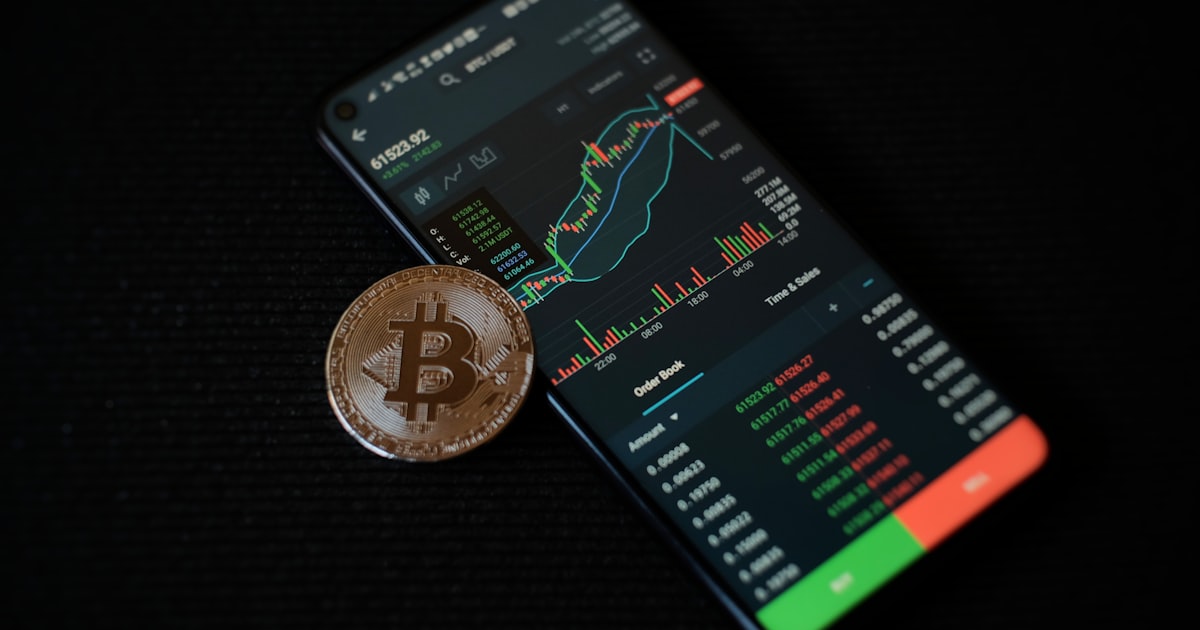
- 01Analysts spot potential Bitcoin accumulation setup despite $60K downside risk.
- 02Record-low RSI readings and institutional whale activity suggest contrarian buying opportunity.
Bitcoin's 'Best Thesis' for Accumulation Emerges Amid Downside Pressure
According to CoinTelegraph, a notable analyst has identified what they're calling the "best thesis" for Bitcoin accumulation right now—despite expectations that the cryptocurrency could fall further below $60,000. This contrarian perspective highlights the tension that defines crypto markets: fear and opportunity often occupy the same moment.
The setup hinges on two technical pillars. First, Bitcoin's Relative Strength Index (RSI) has hit record-low readings. This matters because extreme RSI values typically signal oversold conditions, where selling pressure has exhausted itself and reversal potential increases. Second, whale activity—large institutional and individual holders—has picked up noticeably during these dips.
And here's what makes this interesting.
Whale accumulation during weakness historically precedes price recoveries. These aren't retail traders panic-selling at market lows; these are sophisticated actors with deep pockets betting on future upside. When they buy into red candles, it's worth paying attention.
But the analyst didn't ignore downside risk. That's crucial context. The thesis doesn't predict immediate recovery. Instead, it suggests that even if Bitcoin descends toward or below $60,000, the confluence of oversold technicals and institutional buying could create a powerful foundation for a longer-term accumulation phase.
So why does this matter beyond Bitcoin price speculation?
Markets operate in cycles. Every major bull run gets preceded by accumulation periods that feel painful to live through. Investors watch prices fall, sentiment turns toxic, and everyone questions their conviction. Then, months later, they realize that period of weakness was actually the opportunity.
The real question is whether this moment represents genuine distribution by panicked sellers or strategic positioning by smart money. The whale activity suggests the latter. When institutional actors deploy capital into weakness—especially at technical extremes like record-low RSI—they're typically positioning for multi-month or multi-quarter moves.
Consider the parallels to cybersecurity markets during volatile periods. The best cyber security companies aren't those that panic-sell during recessions; they're the ones that invest in innovation when competitors retrench. Similarly, the best cyber attack countries and sophisticated threat actors show greatest activity during periods of chaos. The principle holds: informed actors move when conditions look worst.
This Bitcoin thesis follows similar logic.
Technical traders will monitor whether Bitcoin establishes support around current levels. If whale accumulation continues and RSI bounces from these lows without fresh price lows, that's confirmation the thesis is working. Conversely, if prices collapse below $60,000 without whale buying intensifying, the setup breaks and new support levels need testing.
CoinTelegraph's coverage captures market sentiment at a fascinating inflection point. We're watching institutional behavior patterns, not just price action. And that behavioral data—who's buying when others fear—often tells a better story than any single technical indicator.
For Bitcoin holders evaluating whether to hold, accumulate, or reduce exposure, this analyst perspective offers a framework: extreme technicals combined with institutional buying create asymmetric risk-reward scenarios. That doesn't guarantee outcomes, but it does explain why sophisticated market participants take these "worst moment" opportunities seriously.
The next few weeks will clarify whether this thesis holds merit or collapses.