Binance Alpaca Revenue-Sharing Deal 2026
Binance disclosed a 50% revenue-sharing agreement with Alpaca. Here's what this crypto-fintech partnership means for your investments and security.
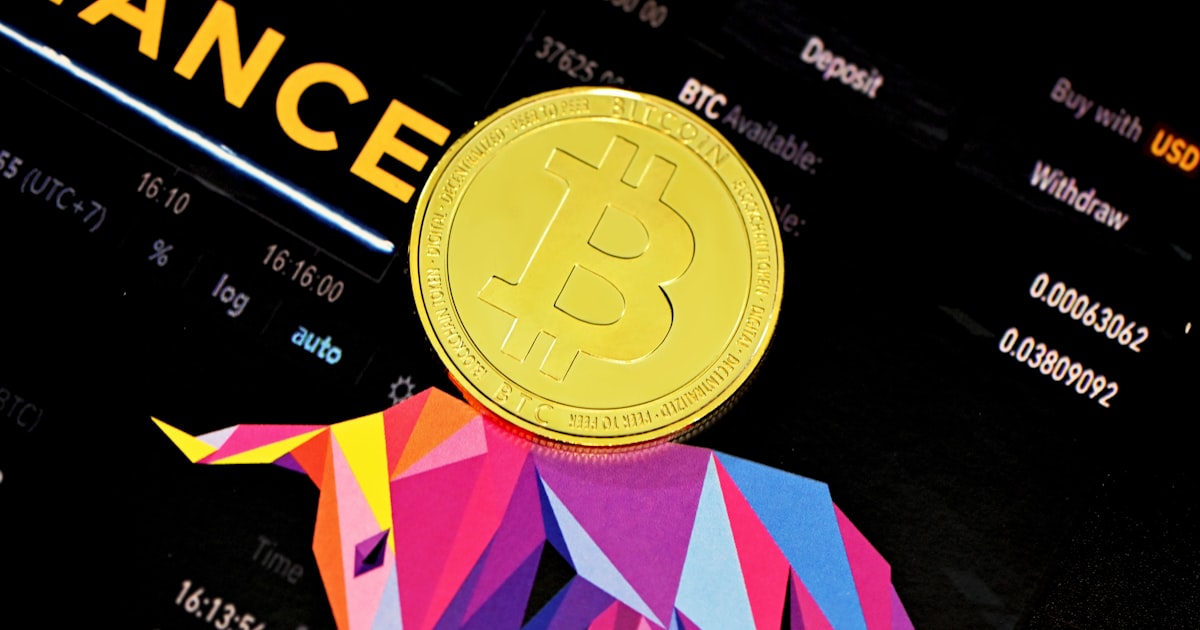
- 01Binance disclosed a 50% revenue-sharing agreement with Alpaca.
- 02Here's what this crypto-fintech partnership means for your investments and security.
Binance and Alpaca Just Made a Big Financial Deal—Here's Why You Should Care
Crypto and stock trading just got a little closer. CoinTelegraph reported that Binance has inked a revenue-sharing agreement with Alpaca, the popular stock custodian platform, whereby Binance receives 50% of Alpaca's order flow revenue. It sounds technical. But what it really means is two major financial platforms are now formally partnered—and that affects how your trades flow through the system.
So why does this matter? Because order flow is money. When you buy a stock through Alpaca, that transaction data and execution opportunity has value. Alpaca's been sharing that with market makers for years. Now Binance gets a cut. That's not just a partnership—it's a significant revenue stream for both sides, and it signals something bigger: traditional finance and crypto are stop pretending they're separate worlds.
Let's break down what's actually happening here.
The Deal Explained Simply
Alpaca runs a stock trading platform where retail investors buy and sell equities. Every order that flows through their system has a paper trail and an execution point. Market makers—firms that help execute trades—pay for that order flow data because it's predictive and profitable. Historically, Alpaca kept all that revenue or split it with various partners.
Now Binance is in the mix.
This partnership does two things simultaneously. First, it gives Binance access to a steady stream of stock trading activity and revenue from a regulated U.S. financial platform. Second, it positions Alpaca as increasingly connected to the crypto ecosystem, blurring lines that regulators have spent years trying to draw. Neither company is buying the other or merging operations. They're just making money together on every stock trade Alpaca executes.
What This Means for Your Portfolio
If you trade stocks through Alpaca, your orders might now indirectly benefit Binance's bottom line. You probably won't notice a difference in execution speed or pricing—these kinds of revenue-sharing deals usually don't move the needle for individual traders. But it's worth understanding that your brokerage isn't operating in isolation anymore.
The real question is whether Binance's involvement creates any conflicts of interest. Alpaca's been careful about maintaining its standing as a straightforward custodian. Pairing up with a massive crypto exchange could blur that image, even if the financial mechanics are clean.
The Security Angle Nobody's Talking About
Here's where things get uncomfortable. Both Binance and Alpaca handle serious money, which means they're targets. Can someone hack Binance? Theoretically, yes—every financial platform is vulnerable. Binance has faced cyber attacks before. They've beefed up their cyber security operations, hiring for cyber security jobs and running cyber security camps to train the next generation of defenders. But integration always creates risk.
When two platforms share revenue and data, they're also creating new connection points. If Alpaca's security is aggressive about protecting user data but Binance's defenses have gaps, that's a problem. We don't know if Alpaca vulnerability testing happens jointly with Binance now or if they're keeping their security stacks separate. The answer matters.
And then there's the regulatory question. Crypto platforms and traditional brokers operate under different rules. A deeper partnership could trigger scrutiny from the SEC, which has been increasingly skeptical of crypto-finance crossovers.
What You Should Do
If you're an Alpaca user, don't panic. This deal doesn't change your account security or your ability to trade. But do verify your two-factor authentication is enabled and review your account settings. If you use Binance, same advice applies.
Watch how regulators respond. If the SEC pushes back on this partnership, it could signal tighter rules ahead for crypto-finance bridges. That affects everyone trading either platform.
Finally, understand what you're actually using. You're not just trading stocks or crypto anymore—you're part of an increasingly interconnected financial ecosystem where your data, your orders, and your activity have value that flows between companies you didn't necessarily authorize to share information.