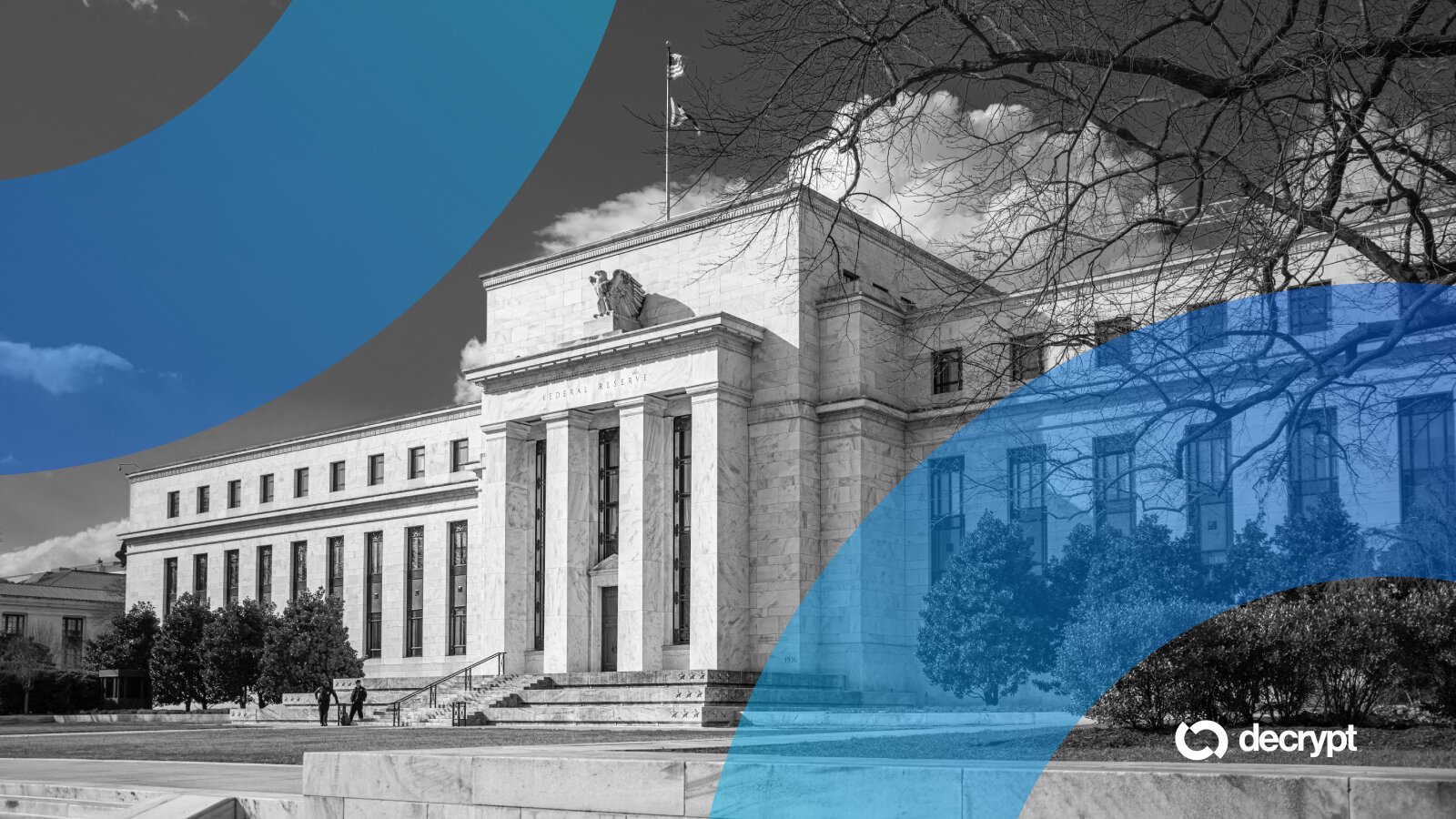
Fed Governor Barr Demands Tighter Stablecoin Regulations to Combat Money Laundering
Federal Reserve Governor Michele Barr has called for significantly stricter regulatory controls on stablecoins, citing serious money laundering risks that currently plague the digital asset ecosystem. According to Decrypt, Barr's statement marks a pivotal moment in how Washington views the crypto sector—and it's not a vote of confidence.
The real question is whether the crypto industry will accept these guardrails voluntarily or fight them tooth and nail.
Stablecoins, those digital tokens pegged to real-world assets like the U.S. dollar, have exploded in popularity over the past few years. They're everywhere now. But that growth has come with a problem: they've become attractive vehicles for money laundering, sanctions evasion, and other financial crimes that regulators simply can't ignore anymore.
Barr's position carries considerable weight at the Federal Reserve. When someone in her position speaks, financial institutions listen—or they should, anyway.
The Fed has been relatively quiet on crypto compared to some other agencies, but this intervention signals a shift. Barr isn't just musing about potential risks; she's demanding action. The controls she's advocating would likely include enhanced know-your-customer (KYC) requirements, transaction monitoring systems more sophisticated than what most stablecoin issuers currently maintain, and stricter reserve backing standards.
And here's what makes this particularly nasty: stablecoin issuers don't have a unified regulatory framework right now. They're operating in a patchwork of state money transmitter laws, some federal guidance, and a lot of legal gray area. Adding Fed-level oversight could fundamentally change how these companies operate.
For stablecoin issuers, the implications are immediate and serious. Companies like Circle, Tether, and others that dominate this market will face pressure to implement expensive compliance infrastructure they may have been able to avoid until now. That's millions in new operational costs. Smaller competitors might struggle to comply and could be forced out of the market entirely.
So why does this matter for ordinary investors and crypto users?
Because stablecoins aren't just tools for speculators anymore. They're used in remittances, international trade, and as collateral in DeFi protocols. If regulatory pressure shrinks the stablecoin market or reduces competition, it could affect liquidity and potentially increase costs for anyone using these tokens.
There's also a broader security angle here that ties into fed cyber security concerns. As regulators tighten controls on stablecoins, there's an underlying question about whether enhanced oversight will make the ecosystem more vulnerable in other ways. Will there be a cyber attack targeting newly regulated stablecoin infrastructure as criminals adapt their tactics? The Fed hasn't publicly addressed this risk, but it's something security experts are watching closely.
Barr's call for action comes at a time when the crypto industry is already dealing with increased scrutiny from Congress, the SEC, and other agencies. The push for stablecoin regulation isn't new, but having the Fed actively champion it gives the movement serious momentum.
The next move belongs to Congress. They could codify stablecoin requirements into law, which would establish consistent national standards. Or they could leave it to the Fed and other agencies to regulate through guidance and enforcement, which would be messier but potentially faster.
Either way, the era of stablecoins operating in regulatory no-man's-land is ending. Barr just accelerated that timeline significantly.