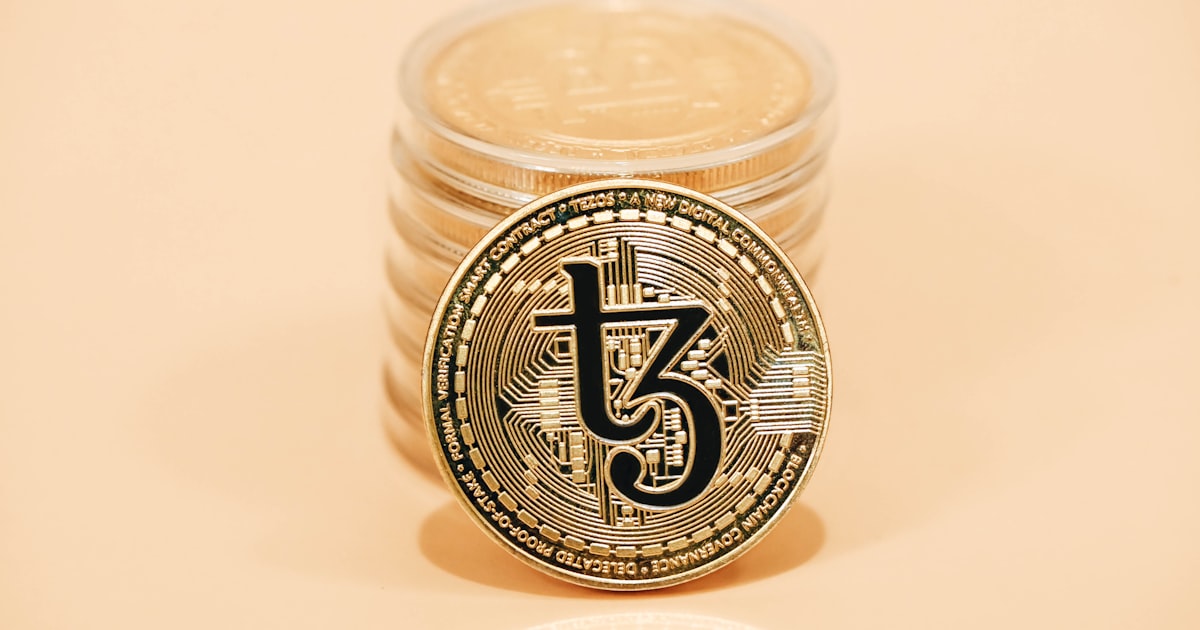
Trezor Launches Native Stablecoin Yields Through Morpho Integration
Hardware wallet provider Trezor just rolled out a feature that's been on the wish list of yield-hungry crypto users for years. The company has integrated Morpho protocol, allowing customers to generate yields on USDT and USDC directly within Trezor Suite. No external wallet connections. No jumping between platforms. Just native yield generation from your hardware wallet.
This is a substantial move.
CoinTelegraph reported the integration this week, marking one of the most significant feature expansions Trezor has announced in recent memory. For a hardware wallet manufacturer—a company built on the premise of storing crypto safely and securely—adding yield functionality represents a philosophical pivot toward becoming a full-fledged financial platform.
The appeal here is obvious. Millions of users hold stablecoins for stability and liquidity. Until now, those assets just sat there, earning nothing. Morpho changed the game by creating an open lending protocol where users can deposit stablecoins and earn variable or fixed yields. By embedding this directly into Trezor Suite, the wallet provider is giving users access to those yields without compromising the security model that makes hardware wallets valuable in the first place.
But let's address the elephant in the room.
When any wallet provider adds new functionality, security concerns inevitably surface. People wonder: can Trezor be hacked? Did Trezor get hacked? Has there been a trezor critical vulnerability? These aren't paranoid questions—they're sensible ones. The addition of yield features introduces new complexity and potential attack vectors.
Trezor's track record is solid. The company hasn't suffered a major breach in the way some competitors have. Still, the company did issue a trezor critical vulnerability notice a few years back, prompting some users to check their inbox for security alerts. That incident underscores why people pay attention when wallet providers make substantial changes.
What Trezor appears to have done here is keep the actual stablecoin holdings within the wallet's security model while routing yield generation through Morpho's protocol. The user maintains custody. The private keys never leave the device. That's the promise, anyway.
Now, here's a question worth asking: is USDC safer than USDT? Is USDT even a security? These distinctions matter less than they used to.
Both USDT and USDC are regulated stablecoins, though they operate under different frameworks. USDC has cleaner regulatory clarity in some jurisdictions. USDT has been around longer and dominates by volume. Neither is a security in the traditional sense—they're designed as stable stores of value, not investment contracts. Whether USDT is safe depends more on which issuer you trust and what regulatory environment you prefer. Most users accept both as legitimate payment rails at this point.
For Trezor users, the ability to earn on both simultaneously means they don't have to choose.
The broader implication here cuts deeper than just feature parity with other platforms. This move signals that hardware wallet manufacturers are tired of being relegated to cold storage only. They're expanding into wealth management territory. That could reshape how people think about where to keep their assets and what kind of returns they can generate while doing so.
And yet: new features introduce new friction. Users need to understand what they're doing. They need to grasp the yield mechanics. They need to know that yield farming carries its own risks, separate from custody risks.
If you're using Trezor and considering this feature, start small. Test it with amounts you're comfortable with. Monitor your yield accrual. This isn't your grandfather's savings account—it's DeFi wrapped in a hardware wallet.