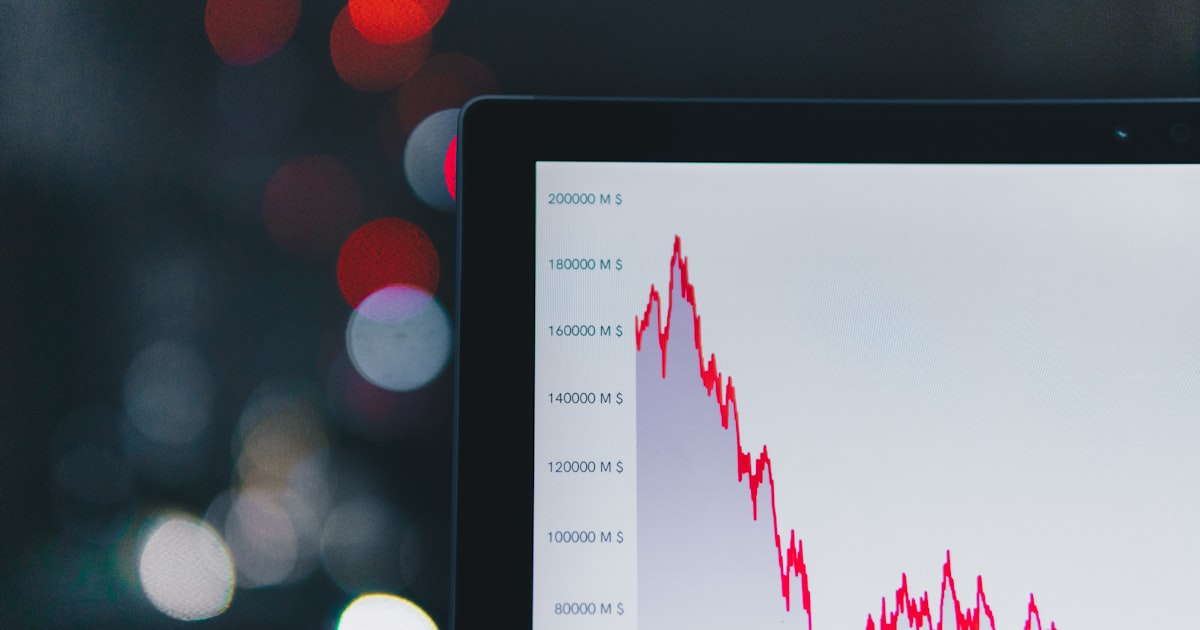
Stock Market Futures Slide as Geopolitical Tensions Push Oil Prices Higher
Futures are in the red. The Dow, S&P 500, and Nasdaq all pointing downward as oil jumps on escalating US-Iran tensions, according to Yahoo Finance reporting on May 17 trading activity. This isn't some algorithmic glitch or Fed speculation—it's a straightforward macroeconomic reaction to real geopolitical risk.
When oil prices spike, everything ripples. Transportation costs climb. Manufacturing becomes more expensive. Consumer goods follow suit. The market's reaction makes sense.
Energy stocks, of course, are benefiting. But broader equity indices are taking the hit because investors understand the math: higher energy costs compress profit margins across almost every sector. Airlines suffer. Retailers suffer. Even technology companies feel it through their supply chain costs and operational expenses.
So why does this matter beyond today's trading session?
Because oil volatility tied to geopolitical events creates the kind of uncertainty that makes investors nervous. Nobody knows how this plays out. Will tensions de-escalate? Will sanctions follow? Could there be actual military action? These unknowns drive people to safer positions—bonds, gold, cash. That's capital leaving equities.
The broader story here connects to something rarely discussed in mainstream market coverage: cybersecurity vulnerabilities in critical infrastructure. The Department of Energy and major oil producers have faced sophisticated cyber attacks in recent years, and frankly, that's a vulnerability that could exacerbate any physical disruption. Download vulnerability assessments from any major energy consulting firm and you'll see the risks are real. A coordinated cyber attack during an already tense geopolitical moment could send oil to places we haven't seen in years.
But let's focus on what's actually happening now.
The Dow Jones Index by Day shows clear weakness across the board. Blue-chip names are getting hit just like mid-caps. This isn't selective selling—it's broad-based risk-off sentiment. Investors aren't cherry-picking winners; they're reducing overall exposure until there's clarity.
What does this mean for your portfolio?
Short-term traders might see opportunities in the volatility. Longer-term investors probably shouldn't panic. Geopolitical shocks tend to be temporary, and oil markets usually stabilize once the immediate headline risk fades. But that's different from saying nothing matters. If you're heavily weighted toward energy-dependent sectors—retail, transportation, chemical manufacturing—this is a real headwind.
And then there's the question of market structure itself. The faster we move toward automated trading and algorithm-driven responses, the more violent these swings become. A 2% futures drop on a geopolitical event might have been noteworthy five years ago. Today it's barely moving the needle in terms of intraday volatility. The market's tolerance for bad news has shifted.
That's six months of accumulated tension that suddenly found an outlet.
The real question is whether this becomes a sustained correction or just noise. History suggests that unless the geopolitical situation actually escalates into something tangible, oil will settle down within days. But oil traders aren't betting on restraint right now. Volatility premiums are climbing. Hedging costs are rising.
For investors watching this unfold, the key insight isn't about predicting headlines—it's about understanding how your holdings respond to energy price shocks. Do you have enough diversification? Are you overexposed to sectors that can't absorb higher input costs? These are the questions worth asking before the next geopolitical headline hits the wire.