South Korea's Crypto Exodus: $42 Billion Disappears in a Year
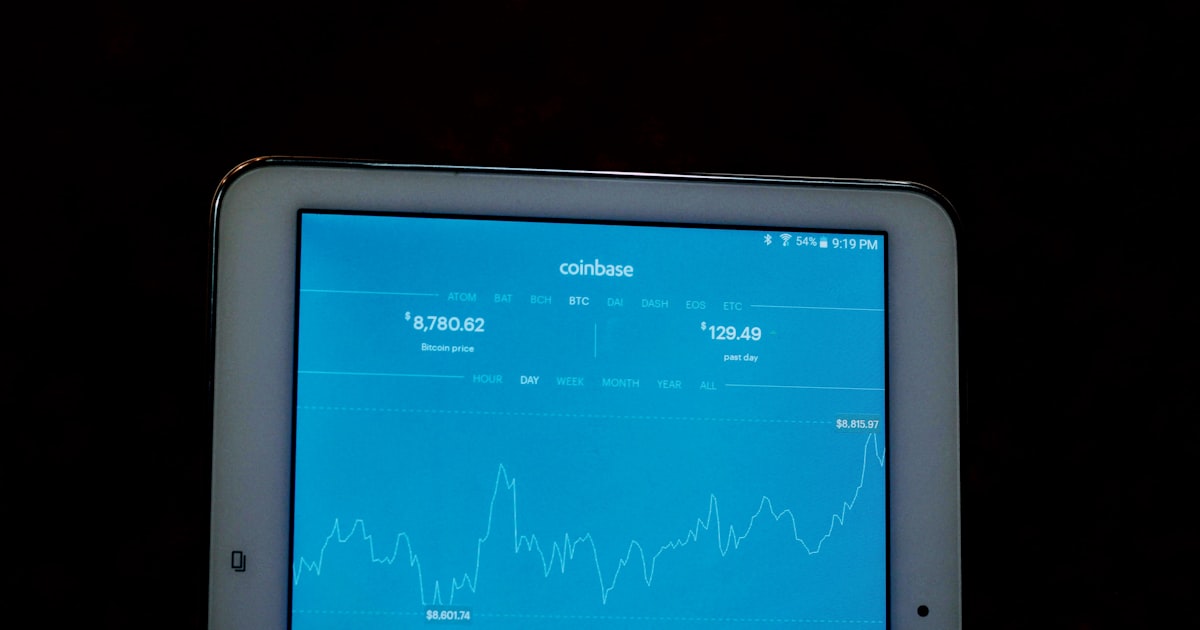
The numbers are stark. According to CoinTelegraph, South Korean cryptocurrency holdings crashed from $83 billion to $41 billion over twelve months. That's a 50% evaporation. And it tells us something crucial about where retail money is flowing—away from digital assets and straight into the equity market.
For context, South Korea isn't some minor player in crypto markets. It's consistently ranked among the top three countries by trading volume and retail adoption. When Seoul moves, the rest of the industry watches. So this isn't just a local story.
The shift coincides with a notable recovery in South Korea's stock market, particularly in major tech holdings. Samsung South Korea stock price has been on an upward trajectory this year, while SK Hynix South Korea stock price has attracted renewed investor interest as the chip industry stabilizes from previous downturns. The iShares South Korea stock price index has also seen increased inflows.
But here's what matters: this represents a fundamental reallocation of retail capital. It's not panic selling. It's deliberate portfolio rebalancing.
Why would investors abandon crypto when the broader market narrative still includes bullish long-term projections? Several factors converge here. First, traditional equities offer dividend yields and tangible earnings reports—things crypto fundamentals still struggle to compete with. Second, South Korea's tech sector is experiencing genuine operational momentum, with major manufacturers reporting solid quarterly results. Third, and this matters more than people admit, regulatory clarity around stocks vastly exceeds regulatory clarity around digital assets.
The broader question is whether this signals a sustainable shift or a temporary cyclical rotation. Look at the timing: this occurs after crypto's 2023-2024 euphoria has cooled somewhat, but before the next major bull cycle typically materializes.
There's also an element of sophistication here worth noting. South Korean retail investors aren't unsophisticated. They're responding to genuine macroeconomic signals—inflation stabilization, corporate earnings visibility, and currency stability that makes foreign investment less attractive than domestic holdings.
For portfolio managers, the implication is clear: the risk-on capital that previously cycled through crypto is now settling into more traditional wealth preservation vehicles. That's not bearish per se. It's just reality.
And then there's the geopolitical dimension nobody's talking about enough. Concerns about South Korea cyber attack incidents, including the 2013 banking sector breach and more recent 2024 reconnaissance activities, have made institutional investors particularly cautious about digital asset custody. When your infrastructure faces persistent nation-state level threats, hardware wallets and exchange security become existential questions. The country's noted South Korea chip industry vulnerability amplifies these concerns—if semiconductors can be targeted, so can crypto infrastructure.
Is South Korea safe for foreigners investing there? Absolutely. Is South Korea safer than America for certain assets? That's complicated. But for digital assets specifically, the cyber threat landscape does factor into institutional decision-making.
The real question is what happens next. Will this capital ever return to crypto, or has the market matured enough that traditional equities simply offer better risk-adjusted returns for this demographic? The answer probably depends on whether crypto can build yield mechanisms and regulatory frameworks that rival what stocks already provide. Until then, expect more capital to follow the path these South Korean investors just blazed—toward tangible companies, dividends, and less spectacular but more predictable returns. Hyundai South Korea stock price and other automotive holdings have also benefited from this rotation, suggesting the shift spans multiple sectors beyond just semiconductors.