Crypto Is Growing Up—And Retail Traders Are Heading for the Door
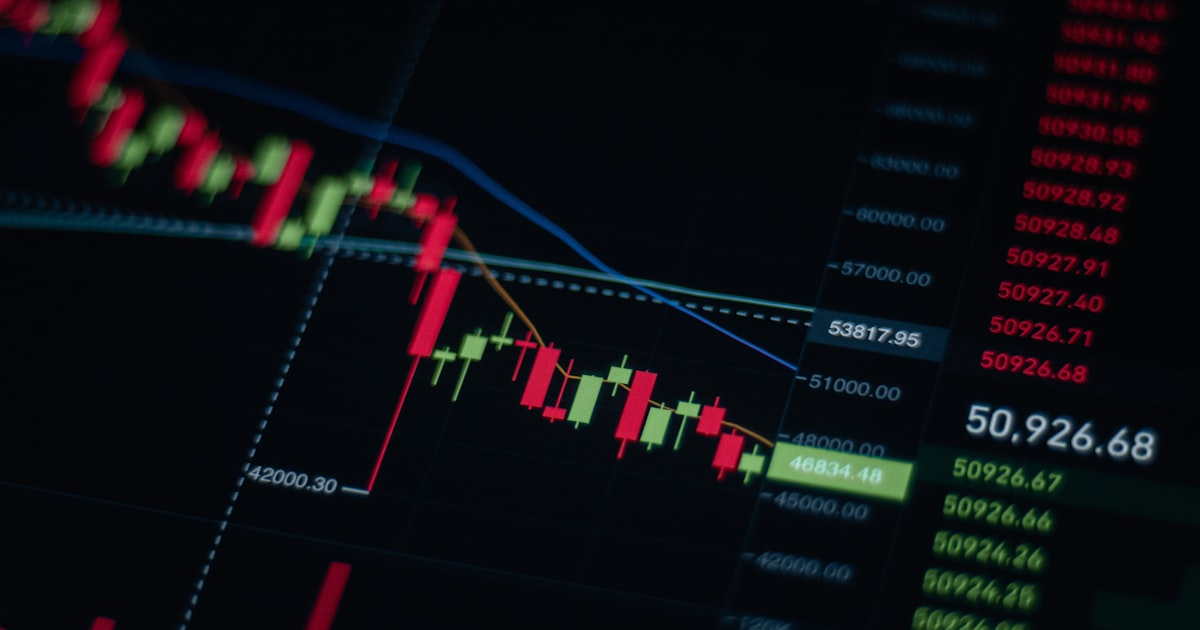
The cryptocurrency market is experiencing a fundamental shift in who's buying and selling. According to Decrypt's latest market analysis, retail traders—the everyday investors who once drove crypto's explosive moves—are quietly exiting the space. The culprit? Reduced volatility and the unmistakable rise of institutional money.
This isn't exactly shocking news for anyone paying attention to market structure over the past few years. But it matters more than you'd think.
Back when bitcoin was a $10,000 asset class, wild 30% daily swings weren't unusual. Fortunes were made and lost between breakfast and lunch. That environment? It attracted a very specific type of participant: people willing to gamble, hunting for outsized returns in compressed timeframes. The volatility wasn't a bug. It was the whole feature.
Then something changed.
Spot bitcoin ETFs launched. Pension funds started allocating. Major corporations added crypto to their balance sheets. And with each wave of institutional adoption, the market became less chaotic, more predictable, more boring to the retail crowd that built the ecosystem in the first place. Decrypt's reporting captures exactly this dynamic—as institutions have stepped in, they've brought their preference for stability and lower volatility along with them.
So why does this matter? Because volatility and retail participation are historically linked. When you remove one, the other tends to follow.
High volatility creates opportunity for skilled (or lucky) traders to exploit price dislocations. It generates urgency. It makes a $500 bet feel like it could become $5,000 by Thursday. Institutional investors don't think that way. They care about correlation, beta, and long-term portfolio positioning. They're not looking for the next 10x. They're looking for 5-8% annual returns with lower drawdowns.
The historical precedent here is worth examining. When equities matured during the 20th century, retail participation actually increased due to democratization—401(k)s, index funds, commission-free trading. But crypto is different. The early retail participants weren't drawn to crypto because it offered stable, boring returns. They came for the volatility and the narrative of wealth creation that volatility enables.
And now that narrative is changing.
What's particularly interesting is the timing. We're watching crypto transition from a speculative asset class to an institutional asset class in real time. That transition isn't smooth. There are winners and losers. The traders who built this market on 50x leverage and 24/7 trading opportunities? Many are finding the new environment doesn't suit them. The institutions moving in see a maturing market where they can build positions without moving the market against themselves.
This creates a structural question worth asking: if retail traders are the ones leaving, who's going to provide the counter-narrative? Who's pushing back against institutional consensus? Who's taking the contrarian bets that, historically, drive market discovery?
The answer probably isn't comforting. Reduced retail participation could mean less price discovery, less debate about crypto's fundamental value, and markets increasingly shaped by a handful of large institutional players. That's not necessarily bad—it's more stable—but it's definitely different from what came before.
For traders considering their positions, the news here is straightforward: if you're chasing volatility, you're playing a game where the rules keep changing in favor of bigger, more patient players. The crypto market that made millionaires out of college dropouts five years ago isn't the same market anymore. It's growing up. And growth, frankly, isn't always exciting.