Pepe Knocks on Wall Street's Door—But Nobody's Answering
Another day, another meme coin dreaming of legitimacy. A Pepe-based ETF application hit regulators' desks recently, according to Decrypt, marking yet another attempt to drag retail-driven cryptocurrency into the institutional mainstream. The filing itself generated predictable buzz in crypto circles. But here's what actually matters: the market's reaction has been decidedly cold.
This isn't happening in a vacuum.
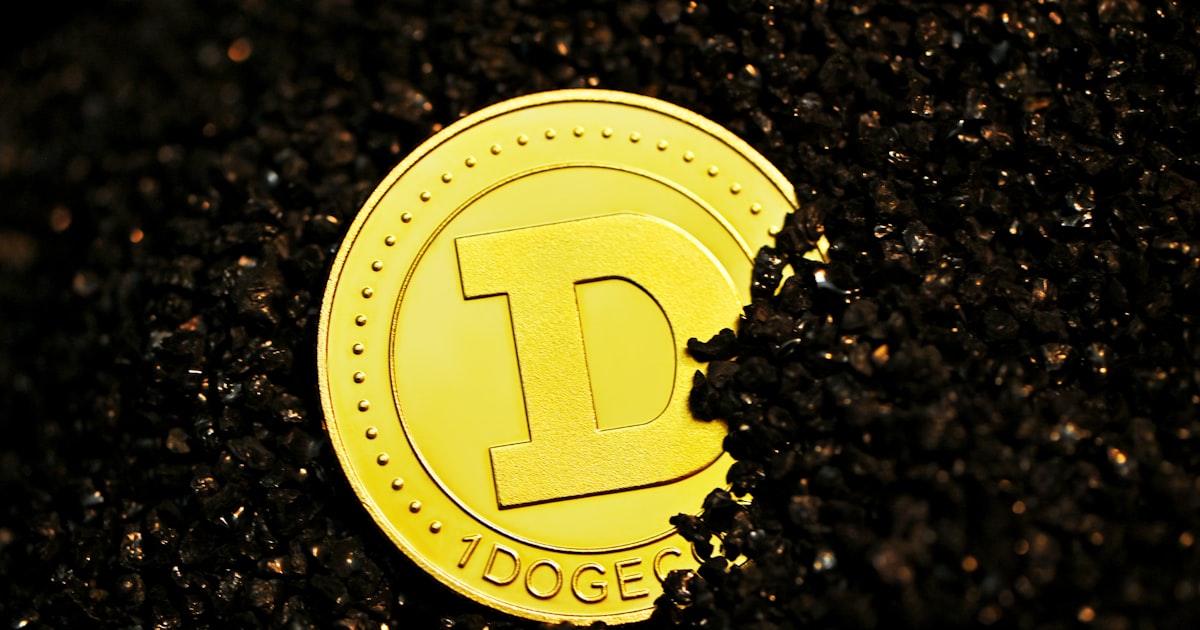
Dogecoin already paved this road. The original meme coin secured ETF approval and access to traditional investor portfolios, exactly what boosters claimed would unlock massive capital inflows. Except it didn't. Dogecoin ETFs have underperformed expectations, attracting lukewarm institutional interest despite years of retail hype. When the thing you've been promised finally arrives, and nobody particularly wants it, that tells you something important about what Wall Street actually thinks about meme coins.
So why does this matter for your portfolio?
Because the Pepe filing exposes a widening gap between retail expectations and institutional reality. Retail investors see meme coins as tickets to wealth. Institutions see them as volatility with limited fundamental value—products they'll offer because it's profitable to do so, but not because they believe in the underlying assets. The distinction matters enormously. When Dogecoin ETFs failed to generate the institutional enthusiasm promoters predicted, it signaled something: even with regulatory approval and mainstream accessibility, meme coins aren't cracking the institutional investment thesis.
There's another layer worth examining.
The crypto sector's relationship with Wall Street has always been complicated, and recent developments elsewhere haven't helped. Consider the parallels to cybersecurity concerns—famous cyber security attacks have repeatedly targeted financial institutions, and wall street cyber attack preparedness remains a persistent headache for regulators. Wall Street Journal cyber security coverage has documented how firms like Stryker and others have grappled with breaches that exposed vulnerabilities in their infrastructure. The real question is whether institutional investors are growing more cautious across multiple risk vectors simultaneously, including digital assets.
And frankly, that skepticism seems justified.
Meme coins lack the cash flow models, revenue streams, or fundamental metrics that underpin serious investment decisions. They're products born from internet culture, not balance sheets. Institutions will distribute them because there's demand from retail clients and regulatory approval now exists. But they won't build investment theses around them. That's the crucial distinction.
The Dogecoin ETF experience suggests this pattern will repeat with Pepe.
Initial filing generates excitement. Regulatory approval arrives. Institutions offer the product. Retail investors trickle in. But the explosive institutional capital flows that crypto advocates predicted? They won't materialize. Not because the infrastructure isn't there—it is. But because Wall Street differentiates between products it will sell and assets it will actually buy for its own portfolios or recommend to sophisticated clients. Meme coins will remain predominantly the former.
For portfolio managers, the practical takeaway is straightforward: don't mistake regulatory approval and market accessibility for institutional validation. A Pepe ETF filing is a governance event, not a fundamental transformation. It creates opportunities for retail speculation and management fees for financial firms. It doesn't create a compelling case for serious money. The Dogecoin precedent has already shown us how that particular story ends.