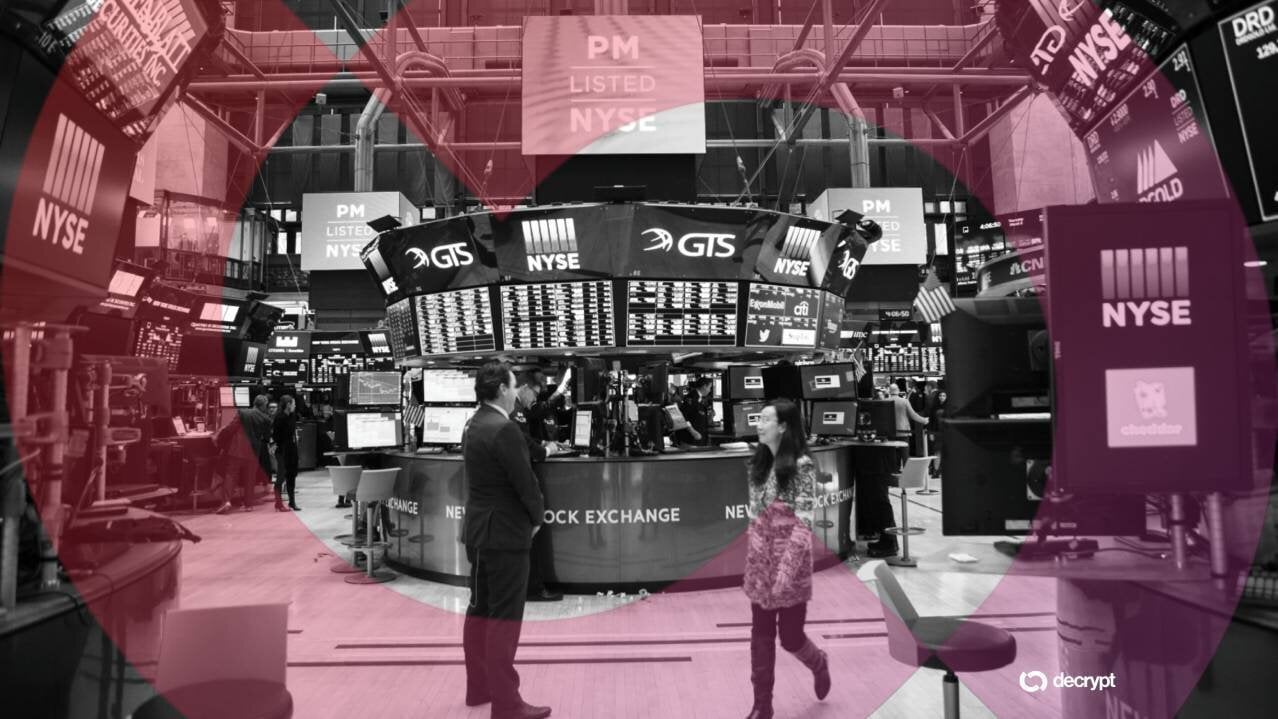
NYSE Just Entered the Crypto Game—Here's What It Means
Markets moved. On March 6, news broke that the New York Stock Exchange—America's oldest and most established financial institution—had acquired or invested substantially in a major cryptocurrency exchange. Decrypt reported the development, and within hours, Bitcoin rallied nearly 3%, while several major altcoins followed suit. This isn't hype. This is institutional capital making a concrete bet on crypto infrastructure.
So why does this matter beyond the immediate price action?
Because this represents a fundamental shift in how Wall Street views cryptocurrency. The NYSE isn't some scrappy fintech startup testing the waters. It's the exchange operator behind $23 trillion in annual trading volume, owned by Intercontinental Exchange (ICE), a company that answers to institutional investors, regulators, and major corporations. When an entity like this moves into crypto, it's signaling that the space has matured enough for serious institutional infrastructure.
But let's be clear about what's actually happening here.
The crypto space has been fragmented and chaotic. Major exchanges like Coinbase, Kraken, and Binance operate in a regulatory gray zone, constantly worried about enforcement actions, capital controls, and technical incidents. They're profitable but perpetually embattled. The NYSE's entry—whether through acquisition or significant investment—suggests these exchanges need the legitimacy, compliance expertise, and market infrastructure that only a legacy player can provide. And frankly, crypto exchanges need it.
The real question is whether this consolidates crypto trading or democratizes it.
If the NYSE is taking an ownership stake in an existing major exchange, we're looking at a hybrid model where traditional finance meets digital assets. That's powerful. It means crypto traders could eventually access Bitcoin or Ethereum through the same infrastructure they use for stocks. Lower fees. Better regulatory clarity. Deeper liquidity pools. It also means institutional money flows more easily into crypto—pension funds, mutual funds, and hedge funds that currently treat crypto as too risky now have a trusted bridge.
Here's the part that stings for some retail investors.
Consolidation typically favors large players. Smaller exchanges and decentralized platforms might face margin pressure as the NYSE's institutional muscle reshapes trading patterns. We could see a two-tier market emerge: institutional-grade crypto trading through regulated venues, and a wilder, less liquid secondary market for everything else.
From a portfolio perspective, this news cuts several ways.
First, it's bullish for Bitcoin and Ethereum—the assets most likely to benefit from institutional adoption pathways. If you're holding major coins, this removes execution risk. Second, it's neutral to negative for smaller exchange tokens that derive value from trading fees on decentralized platforms; those tokens might face longer-term headwinds. Third, it's positive for regulated crypto service providers and custody solutions that've been waiting for institutional validation.
The timing matters too. We're in March 2026, roughly three years past the last major crypto regulatory crackdown and two years into a thawing relationship between Wall Street and digital assets. The NYSE's move suggests confidence that the regulatory environment has stabilized enough for legacy finance to commit capital without existential risk.
What's next? Watch for announcements about fee structures, custody arrangements, and which assets the NYSE will list. Those details will determine whether this is genuinely transformative or just an incremental move. Also monitor whether other legacy exchanges—the CME, NASDAQ, the London Stock Exchange—follow suit. If they do, you're looking at permanent institutional integration of crypto. If they don't, the NYSE might be taking disproportionate risk.
For now, the news is real, the institutional commitment is real, and the market believes it matters.