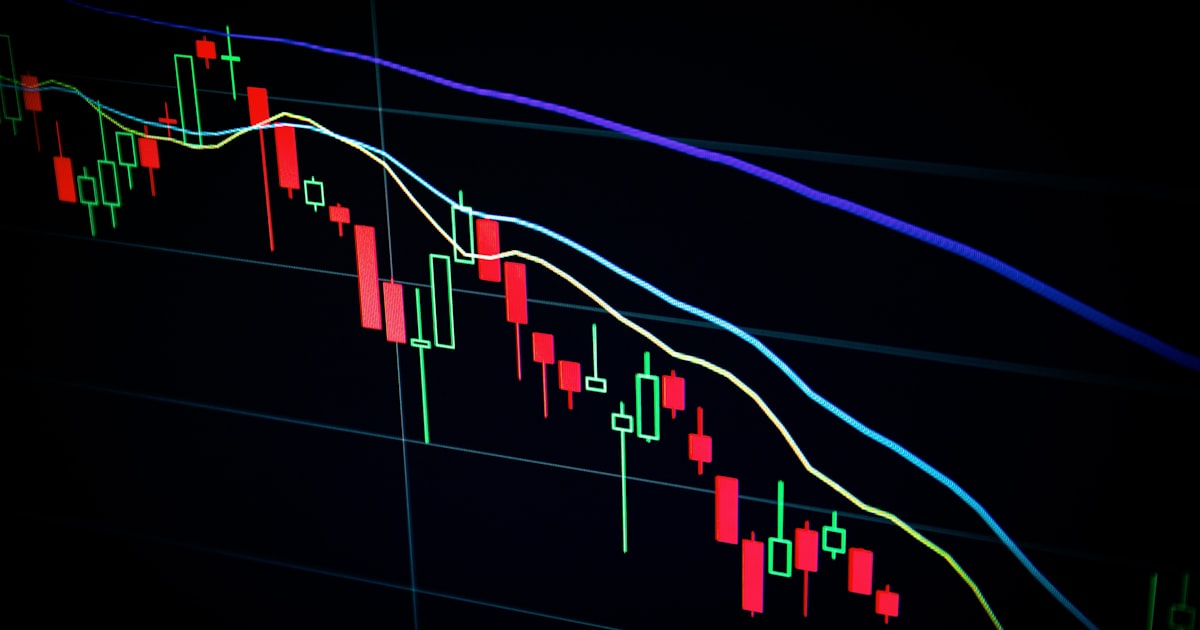
Nike's Stock Stumbles: What You Need to Know
Your retirement account just took a hit. Maybe you didn't notice yet, but if you own Nike stock—directly or through a mutual fund—today matters. According to Motley Fool, Nike shares plunged after the company issued weaker-than-expected guidance and faced multiple analyst downgrades. This isn't some obscure tech startup we're talking about. It's Nike. A company that's been around for decades. A company millions of Americans have invested in.
So why does this matter to you?
When a major company's stock falls like this, it ripples outward. Pension funds take losses. 401(k) portfolios shrink. And investor confidence—that invisible force that keeps markets moving upward—takes a punch to the gut. But this isn't about market chaos or some cyber attack disrupting trading systems today. This is straightforward business trouble.
Let's break down what actually happened.
The Guidance Problem
Nike gave investors new projections about its future earnings. The numbers came in softer than Wall Street expected. That's the kind of thing that makes portfolio managers nervous. When a company tells you it won't grow as fast as you thought, you have to reassess what it's worth. And frankly, the market doesn't wait around when that happens.
But here's what makes this particularly frustrating: the company's also dealing with margin pressure.
Margins are the difference between what Nike takes in and what it actually keeps as profit. If you're selling shoes for $100 and it costs you $40 to make them, you've got a $60 margin. Squeeze that down to $50, and suddenly you're not making as much money. That's where Nike's headed, apparently. Manufacturing costs, supply chain hiccups, competitive pressure—it all adds up.
When Analysts Start Bailing
Multiple analyst downgrades on the same day.
That's the real signal. These are the professionals who study companies for a living, and they're all reaching the same conclusion at roughly the same time: Nike's turnaround is going to take longer than previously expected. Some investors were betting on a quick recovery. Those bets just got a whole lot riskier.
It's worth asking: what changed? Did Nike suddenly become a worse company between yesterday and today? Not really. The company's challenges were probably simmering for a while. But now they're real enough that the financial world is paying attention.
What This Means for Your Portfolio
If you own Nike, you're down today. That stings. But here's what matters more: do you believe in the company's long-term prospects? Because one bad day—or even one bad quarter—doesn't necessarily mean the stock won't recover.
That said, there's a difference between a temporary dip and a structural problem. When multiple analysts downgrade simultaneously, you're probably looking at the latter. The turnaround timeline got pushed back. Profitability will be harder to achieve. These aren't trivial issues.
Check your portfolio allocation. If Nike represents 5% of your holdings and you can afford to hold through the uncertainty, you might sit tight. If it's 15% and you're nervous, it might be time to rebalance. The key is making a deliberate choice based on your actual financial situation—not panic-selling because the headlines look grim.
And no, there's no cyber attack disrupting markets today. This is just regular old capitalism doing what it does: rewarding companies that execute and punishing those that don't.