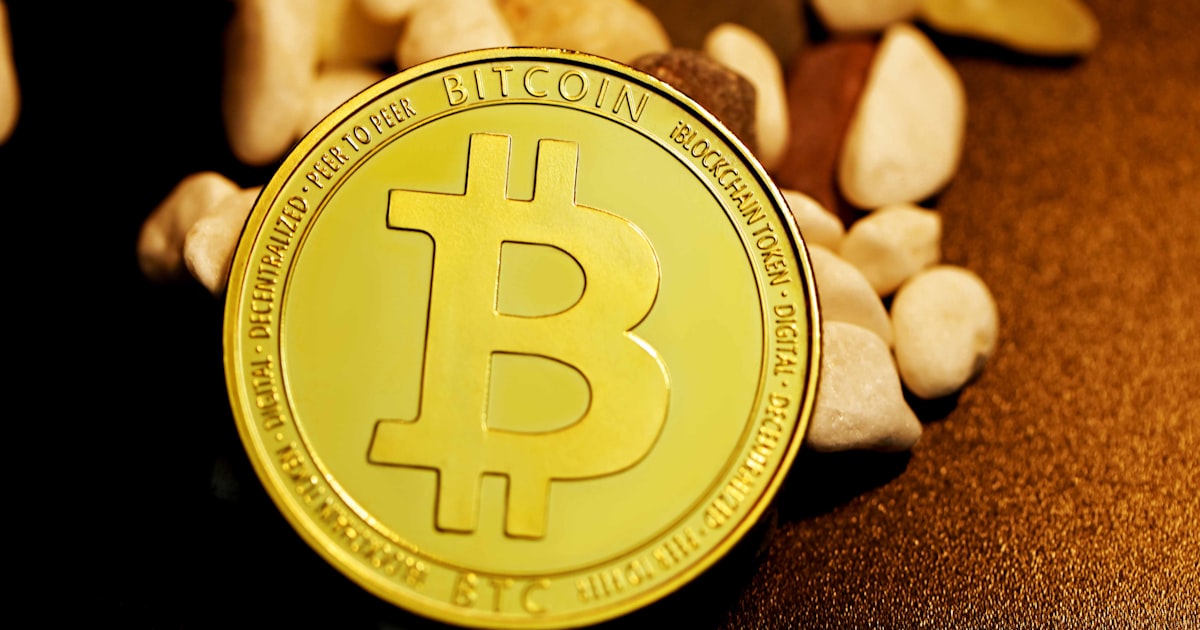
Morgan Stanley's Bitcoin ETF Just Changed the Game—Here's Why You Should Care
Bitcoin just got a lot more accessible. And not in the way you might think.
Morgan Stanley, one of the world's largest investment banks, is launching a Bitcoin ETF this Wednesday with a 0.14% fee. For those who don't spend their days obsessing over cryptocurrency, that basically means: you can now own Bitcoin through your regular brokerage account, and you'll pay less to do it than almost anyone else charging for the privilege.
So why does this matter?
For years, Bitcoin lived in this weird financial limbo. It wasn't quite legitimate enough for traditional banks, but it wasn't fringe enough to ignore. Institutional investors—the pension funds, endowments, and wealth managers that control trillions—couldn't easily justify holding it. The infrastructure didn't exist. The regulatory path wasn't clear. The costs were astronomical.
Now it does. It is. And they aren't.
According to CoinTelegraph, Morgan Stanley's 0.14% fee positions this ETF as the cheapest option currently available. That's not a trivial detail. When you're managing billions in assets, a fee difference of even 0.05% translates to millions of dollars annually. Lower fees mean more money stays in your pocket instead of going to Wall Street middlemen.
And here's what makes this genuinely significant: Morgan Stanley isn't some scrappy fintech startup. This is a firm with roughly $50 trillion in assets under administration. Its biggest clients include Fortune 500 companies, sovereign wealth funds, and institutions whose names you'd recognize immediately. When Morgan Stanley validates a product, institutional money pays attention.
The real question is whether this opens the floodgates or closes them.
Bitcoin's price has always swung wildly. Partly that's because of speculation. But it's also because the market remains illiquid relative to its size—there aren't enough institutional buyers and sellers to absorb large trades without moving the needle dramatically. A major player like Morgan Stanley entering the space, bringing their infrastructure and client base, fundamentally changes those dynamics.
But there's something else happening beneath the surface worth examining.
As crypto products move into traditional finance, they also move into traditional finance's security infrastructure. And that's where things get complicated. Financial institutions face constant, sophisticated cyberattacks. Morgan Stanley's cyber security team—reportedly led by dedicated leadership and staffed with specialists commanding six-figure salaries—works around the clock protecting client data and assets. The firm even runs cyber security apprenticeships and internship programs, recruiting top talent to defend against threats.
This matters because Bitcoin ETFs are honeypots for hackers. The value concentration is enormous. Any vulnerability—whether in Morgan Stanley's systems, the custody arrangements, or the trading infrastructure—could become catastrophically expensive.
The company has documented experience defending against serious threats. But expanding into crypto means expanding the attack surface. Morgan Stanley's cyber security analysts will need to understand not just traditional banking threats but the unique vulnerabilities of blockchain technology and digital asset custody.
Here's what you should actually do with this information.
If you've been curious about Bitcoin but intimidated by the process of actually buying it—navigating sketchy exchanges, managing digital wallets, worrying about hacks—this ETF represents a genuine onramp. You can buy it through your regular investment account, just like any other fund.
But don't mistake easier access for guaranteed safety. Lower fees are good. Institutional backing is good. Neither eliminates Bitcoin's fundamental volatility or the risks inherent in any speculative asset.
Wednesday's launch isn't a signal that you should suddenly go all-in on crypto. It's a signal that the financial establishment has finally figured out how to make money facilitating access to it. That's worth understanding, even if you never buy a single share.