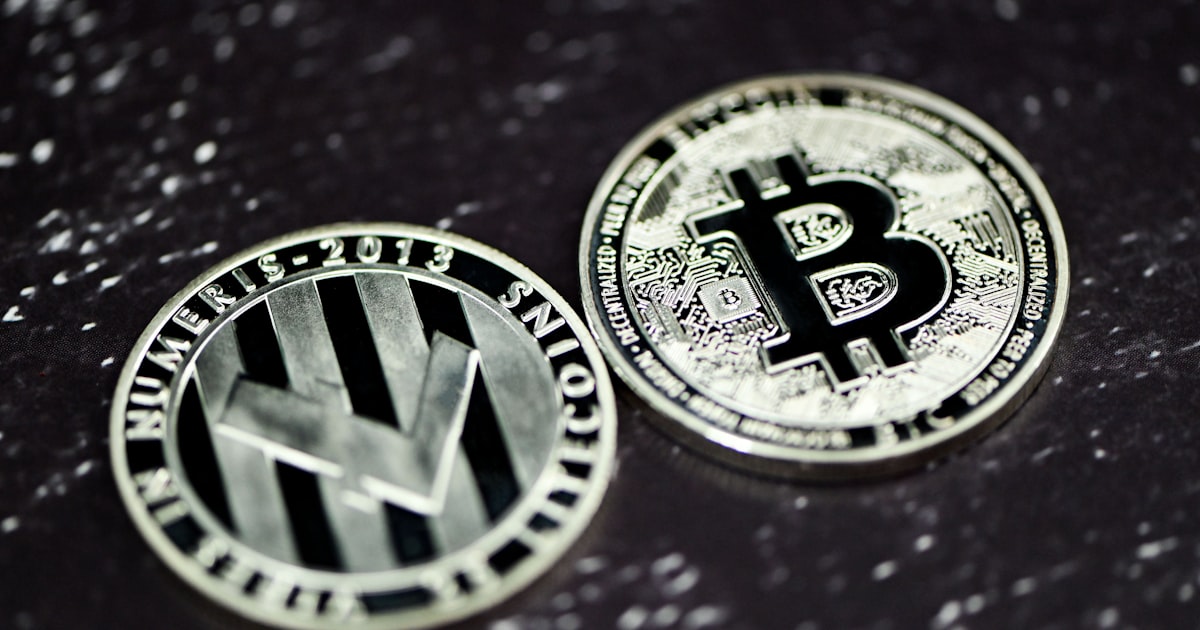
A Chip ETF Just Became the Hottest Thing Since Bitcoin
Forget about crypto crazes for a moment. According to CNBC, there's a new investment sensation taking over, and it's got nothing to do with blockchain. Roundhill Investment's Memory ETF—ticker symbol DRAM—just pulled in $1 billion in a single day. That's not hyperbole. That's real money flowing into semiconductor memory stocks at a pace that rivals the frenzy we saw during the bitcoin-mania days.
The fund launched on April 2, 2026. Six weeks later, it's already sitting above $5 billion in assets. So why does this matter? Because when this much capital moves this fast into a single sector, it tells you something important about where smart money thinks the future lies.
Why Memory Chips? Why Now?
Here's the simple version: artificial intelligence needs memory.
Every large language model, every AI inference happening in real-time, every data center running machine learning models—they all depend on semiconductor memory chips to function. DRAM (dynamic random-access memory) is the stuff that holds information while your computer's actively processing it. And right now, the demand for memory chips is exploding because the demand for AI is exploding.
Investors aren't betting on memory chips as some nostalgic play on legacy tech. They're betting on them as essential infrastructure for the AI revolution. When you're building data centers to power ChatGPT competitors or enterprise AI solutions, memory isn't optional. It's foundational.
This is particularly interesting because while everyone's been fixating on AI chip giants like Nvidia, the memory sector has been quietly undervalued. DRAM offers exposure to companies that are just as critical to AI infrastructure but haven't gotten the same media attention.
The Broader ETF Landscape
Now, DRAM's surge does raise a question worth considering. If investors are this hungry for specialized sector exposure, what other niches are ripe for the same kind of institutional interest?
The cybersecurity space offers an intriguing parallel. Just as memory chips are foundational to AI infrastructure, cybersecurity is foundational to everything digital. Options like the iShares Cybersecurity ETF, BlackRock Cybersecurity ETF, and WisdomTree Cybersecurity ETF have been quietly building assets as corporate breaches and cyber attacks become more frequent and costly. These funds track companies making money off security infrastructure—preventing the very attacks that could cripple AI systems, cloud networks, and enterprise operations.
There's also the ETF cyber security ETF space expanding globally. European investors have access to specialized offerings through borsa italiana and euro-denominated cyber security ETFs. Morningstar data shows these cybersecurity plays have been steady performers, though they haven't seen the viral growth DRAM is experiencing right now.
The real question is whether cybersecurity ETFs deserve the same kind of attention. After all, every dollar spent on AI infrastructure needs to be protected. You can't run a secure data center without addressing cyber threats.
What This Means for You
If you're considering sector-specific ETFs right now, the DRAM surge teaches a practical lesson: sometimes the infrastructure plays outpace the headline plays.
The stocks powering DRAM aren't household names. You're not buying consumer-facing AI products. You're buying the equipment that makes those products possible. And sometimes, that's where the real money accumulates.
But here's the caution: when an ETF gains $1 billion in a single day, you're seeing both genuine demand and potential momentum-chasing. Make sure you understand what you're buying. Memory chip demand is real. But so is the risk that this particular trend moves too fast.
For diversification-minded investors, exposure to both AI infrastructure (via DRAM or similar funds) and the cybersecurity ETFs protecting that infrastructure makes structural sense. They're complementary bets on different layers of the same economy.