Irish Police Crack First of 12 Bitcoin Wallets in Historic $418M Drug Seizure
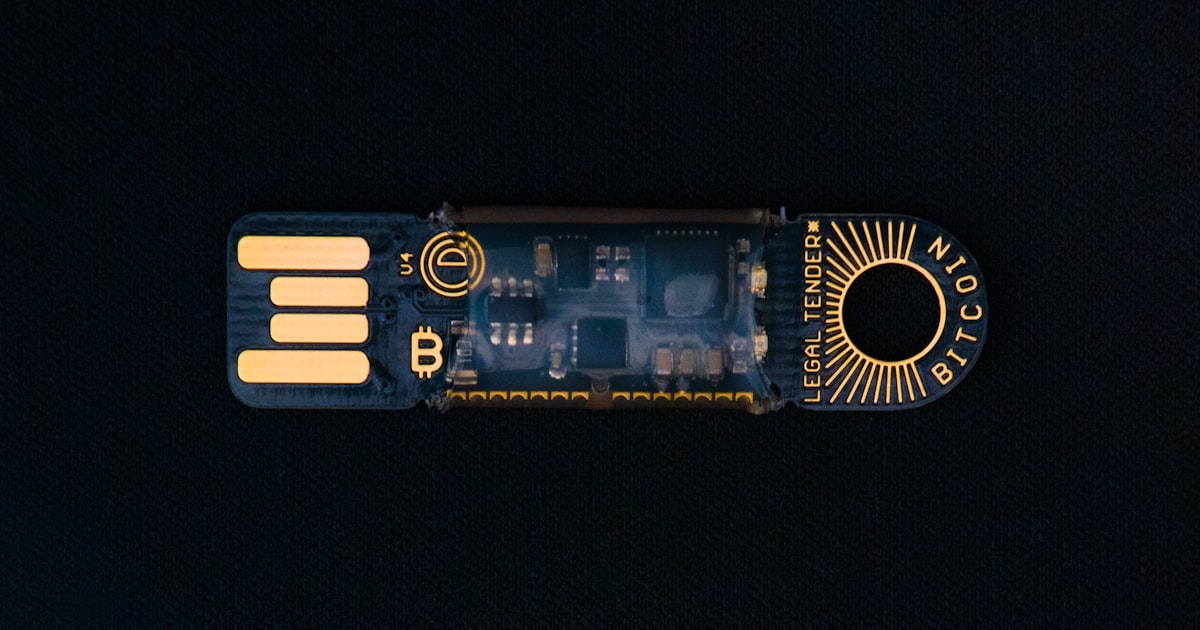
Irish authorities have done something remarkable. They've cracked into the first of 12 Bitcoin wallets holding 500 BTC—roughly $34 million—seized during a sprawling drug investigation. According to Decrypt, this represents a watershed moment for law enforcement agencies worldwide struggling to recover and manage digital assets tied to criminal operations.
The bigger picture? A $418 million total seizure. That number alone signals how deep organized crime has embedded itself into cryptocurrency ecosystems.
But here's what makes this development genuinely significant: for years, seized cryptocurrency sat in digital vaults collecting dust because authorities simply didn't have the technical expertise to access it. Wallets locked behind sophisticated encryption or hardware security measures remained tantalizingly out of reach. Now that's changing.
The financial math here deserves attention. Five hundred Bitcoin represents serious money, but it's also just one wallet among twelve still waiting. If the remaining eleven contain similar amounts, we're potentially looking at more than $400 million in recovered digital assets—though the actual distribution could vary dramatically. This is the kind of aggregate value that actually moves markets when liquidated.
And then it got complicated.
There's a crucial distinction worth making: cracking a wallet and spending its contents are two entirely different things. Irish authorities demonstrating they can access these funds doesn't automatically mean they can convert them to fiat currency without triggering regulatory red flags. Most legitimate exchanges maintain compliance protocols specifically designed to catch large suspicious transfers. Government agencies have begun working with regulated custodians to handle these sales, but the process remains cumbersome.
So why does this matter for the broader crypto ecosystem? Because it exposes something uncomfortable about bitcoin wallet security that the industry doesn't love discussing publicly. When law enforcement can eventually crack into seized wallets, it raises uncomfortable questions about the vulnerabilities embedded in even sophisticated crypto wallet security systems. The forensic techniques remain classified, naturally, but the mere fact they succeeded suggests no wallet is permanently impenetrable to determined, well-funded investigators.
This isn't a condemnation of blockchain technology itself. Bitcoin's distributed ledger design remains cryptographically sound. Rather, it's an acknowledgment that crypto wallet vulnerability often stems from human factors—weak passphrases, poor key management, flawed backup procedures. Cyber resilience in the crypto space depends less on the underlying protocol and more on implementation details that most users handle carelessly.
The historical precedent is thin here. Most major Bitcoin seizures have involved cooperating defendants who voluntarily provided access credentials. The Irish case appears different—law enforcement achieved access through investigative means, not voluntary surrender. This is the kind of operational success that gets replicated and refined.
What happens next will reveal whether governments intend to weaponize this capability. Do they develop standardized cryptocurrency forensics units across agencies? Do they share methodologies with international partners? Or do they keep techniques compartmentalized for competitive advantage?
The market implications appear muted for now, but patient observers should watch how the remaining eleven wallets get handled. A coordinated liquidation of several hundred Bitcoin could exert meaningful downward pressure, particularly if executed over compressed timeframes. Conversely, if authorities space out sales strategically, they might actually minimize market impact while maximizing recovered value.
Here's the uncomfortable truth: criminals who thought their digital hoards were permanently secure just learned otherwise. That realization will reshape how organized crime manages seized assets going forward. Some will abandon cryptocurrency entirely for old-fashioned methods. Others will implement even more aggressive security measures. Either way, this Irish seizure just became mandatory reading in law enforcement academies worldwide.