Iran's Cryptocurrency Gambit: What Happens When Oil Meets Bitcoin
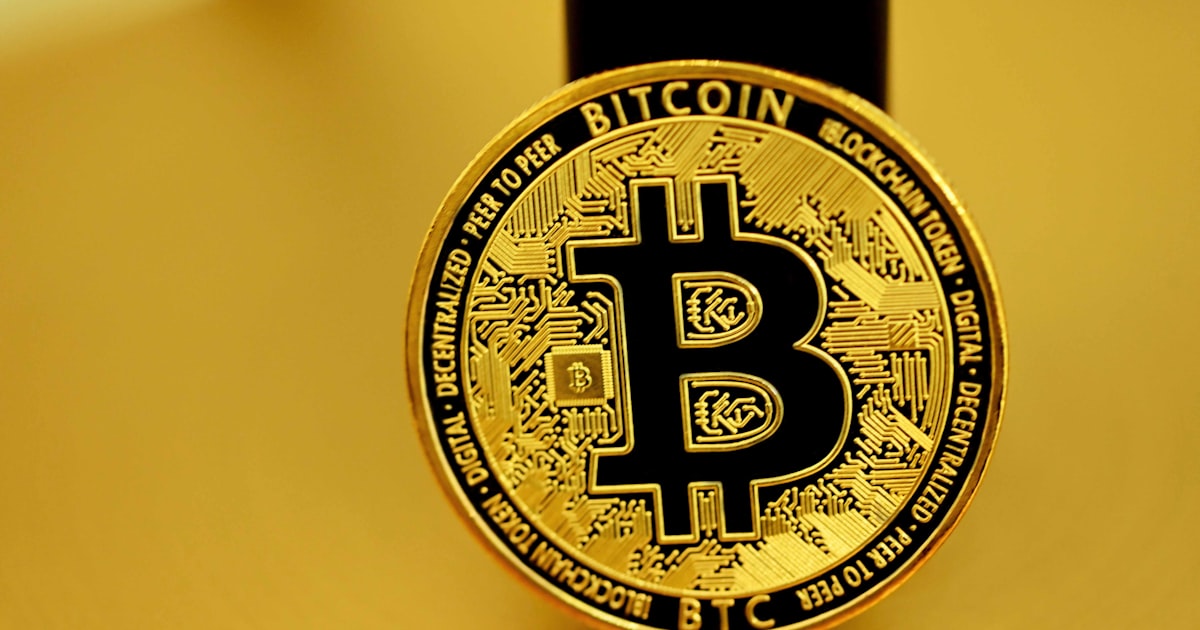
Your gas prices might be about to get weird. Not immediately. But potentially. CoinTelegraph reported that Iran is weighing an unusual proposal: charging ships that transit the Strait of Hormuz in Bitcoin, at roughly $1 per barrel of oil passing through. This isn't some fringe blockchain experiment happening in a startup garage. This is a geopolitical power play involving one of the world's most critical chokepoints for global energy.
So why does this matter to you?
About one-third of all seaborne oil trades through the Strait of Hormuz. One-third. That's roughly 21 million barrels daily flowing through a waterway just 21 miles wide at its narrowest point. When something happens there, it ripples through every economy on Earth. Higher tolls mean higher shipping costs, which means higher prices at the pump, which means more of your paycheck goes to fuel instead of literally anything else.
But the geopolitical angle here is darker.
Iran's proposal—tied to a potential US-Iran deal under discussion—represents something we haven't really seen before: cryptocurrency entering serious international negotiations at the state level. This isn't a central bank quietly buying Bitcoin. This is a country trying to use digital currency as a tool to bypass traditional financial sanctions and Western-controlled payment systems like SWIFT.
And that's when the security conversation gets complicated.
The Strait of Hormuz vulnerability runs deeper than just political tension. There's a cyber dimension nobody's discussing enough. Iran has demonstrated significant cyber attack capabilities for years, particularly against critical infrastructure. The real question is: would a cryptocurrency-based toll system actually be more secure than traditional shipping mechanisms, or does it introduce entirely new attack vectors?
Security vulnerability types in blockchain systems include 51% attacks, smart contract exploits, and exchange vulnerabilities. But here's what keeps security experts up at night: how long do cyber attacks last when they target payment infrastructure? Some attacks linger for months before detection. The signs of cyber attack aren't always obvious—delayed transactions, price discrepancies, unusual wallet activity. By the time you notice, weeks might've passed.
The stages of cyber attack typically follow a pattern: reconnaissance, initial access, persistence, escalation, lateral movement, exfiltration, and impact. In a blockchain toll system operating at chokepoint scale, a successful attack could disrupt the entire global oil supply chain.
Which brings us to Iran nuclear facilities vulnerability and the broader picture. Reports of iran cyber attacks on industrial systems and critical infrastructure suggest Tehran has both motive and capability to weaponize digital systems. Whether Iran's most powerful weapon is kinetic or cyber, they've proven willing to use it. The question isn't whether they could attack their own cryptocurrency system—it's whether others could.
So what does this mean practically?
If this deal goes through, shipping companies would need entirely new operational protocols. Cryptocurrency exchanges couldn't operate like they do now—they'd need military-grade security architecture. And the global oil market would face unprecedented volatility as Bitcoin fluctuations directly impact commodity prices.
Here's the actionable takeaway: watch how traditional finance responds. If major central banks and shipping regulators allow this arrangement, we're looking at a fundamental shift in how geopolitical leverage works. If they block it, Iran's cryptocurrency experiment stays marginal. Either way, this signals that crypto isn't just technology anymore—it's foreign policy.