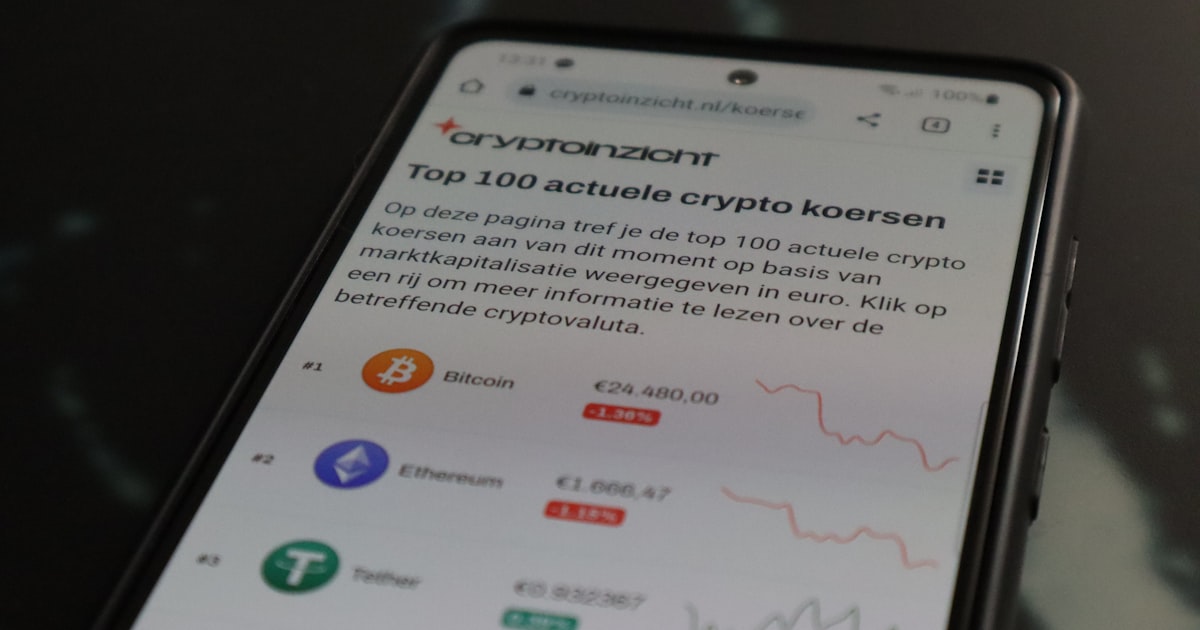
Iran's Potential Bitcoin Oil Tolls Send Shockwaves Through Crypto Markets
Bitcoin dropped 2.3% on the news. Ethereum followed suit. And within hours, crypto analysts were furiously combing through blockchain data looking for evidence of what CoinTelegraph first reported: Iran might be accepting cryptocurrency payments for oil tanker tolls transiting through the Strait of Hormuz.
This isn't just geopolitical theater. It's a concrete test of whether blockchain technology can facilitate sanctions evasion at scale.
Galaxy Digital executives immediately mobilized their monitoring infrastructure, hunting for telltale transaction patterns that might reveal Iranian involvement. The goal: track whether BTC actually flows through cryptocurrency channels as a workaround to traditional banking restrictions. What they find could reshape how regulators view the entire sector.
So why does this matter for your portfolio?
Because it crystallizes a fundamental tension in crypto adoption. Bitcoin's decentralized ledger makes it theoretically useful for countries facing international sanctions. But that same transparency—the entire point of blockchain technology—also means activity leaves traces. Every transaction is recorded. Every wallet is theoretically trackable.
Here's where it gets complicated. While the blockchain itself remains secure in terms of basic cryptography, this scenario exposes a different kind of vulnerability. Not a bitcoin code vulnerability or bitcoin security vulnerability in the traditional sense, but something murkier: the geopolitical weaponization of the technology. If Iran successfully uses crypto to bypass SWIFT restrictions, expect Western governments to push for stronger anti-crypto regulations. And frankly, that pressure could hit market valuations harder than any bitcoin vulnerability github commit ever could.
The cybersecurity angle matters too. Authoritarian regimes handling large crypto flows create targets. Bitcoin cyber crime directed at state-level actors, or conversely, state-sponsored attacks on crypto infrastructure to disrupt sanctions evasion, could trigger cascading market moves. There's also the longer-term question of whether quantum computing threats—the bitcoin quantum vulnerability proposal crowd keeps warning about—become more urgent if governments feel threatened by crypto's role in geopolitical finance.
And then there's the institutional reaction.
Major asset managers have been quietly accumulating Bitcoin exposure as inflation hedges. This Iran situation forces them to reassess. Does exposure to potential sanctions-busting activity create compliance nightmares? Some funds may liquidate positions just to avoid the regulatory scrutiny.
CoinTelegraph's reporting includes Galaxy Digital's blockchain surveillance efforts, which raises another question: if private firms can monitor these transactions effectively, why can't governments? The real implication is that crypto adoption for state-level sanctions evasion might be harder than Iran hopes. Unless they're using privacy coins like Monero, their activity will show up eventually.
The crypto market's 2.3% dip reflects this uncertainty. Traders don't know yet whether to price in regulatory crackdowns or whether this is just noise that'll blow over. Mid-cap altcoins got hit harder than Bitcoin—typically a sign that risk-off sentiment is spreading beyond BTC holders.
If you're holding crypto, watch three things closely. First, regulatory statements from the U.S. Treasury and EU officials over the next two weeks. Second, blockchain analysis firms' public reports on actual transaction flows. Third, whether major institutional investors start trimming positions. That third signal, if it materializes, would be the canary in the coal mine.
The harder question nobody's asking: what does Iran's apparent comfort with Bitcoin tell us about the currency's actual adoption trajectory? If state actors feel confident enough to test it, maybe the technology's past its inflection point—for better or worse.