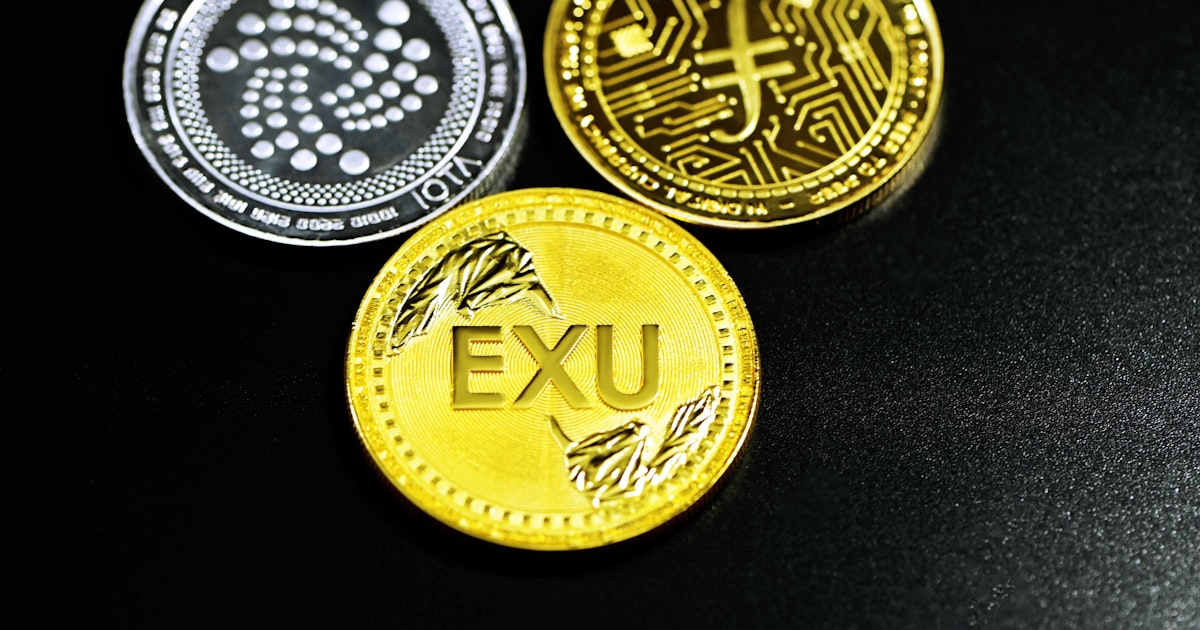
Exodus Just Made Bitcoin Spending Frictionless—Here's Why Markets Care
Exodus rolled out something quietly revolutionary this week. According to Decrypt, the cryptocurrency wallet provider launched 'Exodus Pay,' a feature that lets users spend digital assets straight from their self-custodial wallet without converting to fiat first. The market barely flinched. But it should have.
That's because this isn't just a feature update.
For years, crypto's biggest problem wasn't security or volatility—it was utility. You could hodl Bitcoin. You could trade Ethereum on seventeen different exchanges. But actually spending your cryptocurrency on a coffee? That required three apps, two wallets, and a minor miracle. Most people just didn't bother. They left their crypto sitting idle, which defeated the entire purpose of having it in the first place.
Exodus Pay changes that equation. The feature bridges the gap between self-custody—where you control your own private keys, which frankly is the only way serious investors should hold crypto—and real-world spending. No middle man. No handing your assets to some exchange to convert them. Just direct payment from your wallet to merchants who accept it.
So why does this matter for portfolios?
Adoption. When crypto becomes spendable without friction, adoption accelerates. And adoption is the one variable that historically drives asset prices. Bitcoin didn't climb from $100 to $40,000 because of better sentiment alone. It climbed because more people could actually use it for something. More wallets meant more transactions. More transactions meant more network effect. More network effect meant higher valuations.
Exodus controls roughly 1.5 million active wallets. That's not huge compared to MetaMask or Coinbase Wallet, but it's respectable. And here's what matters: these are users who've already demonstrated they care about self-custody. They're not the casino traders. They're the keepers. The builders. The people who actually use crypto instead of trading it like a penny stock.
And if they start spending it?
The ripple effect compounds. Merchants add crypto payment rails. Those rails attract more users. More users attract more developers. More developers build more applications. That's not hype. That's how infrastructure actually works.
But let's be honest about the friction points still ahead. Regulatory uncertainty remains nasty. Tax reporting for every transaction becomes a nightmare—Exodus Pay users are going to generate thousands of taxable events annually just from daily spending. And merchant adoption is still glacial outside a handful of crypto-friendly retailers. You still can't pay for gas or groceries with Exodus Pay in most places.
The real question is whether this feature prevents users from cashing out to fiat in the first place. If Exodus Pay becomes the default payment method for crypto holders, that's meaningful. It keeps assets in the ecosystem longer. It extends the holding period, which historically supports price stability and reduces the volatility spikes caused by constant buying and selling.
For your portfolio? This is a quiet bullish signal for mid-tier wallets and payment infrastructure plays. It's not the headline-grabbing news that moves markets overnight. But it's exactly the kind of plumbing work that builds lasting adoption. Markets tend to reward that eventually, even if they don't recognize it immediately.
Watch whether Exodus announces merchant partnerships in the coming months. That's your signal this is real rather than theoretical.