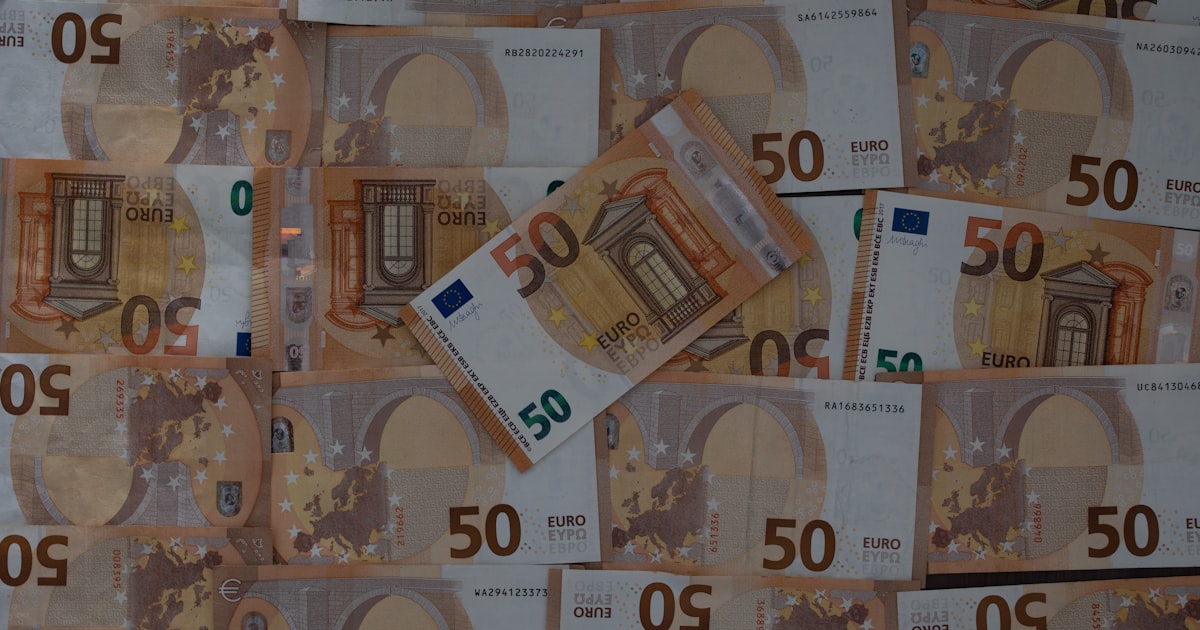
Euro Stablecoins Surge to Dominate Non-Dollar Markets
The cryptocurrency market just witnessed a seismic shift. According to a Visa-backed report cited by CoinTelegraph, euro stablecoins have captured over 80% of the non-dollar stablecoin market. That's a stunning concentration. And it reflects something deeper than just investor preference—it's about regulatory frameworks, infrastructure, and the real mechanics of how digital money moves across borders.
EURC is leading the charge in trading volumes. But here's what makes this genuinely significant: it's not happening in a vacuum.
The European Union's Markets in Crypto-Assets Regulation (MiCA) framework has created something traditional finance never quite managed—a unified, clear rulebook for stablecoins across an entire economic bloc. Launched in 2023, MiCA established reserve requirements, issuer authorizations, and consumer protections that gave euro stablecoins legitimate legitimacy. When regulators actually define the rules instead of banning things outright, adoption tends to follow.
Add payment system integrations into that mix.
European banks and fintech platforms have been threading euro stablecoins into their existing infrastructure. That's the difference between something being technically possible and something being practically useful. A trader in Frankfurt can move euros digitally with the same confidence they'd have with traditional wire transfers, but faster and cheaper.
So why does this matter beyond the crypto community? The real question is whether this signals a broader shift away from dollar dominance in digital finance. For decades, the U.S. dollar's hegemony in global payments seemed unshakeable. But stablecoins operating on blockchain networks don't care about SWIFT messaging or correspondent banking relationships. They care about code and liquidity.
Historical precedent suggests caution here. We've seen alternatives to dollar dominance emerge before—the Euro itself, in traditional markets, never quite achieved parity as a reserve currency. But stablecoins operate differently. They're programmable, borderless, and settlement-final in hours rather than days.
The implications for cross-border payments are substantial. Imagine a logistics company moving goods from Poland to Spain. Today, that transaction involves currency conversion fees, banking delays, and middlemen taking cuts. With euro stablecoins, settlement becomes near-instantaneous. Scale that across millions of transactions monthly.
CoinTelegraph's reporting highlights something important about market structure too.
The concentration—80% for euro stablecoins—actually suggests healthy market development rather than stagnation. Investors and platforms gravitated toward what worked: clear regulation, established infrastructure, and genuine utility. It's not like someone forced them to use EURC. They chose it because the alternatives were either murky or impractical.
But there's a wrinkle.
This dominance only covers the non-dollar space. Dollar stablecoins—USDC, USDT, and others—still control the broader market. That's why some observers remain skeptical that euros are genuinely challenging dollar supremacy. They're winning in their lane, not taking over the highway.
What's worth watching is whether traditional finance responds. If major U.S. banks start integrating euro stablecoins alongside dollar alternatives, that'd signal genuine competitive pressure. Right now, it's more like Europe found a better mousetrap in their own backyard.
The next critical moment arrives when these stablecoins move beyond intra-European trading. Can EURC and its competitors become the default choice for payment corridors between Europe and Asia? Between Europe and Africa? That's where the structural change becomes permanent.
For now, the market has spoken. Euro stablecoins work. Regulation works. Integration works. Everything else is about scale.