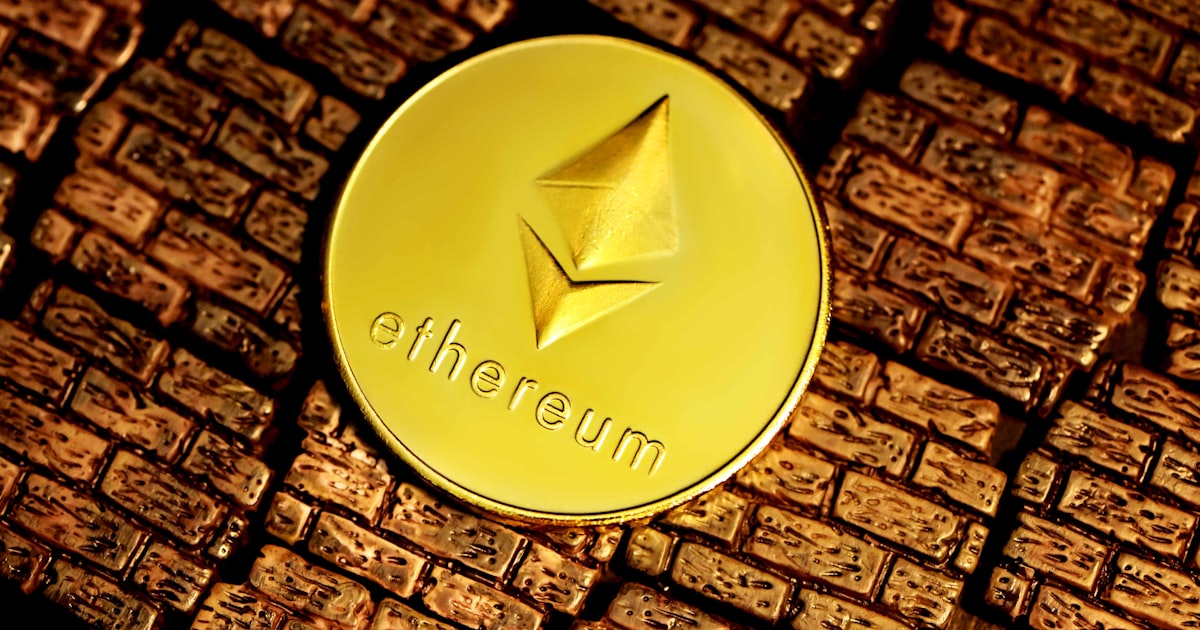
Ethereum Holders Are Finally Back in the Black
Ethereum just crossed a threshold that matters a lot to the millions holding the asset. According to CoinTelegraph, ETH has recovered to profitability levels for investors, and technical analysts are eyeing a potential surge toward the $3,000 resistance level. This isn't just another price tick. It's a significant moment for the ethereum blockchain ecosystem and everyone with skin in the game.
The recovery represents more than just bulls getting lucky. There's real momentum building.
So why does this matter? Because profitability changes behavior. When your portfolio turns green after months in the red, you start thinking differently about risk, about holding, about the next move. For institutional investors and retail traders alike, this psychological shift can drive substantial trading volume and fuel the rally that analysts are projecting.
What the Technical Picture Actually Shows
CoinTelegraph reported that the price movement reflects solid technical foundations. The $3,000 target isn't arbitrary—it's derived from resistance levels, trend analysis, and the broader patterns that have shaped ethereum's price history over recent months. But here's the thing: technical analysis works best when it lines up with fundamentals, and right now there's a disconnect worth examining.
Ethereum's value proposition hasn't fundamentally changed in the last few weeks.
Yet the price recovered anyway. That's because markets run on sentiment and positioning, not just utility. When holders see green candles, they hold longer. When momentum builds, new money enters. And when new money enters, prices can run further than anyone initially predicted.
The Bitcoin vs. Ethereum Question Gets Louder
Every bitcoin vs ethereum comparison resurfaces when one of them makes a major move. And there's a legitimate debate here. Bitcoin remains the store of value play—digital gold with a fixed supply. Ethereum is the infrastructure layer, the blockchain that powers everything from DeFi protocols to NFT markets. They're solving different problems. They're not really competitors, though the market sometimes treats them that way.
For portfolio managers deciding between the two, this ETH recovery is a reminder that ethereum's technical foundation matters tremendously.
But there's something else investors should be thinking about that doesn't get enough attention: security. And I don't just mean price volatility.
The Security Problem Nobody's Discussing Enough
While we're celebrating price recoveries, there's a deeper concern lurking in the crypto infrastructure space. Email attacks in cyber security have become vectors for compromising high-value accounts and exchange credentials. That's dangerous enough in traditional finance. In crypto, it's catastrophic.
The ethereum blockchain itself is engineered with solid cryptographic foundations.
But the ecosystem around it—the wallets, exchanges, and custodians—that's where vulnerabilities live. This is where ETH cyber security matters critically. Organizations handling ethereum need to think beyond the code. ETH vulnerability isn't just about smart contract bugs anymore. It's about operational security, employee training, and defending against sophisticated social engineering campaigns that target the humans managing the systems.
Consider what's happening at major institutions. Universities like ETH Zurich with their cyber security masters and cyber security MSc programs are studying these exact problems. The ETH cyber security group and specialized ETH cyber security PhD researchers are working on authentication mechanisms and threat detection systems. But adoption lags behind the research.
That gap is dangerous.
What This Means for Your Portfolio Right Now
ETH's recovery to profitability is real. The technical setup toward $3,000 looks credible based on CoinTelegraph's analysis. But don't let price momentum blind you to operational risk. If you're holding ethereum or planning to add to your position, understand how it's stored and who controls it. Email compromise is still the leading cause of crypto theft at institutional levels. Your exchange uses two-factor authentication? Good. But it's not enough anymore.
The real question is whether you're taking security as seriously as you're watching the price chart.
Because recovering to profitability only matters if you can keep what you've gained.