A Billion Dollars Just Left Crypto. Here's Why It Matters to You.
When institutional investors start pulling money out of cryptocurrency, it sends a signal. And according to CoinTelegraph, that's exactly what happened recently—$1 billion in outflows from crypto investment funds. But this isn't just abstract Wall Street drama. If you're thinking about crypto, or you already own some, this shift in institutional sentiment affects the environment you're investing in.
So why does this happen? Geopolitical tensions are a major culprit. Rising concerns about Iran have spooked risk-averse investors across multiple asset classes, and crypto—already viewed as risky—gets hit particularly hard when fear spreads.
Inflation worries compound the problem.
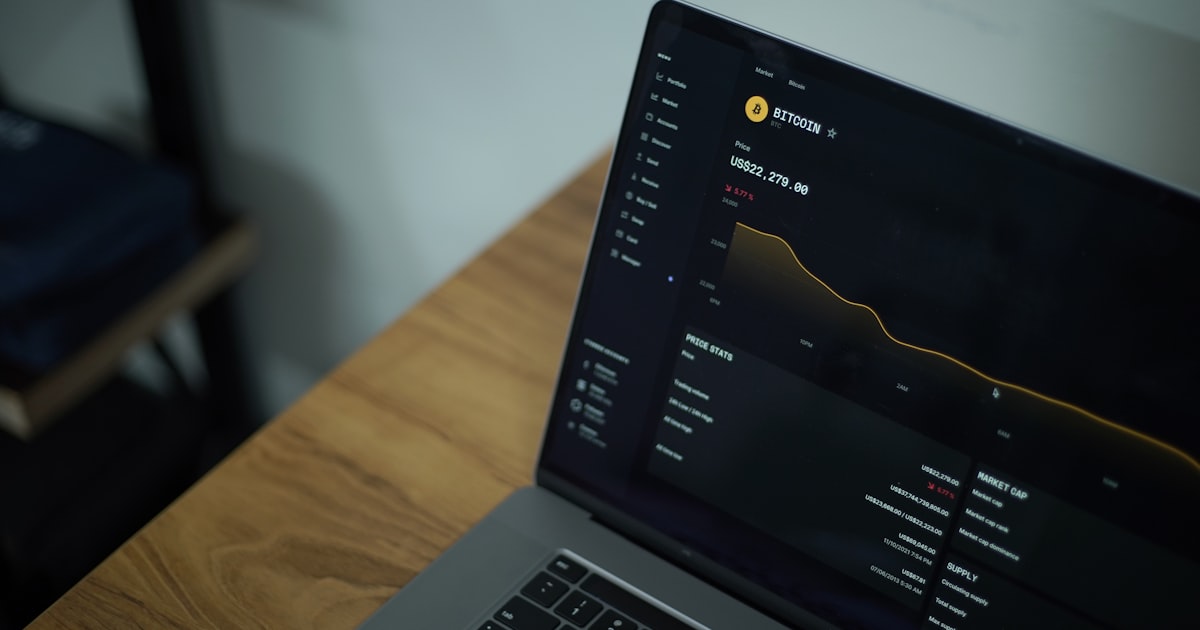
When people worry the Federal Reserve will keep rates higher for longer, they flee to safer assets. They don't buy Bitcoin. They don't buy Ether. They sell. The crypto bitcoin price today reflects exactly this kind of thinking—when risk-off sentiment dominates, even the largest cryptocurrencies take it on the chin.
Which Crypto Got Hit, and Which Didn't
Here's where it gets interesting. Bitcoin and Ether—the two largest cryptocurrencies by market cap—saw capital withdrawals, CoinTelegraph reported. That's the headline most outlets will focus on. But the real story is what happened next. Alternative cryptocurrencies like XRP and Solana continued attracting inflows.
What does that tell us?
It suggests institutional investors aren't abandoning crypto entirely. They're rotating. They're moving away from the largest, most established players and toward smaller bets. That's a risk-on move hidden inside a risk-off narrative. Some funds genuinely believe smaller altcoins offer better risk-adjusted returns right now, even as headlines scream about geopolitical danger.
The crypto bitcoin price fluctuations we see during these moments reflect real decisions by real money managers.
Security Vulnerabilities Nobody's Talking About
But there's another layer here. While everyone watches the geopolitical news cycle, fewer people pay attention to the technical vulnerabilities that could actually threaten their holdings. And that's a mistake.
Blockchain vulnerability assessment has become increasingly important as crypto assets grow larger. We're not just talking theoretical weaknesses anymore. Blockchain cyber attacks are happening. They're getting more sophisticated. And frankly, the industry's defenses don't always keep pace.
Then there's the quantum computer problem.
Blockchain vulnerability to quantum computers represents an existential risk that most retail investors don't even know about. Quantum computing could theoretically break the cryptographic keys that secure blockchain networks. It's not an immediate threat—we're probably years away from quantum computers powerful enough to matter. But it's coming, and the blockchain community is only beginning to grapple with how to prepare.
There's also something more immediate: android crypto vulnerability. Mobile wallet security has been a persistent weak point. Malicious apps, phishing attacks, social engineering—these aren't new problems, but they're evolving faster than most security updates can handle.
What You Should Actually Do
If you hold crypto, this moment demands clarity, not panic.
First: understand what you own. Are you holding Bitcoin and Ether because you believe in the technology long-term? Or are you chasing performance? The answer determines whether you should care about short-term outflows.
Second: security is non-negotiable now. Don't store significant amounts on exchanges. Use hardware wallets. Enable multi-factor authentication on everything. Update your devices regularly. The crypto bitcoin price might fluctuate daily, but a compromised private key is permanent.
Third: diversification within crypto isn't a substitute for diversification across asset classes. The fact that some altcoins are still attracting capital doesn't mean they're safe. If you're taking money out of Bitcoin to buy Solana, you're not reducing risk—you're changing it.
The $1 billion outflow CoinTelegraph documented isn't the end of anything. It's institutional investors recalibrating. Some will return when fear subsides. Others won't. The question for you is simpler: Are you prepared for either scenario?