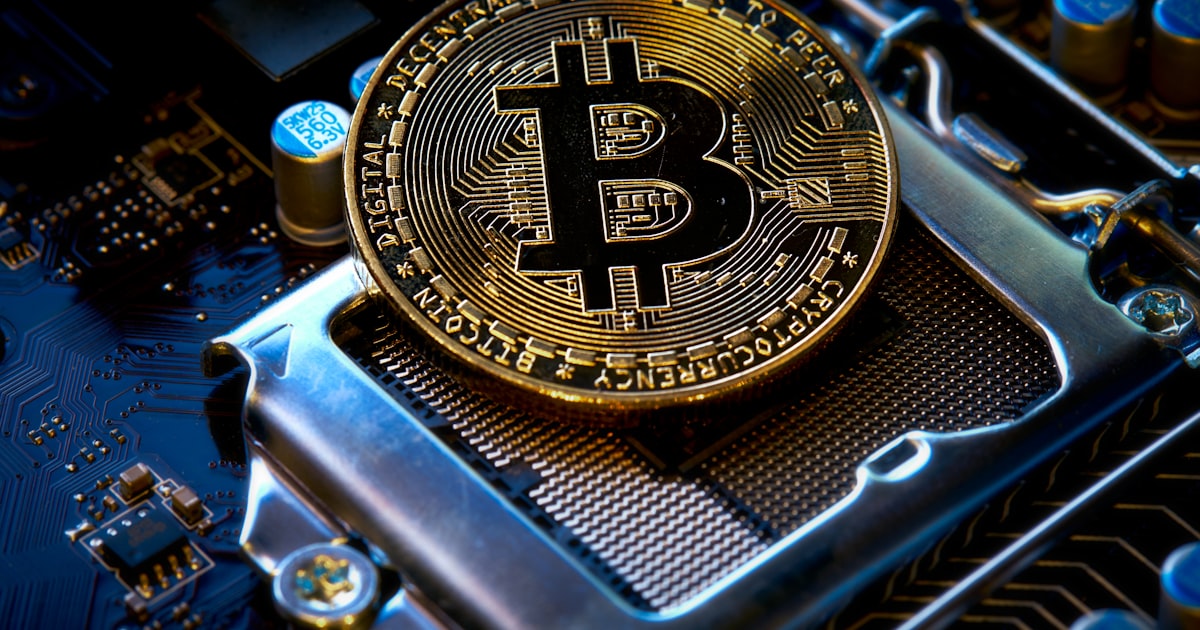
Coinbase Bridges Crypto and Mortgages: Bitcoin Now Accepted for Home Down Payments
Coinbase just made a move that would've sounded absurd five years ago. The cryptocurrency exchange partnered with Better Home & Finance to let borrowers use Bitcoin or USDC as collateral for down payments on Fannie Mae-backed mortgages. This isn't some fringe experiment—it's a legitimate fintech innovation that directly challenges how we think about real estate finance in an increasingly digital economy.
According to CoinTelegraph, the structure allows borrowers to pledge crypto assets without liquidating them. Instead of converting digital holdings to dollars upfront, buyers can lock their Bitcoin or USDC as collateral while traditional mortgage underwriting proceeds. The implications ripple across multiple sectors at once.
So why does this matter?
Because it collapses two massive asset classes that traditionally operated in completely separate universes. Real estate finance moves at glacial speed—centuries of regulation, risk assessment, and institutional conservatism have built walls around how mortgages work. Cryptocurrency, meanwhile, operates on 24/7 trading cycles with volatility that'd terrify most underwriters. Bridging them is genuinely ambitious.
The financial engineering here is clever. Rather than force crypto holders to sell their positions (triggering capital gains taxes and locking in market timing), Fannie Mae effectively accepts the collateral pledge as equivalent to a traditional down payment. It's a workaround that respects both the regulatory requirements of mortgage lending and the economic realities of crypto investors who don't want to exit their positions.
And there's a real addressable market here.
Consider the crypto investor who accumulated Bitcoin over several years, watched it appreciate, but can't stomach selling because of tax consequences. They're sitting on substantial net worth that traditional lenders completely ignore. Now they can access that equity without liquidation. It's particularly clever because it targets exactly the demographic most likely to have crypto wealth without traditional liquidity.
But this announcement also arrives at a moment when Coinbase's security practices deserve scrutiny. The exchange has faced multiple challenges—CoinTelegraph and Reddit discussions have flagged previous security concerns, and the 2025 crypto landscape included several high-profile incidents that shook confidence in exchange infrastructure. If borrowers are pledging Bitcoin as mortgage collateral, the security chain becomes a financial critical asset.
Which raises an uncomfortable question: Is Coinbase's infrastructure secure enough to serve as the backbone for mortgage-backed assets?
This isn't theoretical paranoia. A breach affecting pledged collateral could create cascading defaults across mortgage portfolios. That's not just a Coinbase problem—it's a Fannie Mae problem. It's a systemic finance problem. The exchange reportedly invests in cyber security infrastructure, and positions for cyber security jobs suggest internal awareness of the stakes. But awareness isn't the same as bulletproof systems.
The regulatory implications cut deeper still. Fannie Mae's involvement means government-backed mortgage entities are now exposed to crypto volatility. If Bitcoin drops 40% overnight, does the collateral still cover the down payment obligation? How are margin calls handled? These operational details will determine whether this becomes a durable financial product or a cautionary tale.
The precedent matters too. If this works—genuinely works, with reasonable default rates and stable performance—then other institutions will follow. Banks will develop similar programs. The entire mortgage industry could gradually shift toward accepting tokenized collateral. That's a fundamental restructuring of how real estate finance operates.
Frankly, it's too early to declare this revolutionary. But it's also too clever to ignore. Watch the first six months of performance data closely. That's when you'll know if this is genuine innovation or expensive theater.