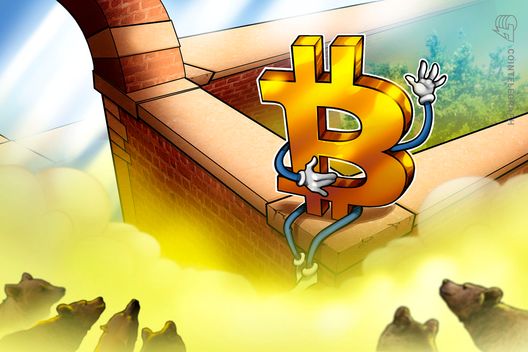
Bitcoin Surges Past $72K—But Is This Rally Built to Last?
Bitcoin just crossed $72,000. That's a milestone. And for traders who bet the price would fall—those holding short positions—it turned into a bloodbath. According to CoinTelegraph, roughly $280 million in shorts got liquidated in the aftermath of a US-Iran ceasefire announcement. But here's the thing that keeps analysts up at night: the real question is whether this surge represents genuine market confidence or just a temporary relief rally that'll collapse once the geopolitical dust settles.
So why does this matter if you don't trade crypto? Because Bitcoin's price swings ripple through the broader financial ecosystem. Institutional investors, pension funds, and fintech platforms now hold Bitcoin. When volatility spikes like this, it affects borrowing costs, market sentiment, and the decisions people make about their own investments.
The ceasefire announcement triggered what traders call a "risk-on" environment.
Basically, when geopolitical tensions ease, investors get braver. They move money out of safe havens and into riskier assets. Bitcoin, being volatile and decentralized, benefits when fear recedes. The liquidations happened because leveraged traders betting on a price decline got forcibly closed out by their brokers—a cascade effect that pushes prices even higher.
But CoinTelegraph's analysis raises a crucial problem: bearish traders haven't actually closed most of their positions yet. They're just getting squeezed. Think of it like holding your breath underwater—you can only do it so long before you have to surface.
Here's where it gets complicated.
Bitcoin itself remains mathematically sound. The blockchain continues functioning exactly as designed. There's no bitcoin blockchain vulnerability or bitcoin code vulnerability that suddenly appeared overnight. But—and this matters—the market structure around Bitcoin has gotten fragile. We've got leverage stacked on leverage, positions that exist only because of algorithmic trading bots, and sentiment that can flip on a single news cycle.
And then there's the longer-term security question nobody's really discussing right now. Bitcoin's resistance to quantum computing attacks remains a legitimate area of research in the crypto community, with some developers proposing what's called a bitcoin quantum vulnerability proposal to prepare for future threats. Most of this work happens on bitcoin core repositories and GitHub discussions among developers. For everyday Bitcoin holders, these aren't immediate concerns—but they're the kind of bitcoin security vulnerability issues that matter five or ten years down the line.
The cyber crime angle is more immediate.
As Bitcoin prices spike, hackers intensify their efforts. Bitcoin cyber security breaches and bitcoin cyber crime ring attempts follow big rallies like clockwork. Exchanges get targeted. Wallets get compromised. The infrastructure protecting your holdings isn't always as bulletproof as the protocol itself.
So what happens next?
If the ceasefire holds and geopolitical tensions stay low, this rally might actually stick. That could push Bitcoin even higher. But if tensions flare up again—or if those short-squeezed traders finally manage to close their positions—you could see a sharp correction. The volatility doesn't care about your conviction level.
The actionable takeaway here is simple: if you're holding Bitcoin, understand what you're holding. It's not a stable investment right now. It's a volatile asset whose price moves based on leverage, sentiment, and headlines. Don't put money into Bitcoin you can't afford to lose. And if you're considering buying because of this rally, ask yourself whether you're buying because of fundamentals or because everyone else is buying. The difference matters.