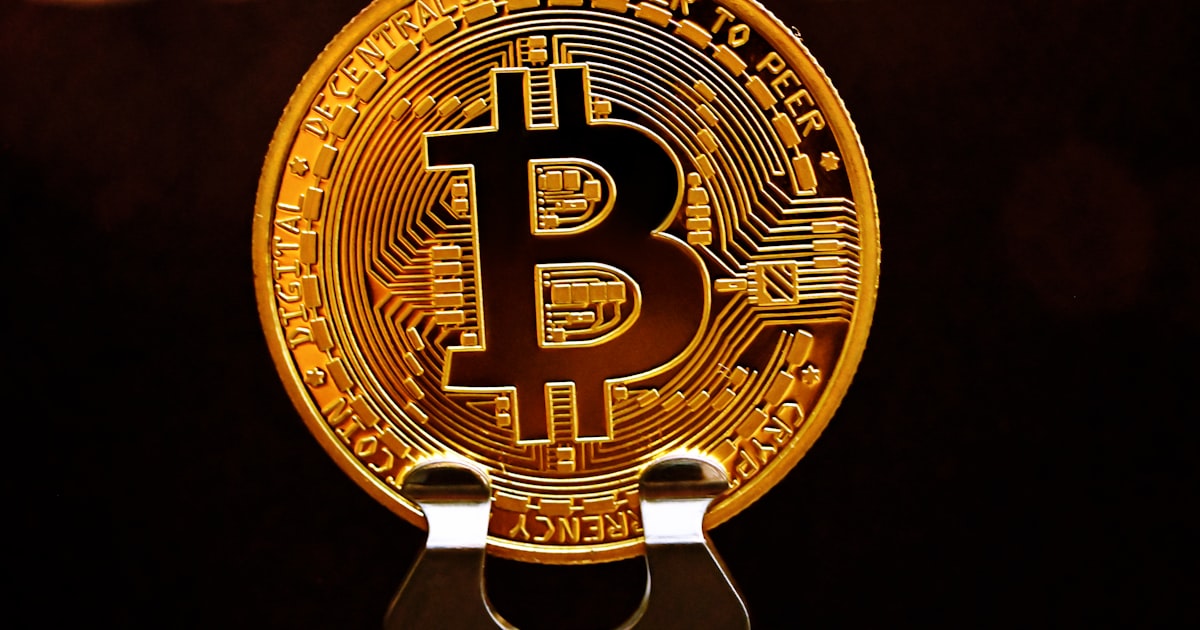
Bitcoin Tops $71,000 as Trump Postpones Iran Power Plant Strike Plans
Bitcoin just broke past $71,000. According to Decrypt, the surge followed reports that Trump postponed planned strikes on Iranian power plants and signaled renewed diplomatic progress in Middle East negotiations. It's the kind of price movement that tells you something bigger is happening beneath the surface—and in this case, it's geopolitical risk unwinding in real time.
So why does a potential military strike matter for cryptocurrency valuations? When geopolitical tensions spike, investors flee to safe havens. They sell stocks, dump riskier assets, and hoard cash or gold. Bitcoin, despite its volatility, increasingly functions as a hedge against traditional market chaos and currency devaluation. Conversely, when tensions ease—when diplomacy appears to be working—risk appetite returns. Money flows back into growth assets. And crypto benefits.
The timing is instructive here.
Over the past two weeks, Bitcoin had been range-bound between $68,000 and $70,500, caught between hawkish inflation signals and Fed uncertainty. The geopolitical overhang was keeping traders cautious. Every headline about Iranian retaliation or military posturing seemed to suppress upward momentum. But the moment Trump signaled restraint, the selling pressure evaporated. That's not coincidence. That's market structure.
There's a broader vulnerability at play that doesn't get enough attention, though. Cryptocurrency markets remain deeply sensitive to headline risk. Unlike traditional assets backed by decades of institutional frameworks, crypto pricing reflects raw sentiment. The biggest cyber attacks against exchanges have historically triggered panic selling worse than any military news. Can bitcoin be hacked? Not directly—but the infrastructure around it certainly can. A major exchange breach or security failure would crater confidence faster than any geopolitical event.
And then there's the regulatory angle Trump will inevitably influence.
Trump crypto regulations remain unclear, but his postponement of aggressive military action suggests a more measured posture overall. That could extend to the digital asset space. His previous stance on cryptocurrency was mixed—sometimes dismissive, sometimes transactional. The real question is whether a Trump administration focused on diplomatic solutions will also take a softer line on crypto innovation versus control. Top crypto cyber security standards will become crucial if regulatory frameworks tighten.
What's particularly nasty because—and frankly, this should concern policymakers more—is the vulnerability created by mixing geopolitical decision-making with asset class valuations. When military strategy directly impacts whether people invest in Bitcoin, you've created a system where authoritarian risk becomes financial risk. Trump's vulnerability to criticism on foreign policy could easily translate to market volatility if he reverses course on Iran policy.
Here's what traders should watch: Bitcoin above $71,000 now needs to hold above $70,300 support to signal this isn't just a relief rally. If diplomatic talks actually advance, expect Bitcoin to test $73,000-$74,000 levels as risk appetite fully normalizes. But if tensions flare again—if there's any military escalation—we could see a sharp pullback to $68,000.
The broader lesson isn't about predicting geopolitics. It's recognizing that crypto markets haven't matured enough to be independent of them. Until Bitcoin develops the institutional depth that makes it immune to headline shock, traders treating it as a volatility play rather than a long-term store of value are making the right call.