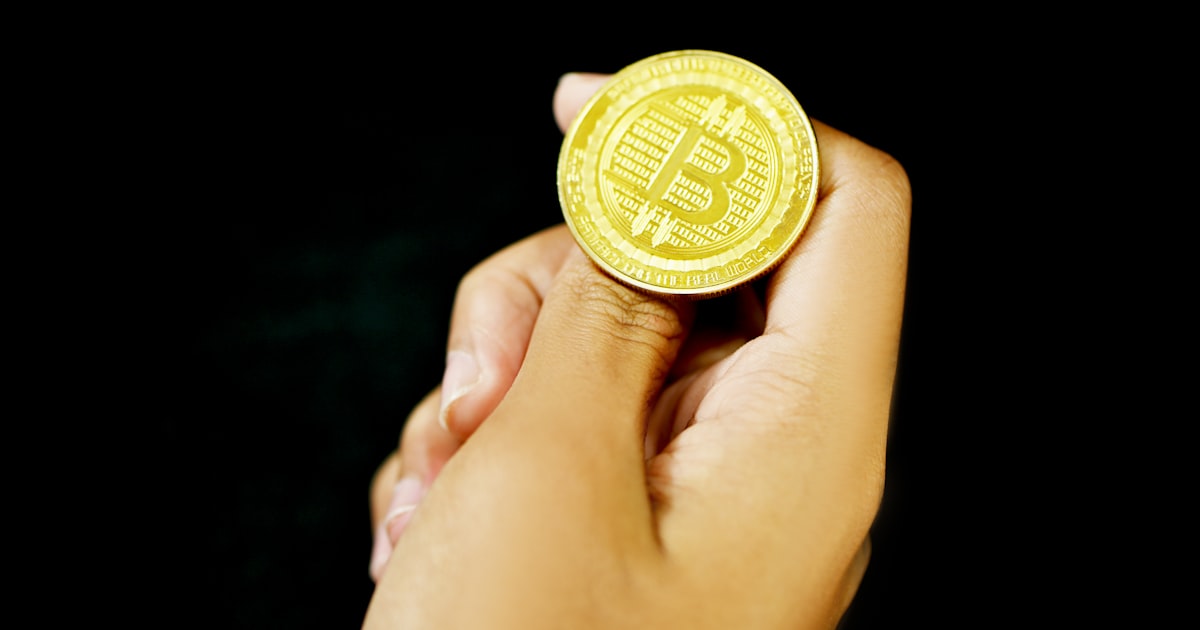
Bitcoin Breaks $71K: Here's Why You Should Care
Bitcoin just crossed $71,000. If you don't own any crypto, you might wonder: so what? Fair question. But here's the thing—when Bitcoin moves this dramatically, it reverberates through financial markets in ways that eventually touch regular people. Stock portfolios shift. Tech companies' valuations adjust. Financial institutions recalibrate their risk strategies. And if you've got money anywhere near the markets, you're connected to this story whether you realize it or not.
According to Decrypt, this surge didn't happen in a vacuum. Two specific forces pushed Bitcoin higher: positioning resets in the derivatives market and liquidity dynamics that suddenly shifted in crypto's favor.
What Actually Happened Here
Let's break down the jargon. Positioning resets are when traders who've been betting against Bitcoin (shorting it) get forced to buy back their positions at losses. This creates a feedback loop—the price goes up, shorts panic, they buy to cover, and the price climbs even more. That's the mechanical part.
The liquidity dynamics piece is trickier. Basically, there's suddenly more money flowing into Bitcoin markets, and less friction in moving that money around. When liquidity improves, prices tend to move faster and higher.
But here's where geopolitics enters the chat.
Middle East tensions have a way of spooking traditional investors. When people get nervous about stocks and bonds, some of them rotate into alternative assets like Bitcoin. It's not rational necessarily—it's fear-driven. And fear moves markets faster than almost anything else.
The Real Question
Can this rally actually last? That's what matters to anyone thinking about getting involved.
Historically, Bitcoin rallies driven by short squeezes and positioning resets are fragile. They look impressive on the charts. But they often collapse just as quickly when the mechanical factors that created them reverse. And Decrypt's reporting suggests we're looking at exactly that kind of setup—dramatic but potentially unstable.
Geopolitical tension, though? That's stickier. If Middle East risks persist, capital will keep flowing toward alternative assets. That provides some foundation under the price.
And then it got complicated.
Here's what nobody can predict: how long will geopolitical headlines stay scary? How many shorts are left to liquidate? Will institutional money actually stay committed or just pass through on the way to other investments?
What You Should Actually Do
If you're sitting on the sidelines: don't chase this move. Bitcoin at $71,000 after a sharp rally is the opposite of a bargain. The time to buy Bitcoin is when people are depressed about it, not when it's making headlines.
If you already own Bitcoin: this isn't a signal to sell everything, but it might be a decent time to trim positions if you've been riding this upswing. Lock in some gains. You don't need to be a hero.
If you're a trader: understand that liquidity can vanish fast. The conditions that exist today—easy money flows, panic shorts—can flip in hours. Risk management isn't optional.
The news cycle will move on. Middle East tensions will either escalate or de-escalate. Traders will either make or lose their shirts. But the fundamentals—whether Bitcoin is actually useful, whether it'll become mainstream currency—those questions don't change based on a $71,000 price tag.
Watch for the next few days of trading. If Bitcoin holds above $70,000 with volume declining, it might actually stick. If volume explodes upward and it keeps climbing toward $75,000? That's probably shorts getting liquidated, and it's fragile. The second scenario looks more dramatic, but it's also more likely to end badly for people buying near the top.