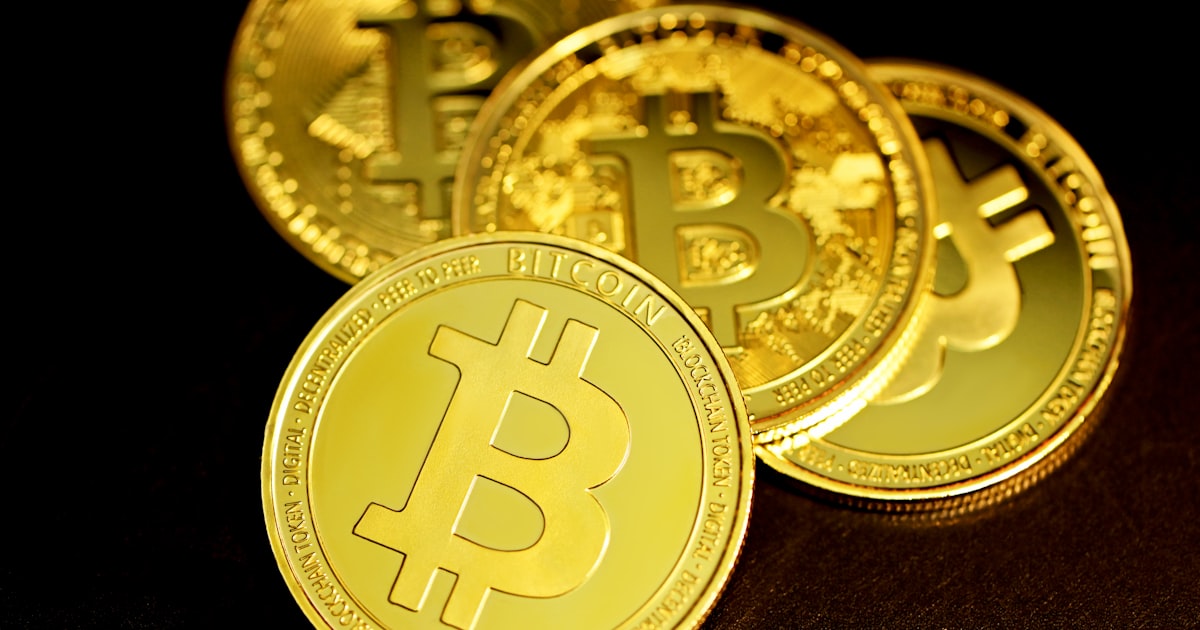
Bitcoin Pushes Higher as Macro Tests Loom
Bitcoin's climbing again. According to Decrypt's latest reporting, the cryptocurrency is rallying even as broader markets face serious headwinds—equities and gold are both under pressure, yet Bitcoin keeps grinding upward. That's unusual. And it raises a fundamental question: what's actually driving this move, and does it tell us anything about what's coming next?
The timing matters here. We're entering a crucial economic period, one where major macroeconomic data points will shape everything from interest rate expectations to currency valuations. Geopolitical tensions are simultaneously reshaping how different asset classes behave relative to each other. Traditionally, Bitcoin and gold move in tandem during risk-off periods—both are seen as havens when confidence in traditional markets erodes. But that correlation is breaking down.
Look, this is particularly revealing because Bitcoin's outperformance suggests investors are treating crypto differently than they did even a year ago.
Historical precedent here is limited but instructive. During 2020's pandemic shock, Bitcoin initially crashed with everything else before decoupling and soaring—a pattern that took markets by surprise. We saw similar dynamics in 2022 when traditional assets tanked but Bitcoin's relative weakness compared to equities suggested it wasn't serving its traditional haven role. This current move is different. The asset isn't crashing while equities hold firm. Instead, it's strengthening during a period of broader equity weakness, which points toward either institutional accumulation or a genuine shift in how the market perceives crypto's role in volatile environments.
The geopolitical angle can't be ignored.
When tensions spike internationally, currency volatility increases and central banks face harder policy choices. That environment historically benefits assets perceived as outside the traditional financial system. Bitcoin fits that description perfectly. And if geopolitical risks are genuinely escalating rather than proving temporary, you could see sustained demand for uncorrelated assets—the kind of thing that keeps Bitcoin bid even when stocks are struggling.
So why does this matter for your portfolio? Because asset correlations are how diversification works. If everything moves together during stress, diversification fails. But if Bitcoin genuinely decorrelates from equities and gold during these macro test periods, it changes how investors should think about positioning. A small Bitcoin allocation suddenly looks less like speculation and more like insurance—the kind of thing that actually pays out when you need it.
That said, there's real risk here too.
None of this proves anything about Bitcoin's long-term value. What we're seeing in March 2026 could be a temporary repricing based on day-to-day sentiment shifts rather than any fundamental change in how markets work. The upcoming macro tests—whether that's earnings reports, economic data, or central bank decisions—could easily reverse this pattern. Bitcoin could fall alongside everything else once reality sets in.
But that's the tension right now.
Decrypt reported this as a notable crypto market move tied to macroeconomic conditions, and that's exactly right. The news here isn't that Bitcoin went up—it's that it went up for different reasons than it usually does. That's the signal worth watching as we head into whatever comes next.